Excessive consumption of red meat is not good for blood sugar management. For those in the prediabetes stage who are concerned about blood sugar, it is more important to be cautious about certain foods and drinks consumed together with beef rather than the beef itself.
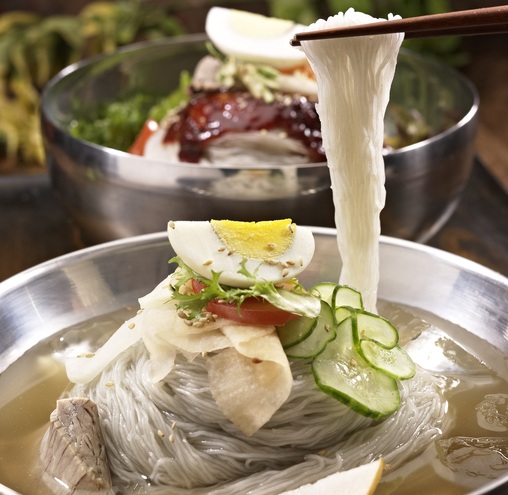
Recent research shows that adults in the prediabetes stage can consume 170-200g of beef daily without significant short-term issues with blood sugar and insulin levels. A typical serving of beef in many restaurants is 150g. However, refined carbohydrates and carbonated drinks commonly consumed with beef, such as bibimbap and cold noodles, have been revealed as the main culprits causing deadly blood sugar spikes. A blood sugar spike is a symptom where blood sugar levels suddenly rise sharply.
A research team from Indiana University in the United States conducted a clinical trial over 28 days with adults in the prediabetes stage at high risk for type 2 diabetes, yielding these surprising results. Participants consumed 170-200g of beef daily, yet there were no significant negative changes in pancreatic beta-cell function or insulin sensitivity.
This challenges the common belief that beef, which falls under red meat, can be a direct cause of diabetes. It also suggests that consuming beef appropriately within a healthy diet can actually provide high-quality protein.
However, this study was conducted over a short period and only involved adults in the prediabetes stage, and there is insufficient evidence to apply the same findings to patients already diagnosed with diabetes. Additionally, further research is needed on the long-term effects of consumption.
This research result (Effects of Diets Containing Beef Compared with Poultry on Pancreatic β-Cell Function and Other Cardiometabolic Health Indicators in Males and Females with Prediabetes: A Randomized, Crossover Trial) was recently published in the international journal 《Current Developments in Nutrition》 and was introduced by the American Association for the Advancement of Science portal 'Eureka Alert'.
According to the Korean Diabetes Association, the population in Korea with prediabetes is estimated to be about 14 to 16 million, while the number of diabetes patients exceeds 6 million. The problem lies in the unique dessert carbohydrate culture of Koreans. Cold noodles and bibimbap, which are often sought after as a palate cleanser or dessert after eating beef, are foods with a very high proportion of 'refined carbohydrates'. Refined carbohydrates are in a state where nutrients are stripped away during the processing of grains, leaving only starch, which can increase the speed of digestion and absorption, leading to blood sugar spikes, referred to as 'empty shell carbohydrates'.
In particular, the noodles in cold noodles have a high starch content, leading to rapid digestion and absorption, and the broth often contains a significant amount of sugar for flavor. When cold broth and high concentrations of sugar combine, it affects the rate of gastric emptying while allowing for rapid sugar absorption, causing blood sugar levels to rise sharply. If one person finishes a whole bowl of cold noodles, blood sugar can rise steeply. If you are concerned about blood sugar levels, it is advisable to order one bowl of cold noodles and share it among two or three people. This is a wise lifestyle choice to reduce the overall sugar load.
The liquid fructose in carbonated drinks consumed together can quickly move to the liver without digestion, potentially causing fatty liver and placing excessive pressure on the pancreas's insulin secretion system. Research from Harvard University indicates that such sugary drinks and diets centered around refined carbohydrates can increase the risk of developing type 2 diabetes by up to 30%.
For Koreans, who tend to have lower insulin secretion abilities than Westerners, a carbohydrate bomb after meals can be a shortcut to diabetes. Patients diagnosed with diabetes need to be particularly cautious even when consuming beef. Diabetic patients not only have reduced insulin secretion abilities but also, if kidney function is compromised due to complications, excessive protein intake can burden the organs.
Diabetic patients should choose lean cuts of beef and opt for boiling rather than grilling when cooking for safety. This is also why many people enjoy boiled beef rather than grilled beef after middle age.
Experts recommend a reverse eating method to safely consume the nutrients in beef. They suggest consuming vegetables first to create a fiber barrier in the intestinal wall and to avoid or significantly reduce the amount of carbohydrate-rich desserts. To avoid the foolishness of negating the benefits of beef consumption with refined carbohydrates, the choice made at the final stage of the meal is of utmost importance.
[Frequently Asked Questions]
Q1. Can cold noodles be worse for blood sugar management than fried rice?
A1. Yes, it is possible. Fried rice is a solid food, but cold noodles often involve drinking a lot of broth that contains sugar and sweeteners. Liquid sugars are absorbed very quickly, causing stronger blood sugar spikes. It is advisable to avoid the broth as much as possible and eat only a small amount of noodles.
Q2. Is it actually effective to share a bowl of cold noodles among several people?
A2. It is a very effective strategy. Blood sugar rises can be influenced not only by the type of carbohydrates but also by the absolute amount consumed. By sharing among 2-3 people to reduce the overall sugar load, the likelihood of our body's insulin system being able to manage blood sugar levels increases significantly.
Q3. Is it correct to drink zero-calorie drinks instead of carbonated drinks after eating meat?
A3. Zero-calorie drinks do not directly raise blood sugar levels as much as regular sugary carbonated drinks. Therefore, they can be a second-best option for diabetic patients. Discussions continue in academia regarding the long-term effects of artificial sweeteners on metabolic health. The best alternatives are carbonated water, plain water, or unsweetened warm teas.