

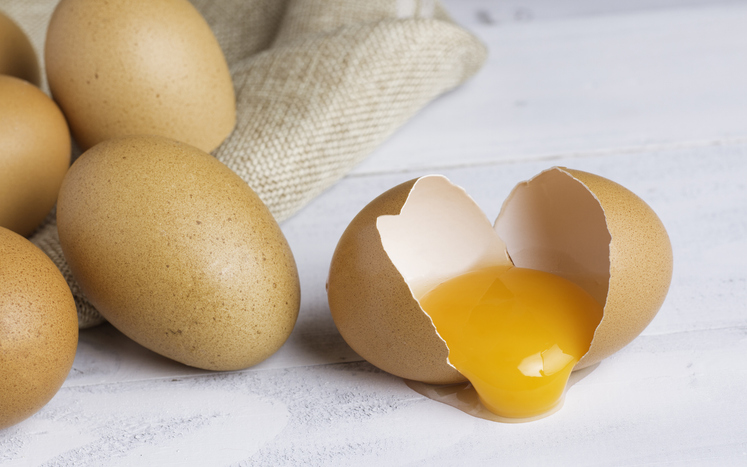
Eggs are a staple ingredient in our daily lives due to their rich nutrition and ease of cooking. People often use only the contents of the egg and discard the shell. However, eggshells are a valuable resource that can be utilized in various ways in daily life. Here are some small tips for using eggs in everyday life.
Eggshells Are Beneficial for Cleaning Narrow-Mouthed Vases
The main component of eggshells is calcium carbonate. Calcium carbonate helps replenish the calcium needed in the soil, making it useful as a natural soil conditioner. After washing the eggshells, crush them finely and mix them into the soil of potted plants to prevent soil acidification. It is important to use thoroughly dried eggshells that have been cleaned for hygiene purposes.
They can also be used as a cleaning aid. After crushing the eggshells finely, add water and detergent to a cup and shake it. The fine friction created helps remove dirt as the shells act as an abrasive. This is especially useful for cleaning containers with narrow openings, such as water bottles or vases, which are difficult to clean.
Eggshells also serve as a natural deodorizer. After washing and drying the eggshells, place them in a small container and put them in places like shoe cabinets or refrigerators to absorb odors. The porous structure of the eggshell allows the surface to absorb odor particles, functioning similarly to charcoal or baking soda.
How to Peel Eggshells Smoothly?
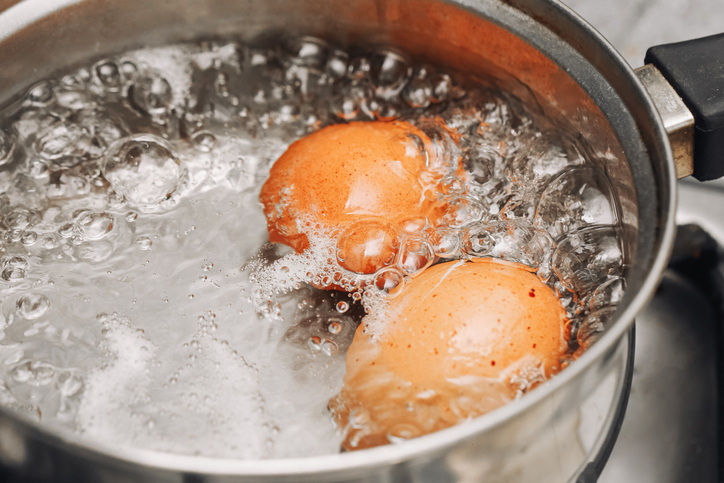
Peeling boiled eggs is essential for consuming the egg white and yolk directly or using them as ingredients. If you peel the shell well, you can present boiled eggs neatly on the table. Additionally, if the shell is easy to peel, it becomes convenient to use in daily life. Let’s explore some useful tips for peeling eggshells.
It is widely known that adding vinegar while boiling eggs helps the shells peel off easily. However, the primary purpose of vinegar is to prevent the egg from leaking into the water if the shell cracks during boiling.
What about adding the eggs when the water is boiling? This method helps the heat quickly coagulate the protein, aiding in the separation of the shell from the egg white, making it easier to peel. Another method is to rinse the eggs immediately in ice water or under running cold water after boiling, which can also help in peeling the shells easily. However, this method may result in the shell sticking to the egg white, depending on how well the egg is cooked, leading to a messy appearance.
If you want a smooth egg, you can use a cup. Pour a little water into a cup and place the boiled egg inside. Cover the opening of the cup with one hand and gently shake the cup. If tiny cracks form on the eggshell, water will seep in between the egg white and the shell. After that, take out the egg and peel the shell off, and it will come off cleanly in one go.











