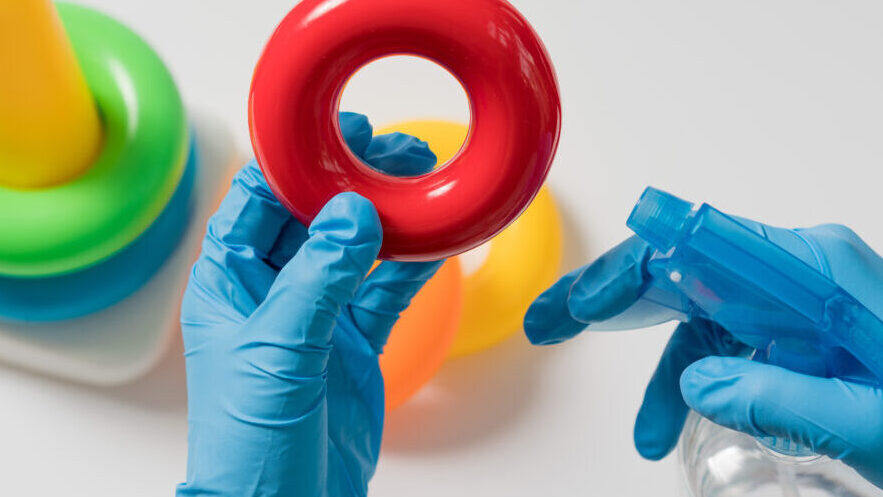
"Spray cutting boards with disinfectant right after cutting raw chicken," or "Use disinfecting wipes on everything if you have a baby." Advice like this is frequently shared among households, but environmental and health experts warn that much of this heavy reliance is unnecessary. When used incorrectly, disinfectants fail to eliminate germs while exposing families to unneeded chemical hazards.
Clean the Grime First, Disinfect Second
Many people spray disinfectant directly onto surfaces covered in grease or food residue and immediately wipe or rinse them clean. However, disinfectants are not designed to remove dirt. Grime and organic matter act as a physical shield, preventing antimicrobial active ingredients from reaching microorganisms beneath.
Alicia McCarthy, a senior researcher at the Toxics Use Reduction Institute (TURI) at the University of Massachusetts, explained that dirt creates a barrier against disinfectants, comparing the act of disinfecting a dirty surface to "mopping a floor covered in bread crumbs without sweeping first."
Furthermore, even on a pre-cleaned surface, spraying and immediately wiping off a disinfectant renders it virtually useless. Heather Tenney, TURI’s director of science and policy, noted that wiping disinfectant off right after application is no different from not using it at all. For a chemical disinfectant to kill pathogens, the surface must remain wet with the solution for a specific contact time—typically between 1 and 10 minutes, as dictated by the product label.
Plain Cleaners Are Enough for Everyday Life
While chemical disinfectants became household staples during the COVID-19 pandemic, experts emphasize that standard cleaning products are sufficient for routine home hygiene.
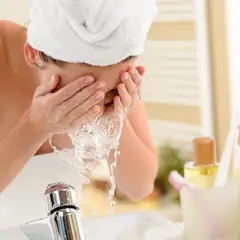
Unless someone in the home is sick with a contagious illness or you are processing raw meat, there is rarely a medical need to sanitize surfaces with chemical disinfectants. Thoroughly scrubbing surfaces with soap and water is generally all that is required. Detergents and soaps disrupt the chemical bonds that allow bacteria and viruses to adhere to surfaces, allowing the microbes to be safely washed down the drain.
Given the potential risks to human health and the environment, experts advise reserving disinfectants for specific, high-risk situations. They also caution that the urge to eradicate all household bacteria often reflects psychological anxiety rather than genuine medical necessity.
Chemical Overuse Poses Health and Reproductive Risks
Indiscriminate disinfectant use carries documented health hazards. Disinfecting wipes and sprays frequently contain quaternary ammonium compounds (QACs), a major class of chemicals of concern. Recent biomonitoring studies have detected QACs broadly across human biological samples, including blood serum, breast milk, urine, and feces.
A decade of cellular and animal research links QAC exposure to systemic inflammation, respiratory complications, and immune system disruption. Studies in mice have demonstrated sharp drops in fertility and increased rates of fetal malformations. Additional research indicates QACs can impair mitochondrial function—the power generators of human cells—and damage brain cells involved in neural communication.
Household bleach also poses severe risks when misused. Inhaling excessive bleach fumes can cause chemical lung injury, pulmonary edema, Reactive Airways Dysfunction Syndrome (RADS), and chemical-induced asthma. Direct splashes into the eyes can result in severe corneal damage.
Crucially, bleach should never be used with hot water or mixed with other household cleaners or disinfectants. Combining bleach with acids or ammonia generates lethal toxic gases that can severely damage respiratory membranes.
Ultimately, if chemical disinfectants are necessary, consumers must exercise discipline by using them sparingly and strictly adhering to product label instructions—especially regarding proper contact times, dilution ratios, and ventilation.