Human fat once discarded as medical waste after liposuction is set to take on new life as a crucial material for advanced skin research. 365mc, Seoul National University Bundang Hospital, and biotechnology firm Monitcell have initiated a joint study to construct an artificial skin model that closely mirrors real human skin using extracellular matrix (ECM) derived from human fat.
365mc announced on the 18th that it signed a "Joint Research Agreement for the Development of a Next-Generation Artificial Skin Model Based on Human Adipose-Derived Extracellular Matrix" with Seoul National University Bundang Hospital and Monitcell.
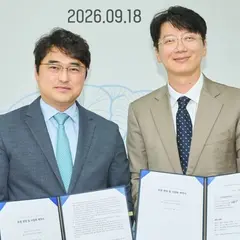
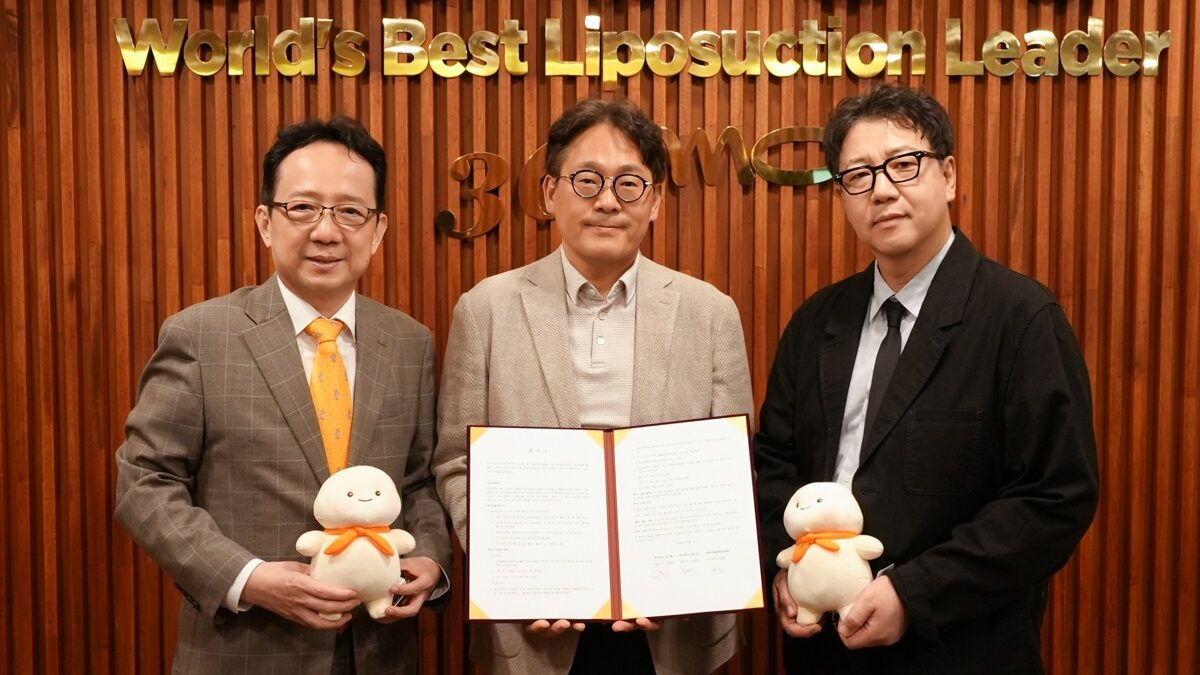
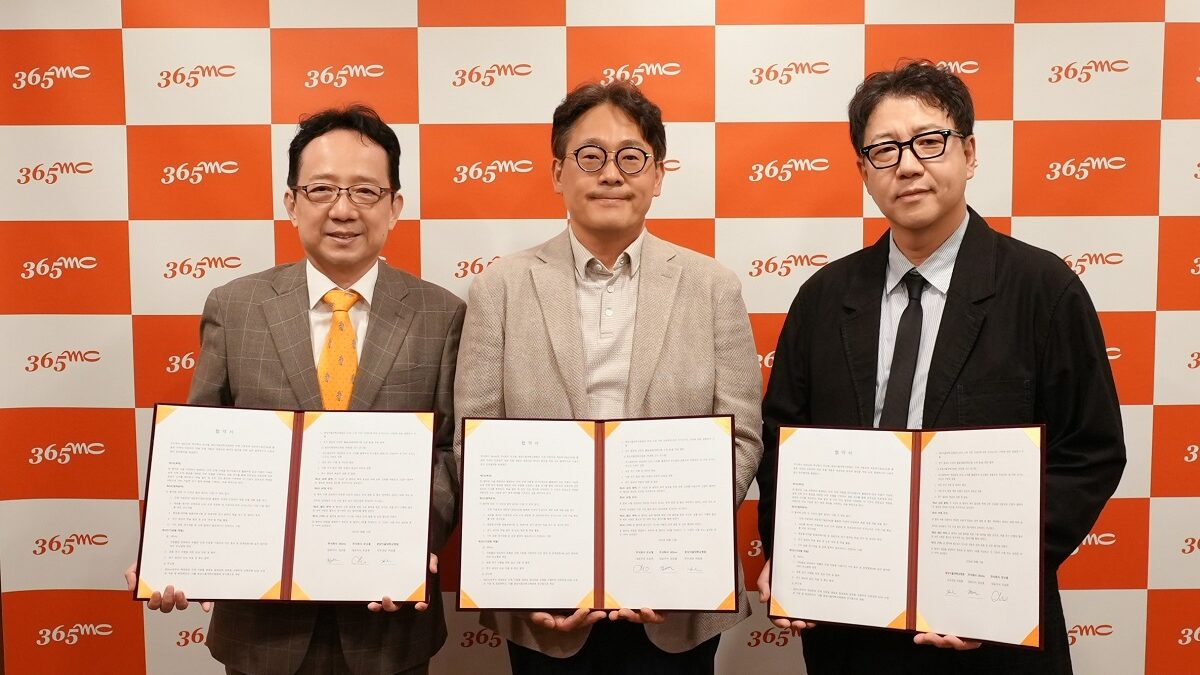
The signing ceremony took place on the 13th at 365mc’s All New Gangnam flagship clinic, attended by 365mc CEO Kim Nam-chul, Prof. Heo Chang-hoon of the Department of Dermatology at Seoul National University Bundang Hospital, and Monitcell CEO Cho Seung-wook.
Stripping Cells to Build a Biological Scaffold
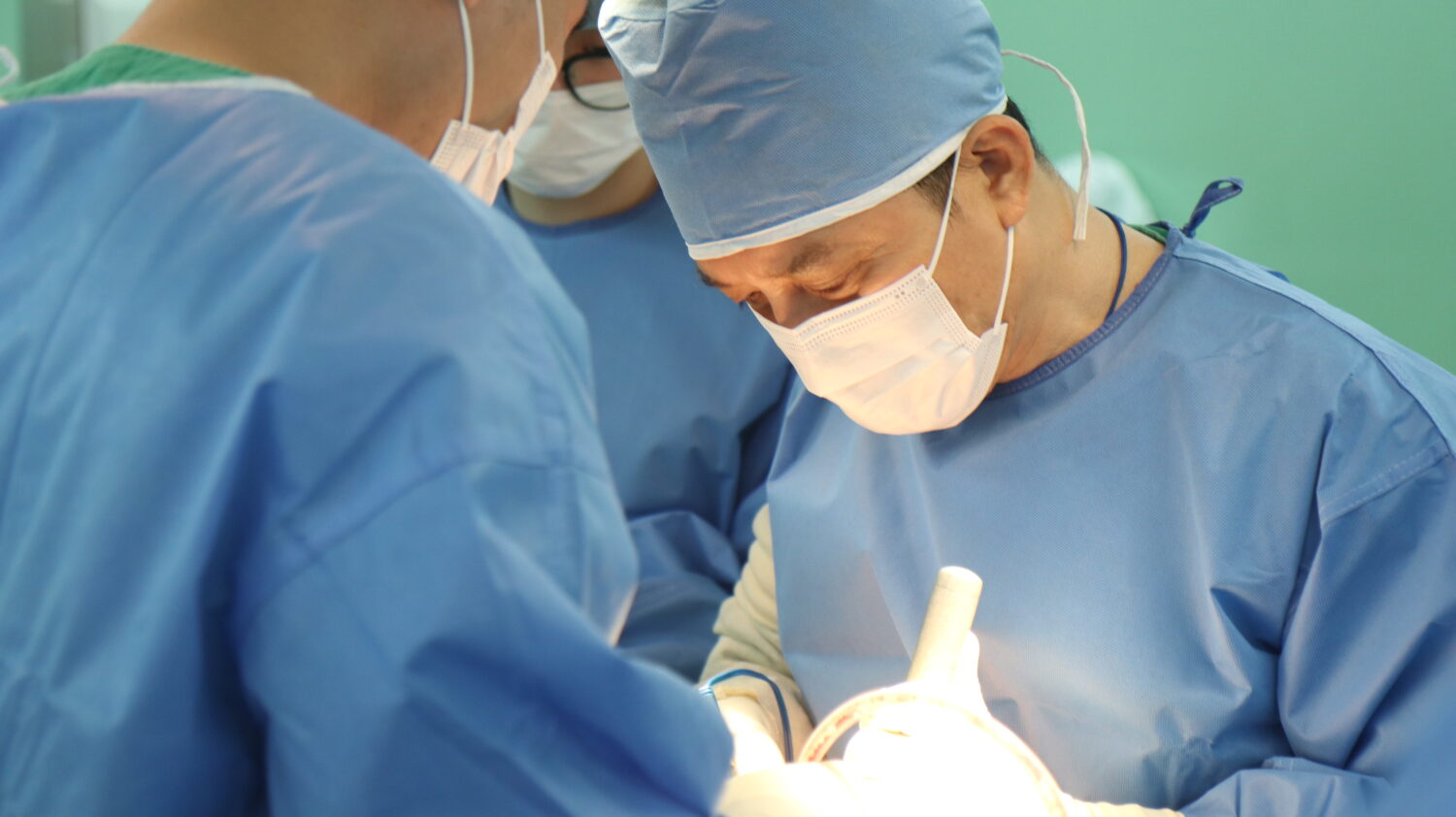
The three organizations have divided responsibilities according to their core strengths. First, 365mc will supply human fat harvested during liposuction procedures for research purposes, strictly following relevant legal regulations and Institutional Review Board (IRB) approval protocols.
Monitcell will run a "decellularization" process to remove cellular components from the fat, leaving behind pure structural tissue. It will then process and standardize this material into human-derived ECM before supplying it to Seoul National University Bundang Hospital.
The research team led by Prof. Heo Chang-hoon will use this ECM to create artificial skin models and skin organoids. The team plans to evaluate how closely the resulting model matches natural human skin in structural integrity and physical characteristics, assessing its viability for future dermatological research.
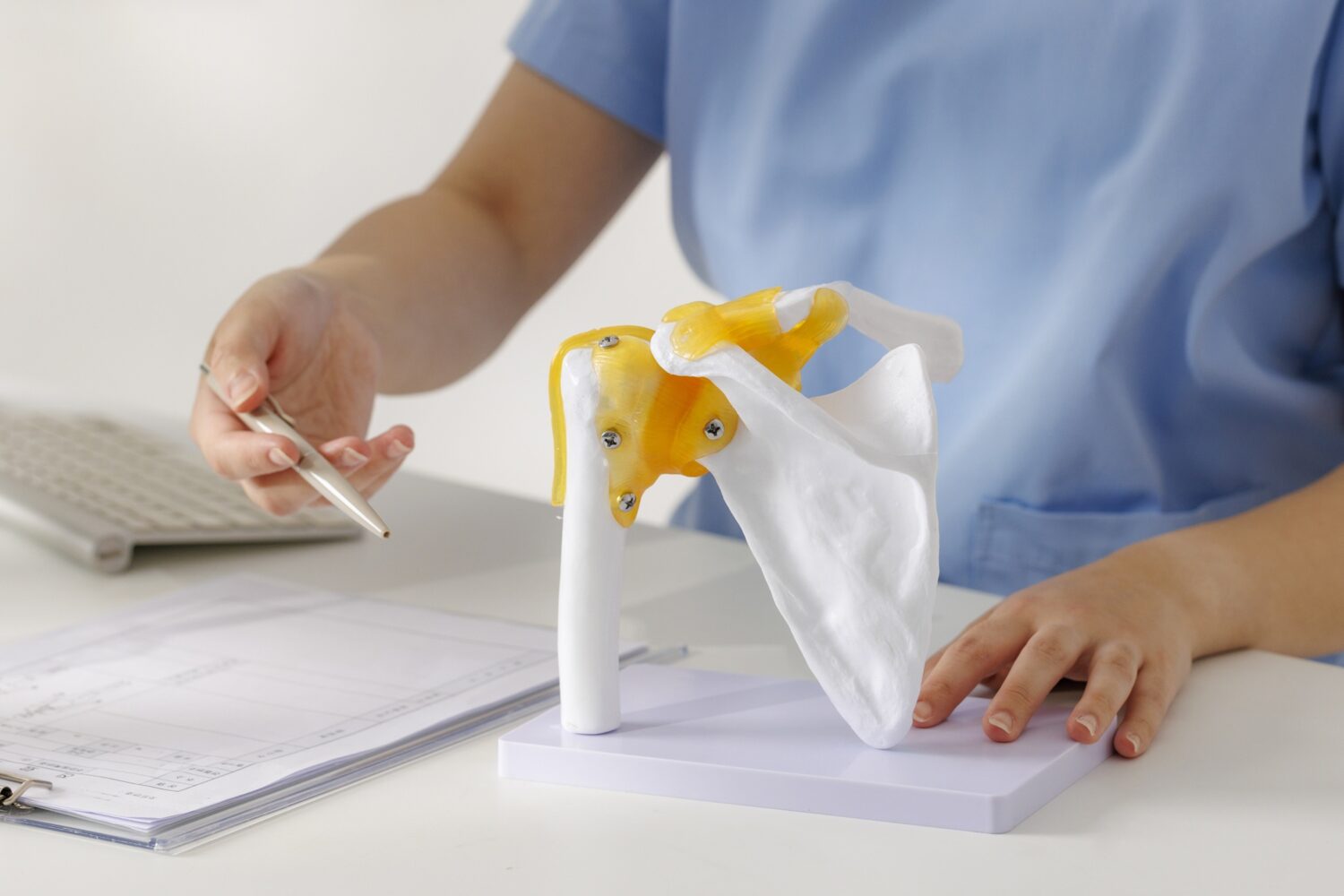
Extracellular matrix (ECM) serves as a biological scaffold that supports cell attachment and tissue growth, consisting of key structural proteins including collagen and laminin. Adipose tissue is far more than a mass of fat cells; once cellular components are removed, a robust three-dimensional scaffold rich in structural proteins remains, providing an ideal environment for cell culture.
Rather than converting fat directly into skin, the study focuses on extracting the ECM scaffold to build a highly realistic research model. Organoids—three-dimensional cell cultures that replicate the structural and functional features of real organs—developed with human adipose-derived ECM are expected to help address the critical limitations of conventional artificial skin.
Expanding the Reuse of Human Medical Waste
The collaboration aligns closely with ongoing regulatory updates surrounding human tissue recycling. Historically, human fat discharged from medical facilities was managed strictly as medical waste, severely limiting its reuse. In July, the South Korean government amended the Waste Control Act, establishing a legal framework to permit the recycling of specific medical waste, including human fat designated by presidential decree.
While the legal groundwork has been laid, practical implementation will follow once the revised recycling provisions take effect on July 8, 2027, along with detailed subordinate regulations.
Beyond basic skin modeling, the research team aims to leverage adipose-derived ECM in basic and clinical studies to investigate the mechanisms behind wound closure and skin regeneration.
"While advances in culturing techniques and 3D bioprinting have driven rapid progress in artificial skin technology, replicating the exact physical properties and complex composition of natural human skin remains a significant challenge," said Prof. Heo Chang-hoon. "Through this joint research, we will work to overcome current technical hurdles and enable broader applications in wound healing and tissue repair."
Monitcell CEO Cho Seung-wook added, "We will precisely characterize human adipose-derived ECM to build artificial skin models that accurately reproduce the human skin environment, expanding its application into regenerative medicine and drug discovery."
"It is highly meaningful that discarded fat can be transformed from waste into a valuable bio-research resource," said 365mc CEO Kim Nam-chul. "Drawing on 365mc's 23 years of accumulated research in fat tissue and liposuction, we will fully support this joint initiative."