“The Amalfi Coast road is winding and congested, making it difficult to drive unless you are exceptionally skilled. Only drivers with master technique—like Pasquella on our bus—can handle it. After all, he’s only killed 12 people here.”
Before we set off along the Amalfi Coast road, our guide, Roberto, delivered the line. The minibus erupted in laughter.
It was clearly a joke, but once you experience the Amalfi Coast road—stretching roughly 50 kilometers along the sheer southern cliffs of the Sorrento Peninsula—you quickly understand why the humor lands.
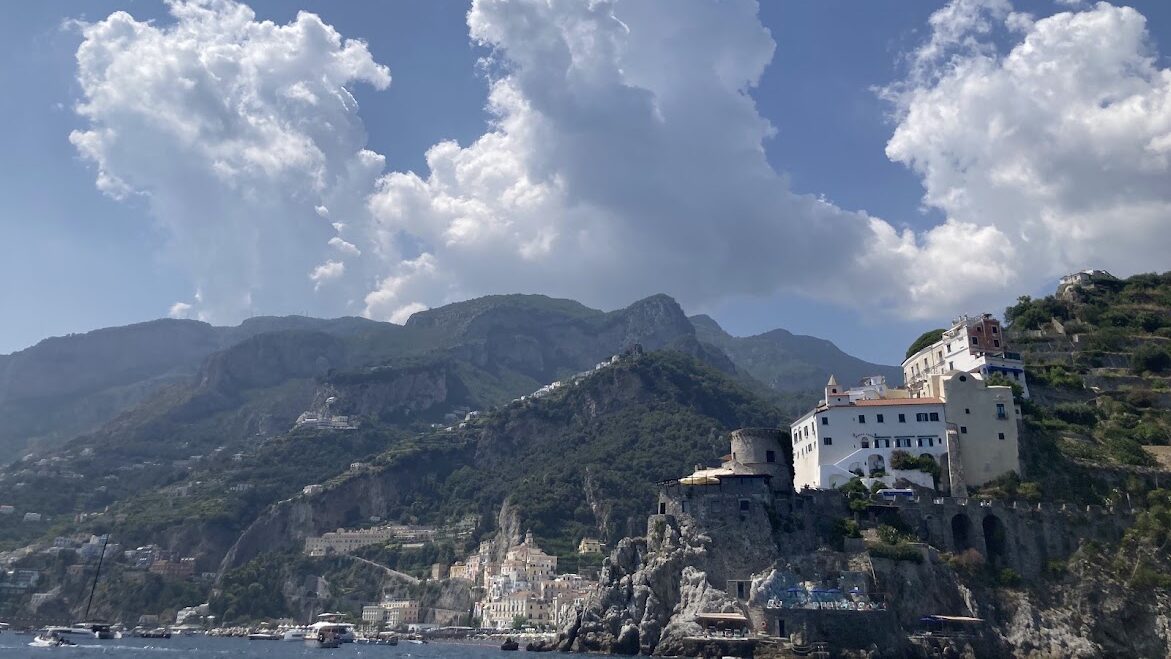
Pastel houses stacked in tiers along dramatic cliffs above the azure Mediterranean form a dizzying, one-of-a-kind panorama—so striking that UNESCO designated the region a World Heritage site in 1997.
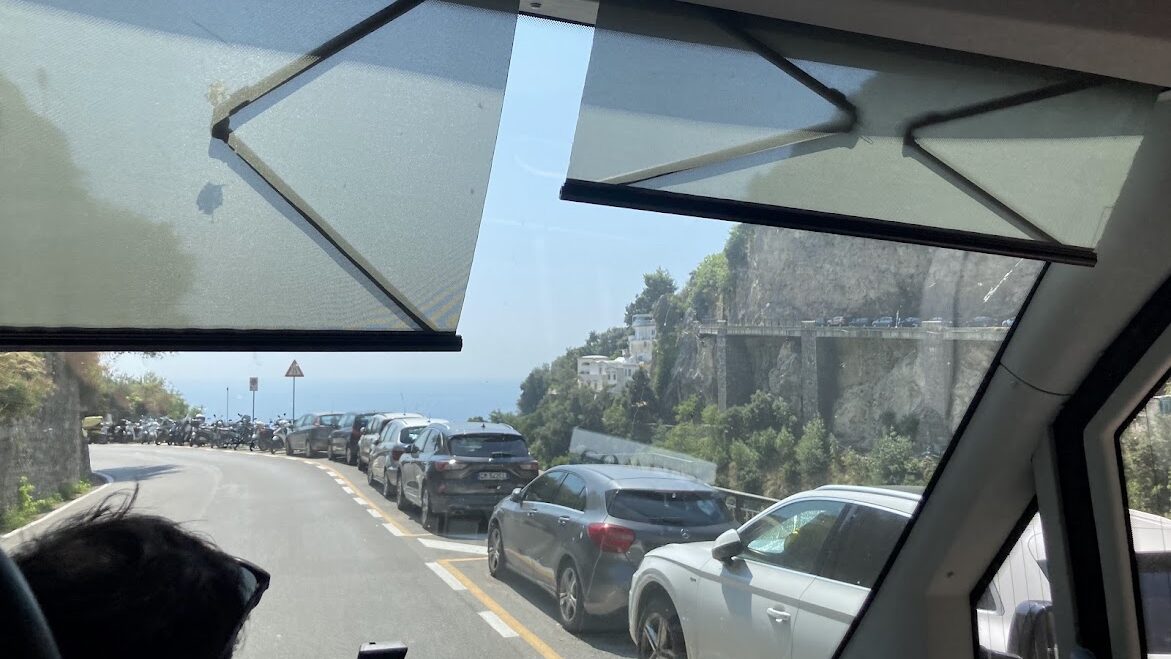
Taking in that beauty, however, is harder than expected. The road is so narrow that its two-way, two-lane designation feels mostly theoretical, while an unbroken sequence of sharp hairpin turns collides with heavy summer traffic. If you spot a line of parked cars along the cliff edge and think you've found an open spot, think again.
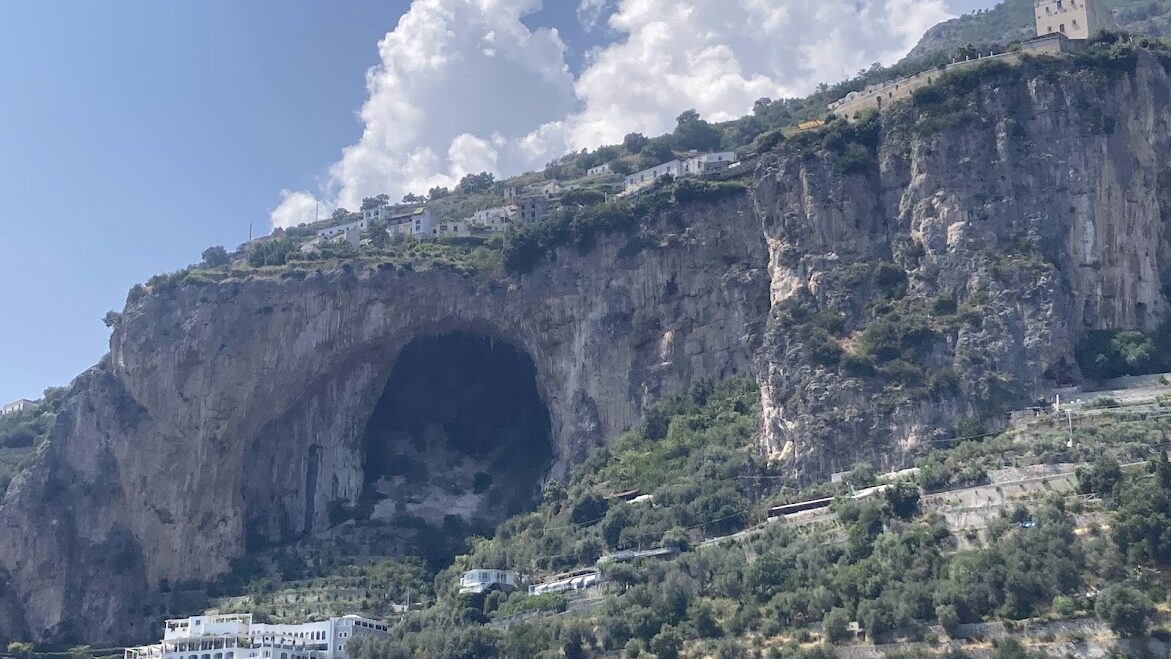
In this "vertical city," where homes cling to seaside rock faces and plunge deep into the mountainsides, residents have few places to park—meaning those spots belong to locals. Finding a pull-off where a traveler can pause, catch a breath, and admire the view feels nearly impossible.
Parking across major European destinations is often an ordeal, but Amalfi takes it to an extreme. Locals joke that if a wife spots an open parking space while walking, she immediately calls her husband to drive over and claim it.
On past trips, driving a rental car yielded far more stress than scenery. Unable to find parking, I repeatedly drove past sights I desperately wanted to explore. Amalfi wasn't a "fantastic drive"—it was a "drive-you-crazy driver" nightmare.
This time, I changed tactics, booking a day tour leaving Naples at 8:00 a.m. via Sorrento and Amalfi, returning via the highway. Freed from behind the wheel, the Mediterranean’s breathtaking vistas—and the daily rhythms tucked within them—finally came into full focus.
Beyond Rankings: Finding Character in Hidden Coastal Gems
The Amalfi Coast is frequently celebrated as "the most beautiful coastal road in the world." Yet travel destinations worldwide carry rankings of dubious origin—one of the world's top three night views, or one of the seven natural wonders. Travelers need not let arbitrary lists dictate their journeys. What matters most is not an external ranking, but a traveler's personal "Must-Go" list—seeking out places meaningful to them and crossing them off one by one.
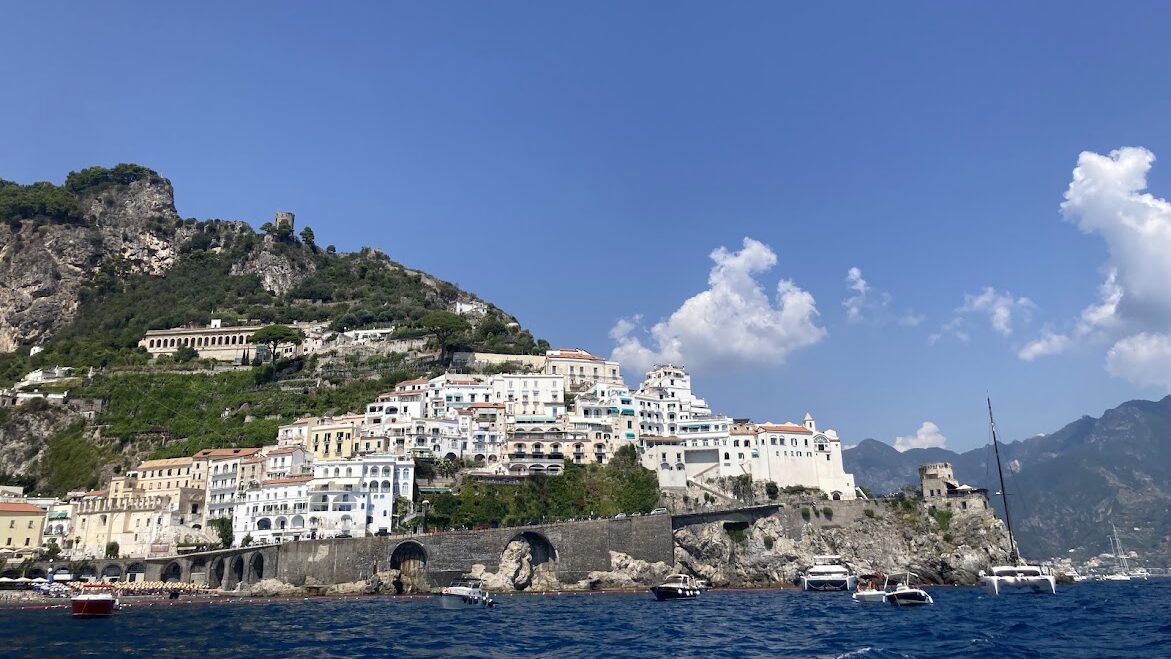
Winding along the coast, the route weaves through iconic towns including Positano, Amalfi, Ravello, Praiano, and Atrani. Each carries distinct charm: Positano boasts dense clusters of colorful cliffside pastel homes; Amalfi stands as a central hub steeped in medieval maritime history; and Ravello perches 350 meters above sea level as a haven of music and art.
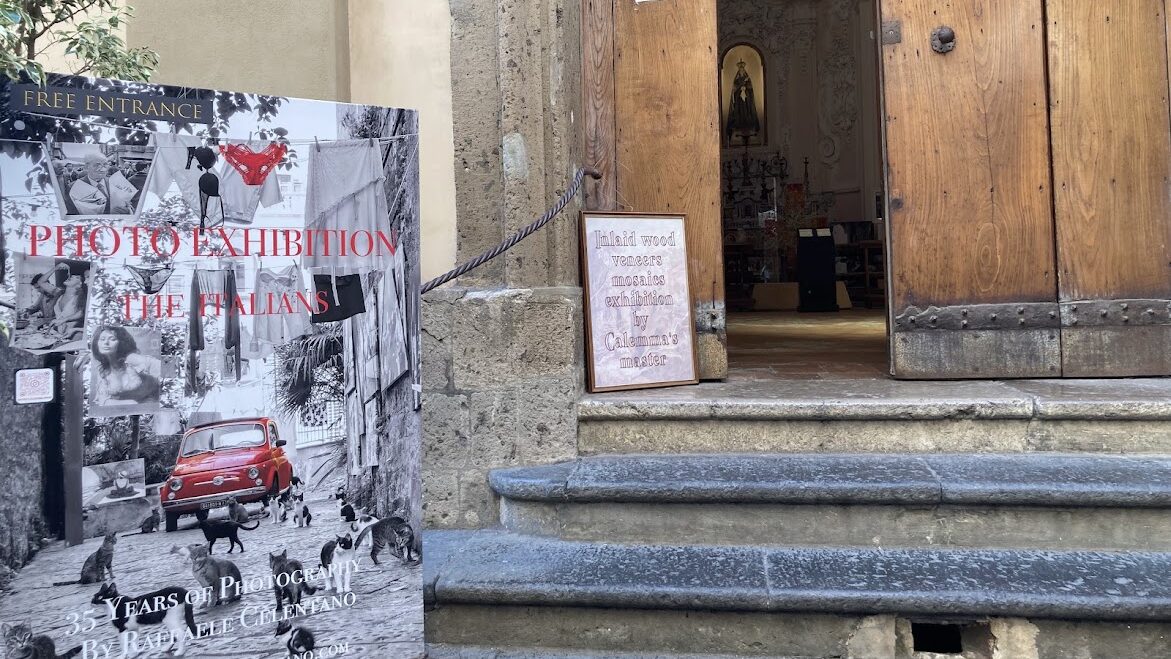
Yet the town that lingers longest in memory may be the smallest and quietest: Atrani. Spanning just 0.12 square kilometers, Atrani is one of Italy's smallest municipalities and served as the primary setting for The Equalizer 3, starring Denzel Washington. While viewers often mistake the movie's backdrop for Positano, filmmakers purposefully selected Atrani over its more commercialized neighbor. With narrow alleyways, stone church steps, and a quiet piazza where locals gather over espresso, Atrani retains an authentic daily life—a fitting sanctuary for the film’s protagonist. Ultimately, the production team chose not the most famous destination, but the one most true to itself.
Historic Landmarks Beneath the Clifftop Glamour
Beyond cinema, Amalfi bears the footprints of historical and modern figures. Hotel Santa Caterina, a premier five-star luxury retreat built into the cliffside, is renowned for suites offering sweeping Mediterranean views. The legendary property—where rooms command high luxury rates—once hosted Brad Pitt and Angelina Jolie during a widely publicized getaway. Yet that glamour eventually dissolved into a bitter, high-profile divorce. Bill and Hillary Clinton also sought retreat here, before facing political storms and public trials. No matter how breathtaking the scenery, even the most luxurious cliffside sanctuary cannot shield prominent figures from life's turbulent turns.
Navigational Legacy of a Medieval Maritime Power
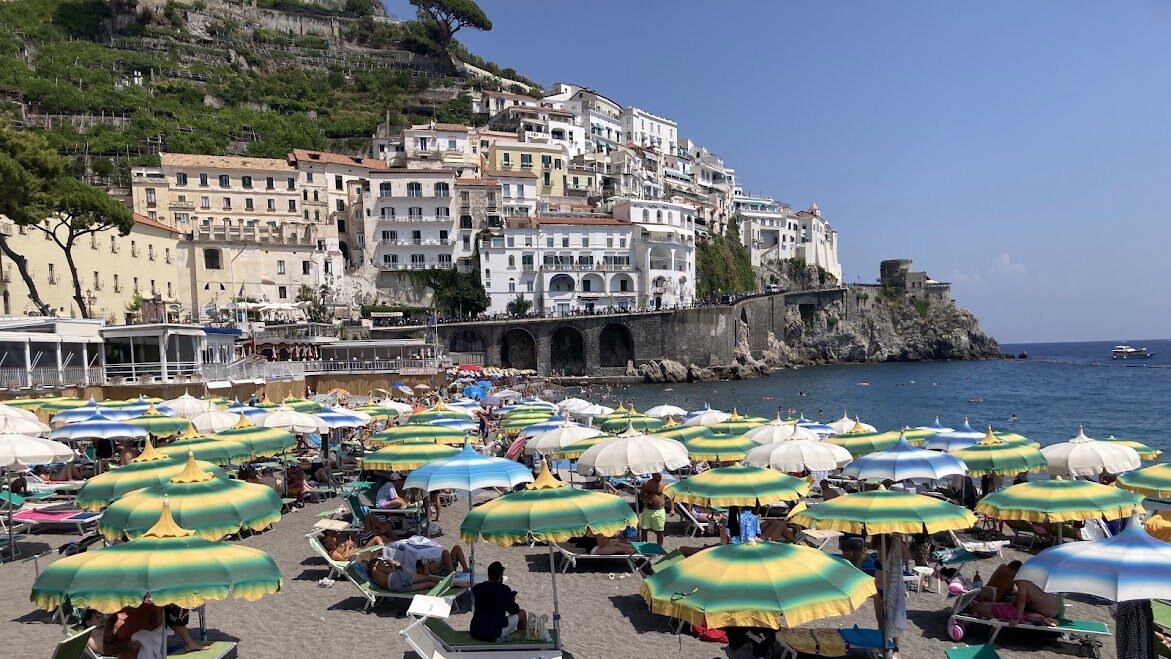
Viewing Amalfi solely as a beach resort overlooks its historic significance as a formidable medieval maritime republic that once dominated Mediterranean trade routes. Piazza Flavio Gioia, situated at Amalfi's port, honors the figure credited with inventing the modern magnetic compass. Though historians debate whether Gioia was a real individual or a legend, Amalfi's historic role in refining magnetic navigation and commercializing the compass remains undisputed.
Across the Gulf of Naples, the Royal Shipyard in Castellammare di Stabia marks another historic landmark: the birthplace of the Amerigo Vespucci, the majestic full-rigged training vessel of the Italian Navy often dubbed "the world's most beautiful ship." Understanding Amalfi properly begins with recognizing its enduring connection to the sea.
The Gold of the Milk Mountains: The Sfusato Amalfitano
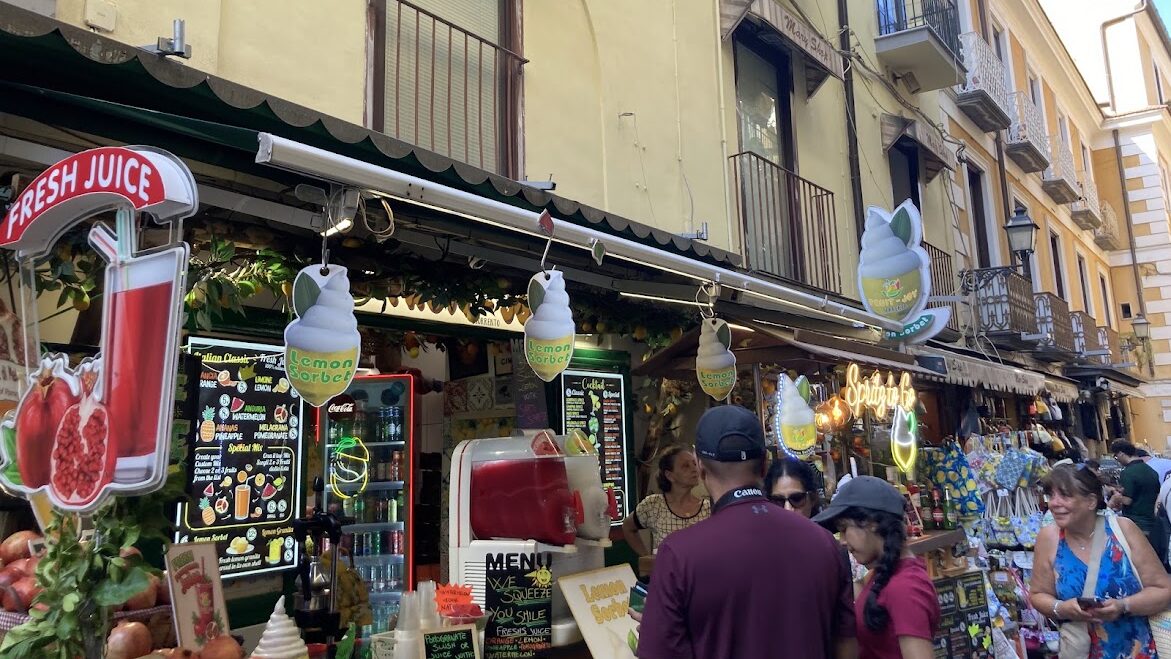
Ultimately, the image that defines Amalfi for most visitors is the vibrant yellow lemon. From beverages and apparel to artisanal soaps and leather bags, the region is bathed in yellow, with terraced lemon groves blanketing the steep cliffside slopes.
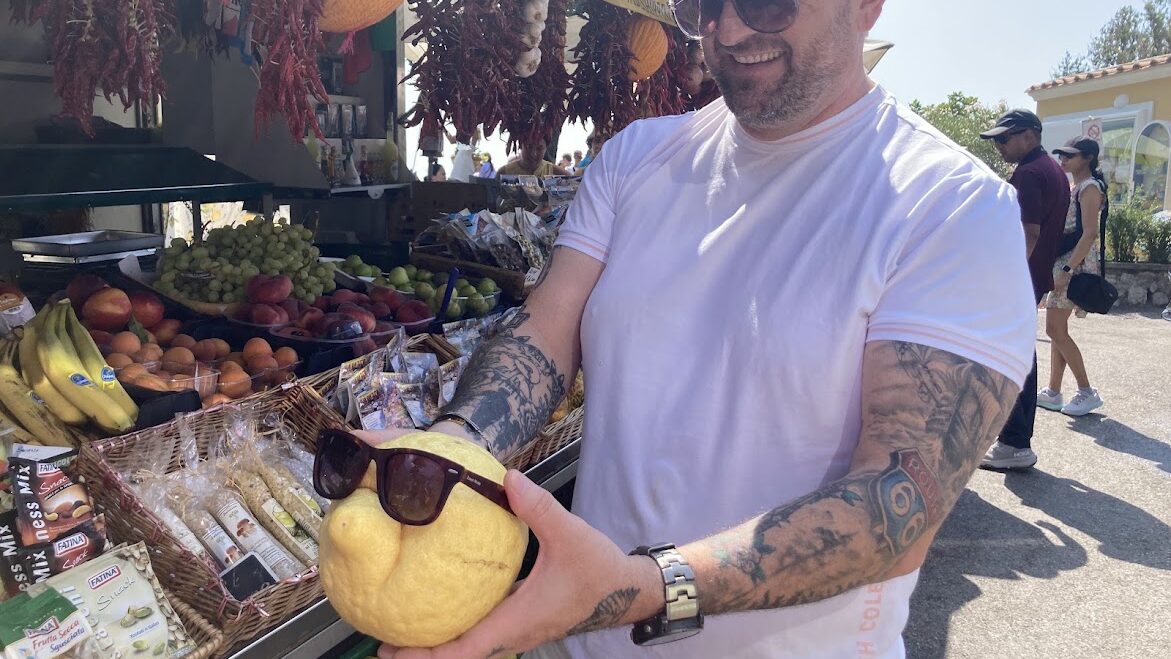
Amalfi’s signature variety, the Sfusato Amalfitano, belongs in a category of its own. Two to three times larger than standard lemons and tapered at both ends, its thick rind encases a sweet, aromatic flavor packed with essential oils rather than harsh acidity. In playful roadside displays, local shopkeepers place sunglasses on the oversized lemons, touting them to tourists as "John Lemon."
These prized lemons thrive on rugged cliffs thanks to the mild Mediterranean climate and mineral-rich volcanic soil deposited by Mount Vesuvius over millennia. Cultivation requires immense human labor. On the sheer terraces of the Monti Lattari ("Milk Mountains")—named for a long tradition of cattle and goat farming—machinery cannot operate. Farmers harvest lemons by hand, carrying heavy baskets up and down steep stone steps on their shoulders. To protect crops, growers use Pagliarelle—traditional coverings made of chestnut poles and straw—to shield trees from winter frost and scorching summer heat. Because of vertical farming constraints and intensive manual labor, production remains limited, and the Sfusato Amalfitano holds Protected Geographical Indication (PGI) status to preserve its rarity.
From Scurvy Prevention to Advertising History: The Dual Meaning of 'Lemon'
Historically carried aboard Amalfi trading vessels to prevent scurvy, these lemons evolved into the region's famed digestif, Limoncello. Ranging from 25% to 32% alcohol by volume, Limoncello is produced not from lemon juice, but by steeping essential oils extracted from the peel in pure alcohol. Though local lore poetically calls it "tears of God," residents describe Limoncello simply as "sunshine captured in a bottle."
Fascinatingly, the fruit revered as "yellow gold" along the Amalfi Coast serves as American slang for a defective product or unreliable automobile. The term originated from the fruit's deceptive nature: appealing on the outside, but sour upon biting. This connotation was further reinforced by slot machine design, where a lemon symbol yielded zero payout.
The term entered advertising legend in 1960 through Volkswagen’s famous print campaign. Beneath a photograph of its Beetle, VW ran a bold, single-word headline: "Lemon." The copy revealed that the vehicle had failed factory inspection due to a hairline flaw on the chrome molding, emphasizing that defective units were never sold to consumers. By turning a minor flaw into a statement of uncompromising quality control, the campaign became a landmark in advertising history.
In 1970, economist George Akerlof published "The Market for Lemons," analyzing quality uncertainty caused by information asymmetry—work that earned him the 2001 Nobel Prize in Economic Sciences. Today, consumer protection laws for defective vehicles across the United States are officially known as "Lemon Laws." It remains a compelling irony that a single fruit represents regional treasure in Italy and product defect in the United States.
Embracing the Pace of Life
On the return trip, I bought a local lemon to slice into my water. Wondering briefly whether it was an authentic clifftop Sfusato, a deeper realization took hold: what truly matters is the time and way of life preserved within it.
It feels as though tour guides along the Amalfi Coast are still sharing lively tales on minibuses, celebrating the Mediterranean vistas and cliffside lemon groves. Their message comes through with quiet clarity.
From the tour driver deftly navigating razor-thin turns, to the tranquil village where a movie character sought refuge, to centuries of seafaring heritage, and lemons maturing slowly on rugged cliffs—everything along this coast speaks with one voice:
Do not rush. Look out at the sea. Slow your pace. Savor what nature provides. Soak in the sunlight. Breathe deeply. And in quiet moments, listen.
In the end, perhaps travelers have been drawn to Amalfi’s steep cliffs for centuries not merely to witness "the world's most beautiful scenery," but to adopt, if only briefly, a slower pace of life rooted in harmony with nature.