Sweltering summer heat and high humidity often leave freshly washed clothes smelling stale and musty. When moisture remains trapped in fabric fibers, microorganisms multiply rapidly, producing a distinct, unpleasant odor. Beyond being an annoyance, damp, mildewed clothing can trigger skin irritation or dermatitis, particularly in children and older adults with sensitive skin or compromised immune systems. Here is why these odors linger—even after using ample detergent—and how to eliminate them.
Neutralizing odors and maintaining your washer
To neutralize stubborn odors during the wash cycle, baking soda serves as an effective natural solution. Soaking laundry briefly in a baking soda solution before washing or adding it alongside regular detergent helps eliminate trapped smells. Alternatively, adding a small amount of vinegar during the final rinse cycle can achieve similar results.
If unpleasant smells persist despite thorough washing, the culprit may be the washing machine itself. Accumulations of dust, lint, and mold in the detergent dispenser, drum, or filter can easily transfer to clothing. Cleaning the machine regularly with a dedicated washing machine cleaner—filling the drum with hot water, letting the solution soak for roughly 30 minutes, and running a full wash cycle—ensures buildup and contaminants are completely flushed out.
Accelerating drying time and managing indoor airflow
Preventing musty odors ultimately depends on minimizing the amount of time clothing remains wet. Running an additional spin cycle after the main wash reduces residual moisture, making it particularly beneficial for heavy, slow-drying items like thick towels or denim. However, delicate fabrics such as knitwear or performance apparel should be spun gently to prevent damage. For lingering moisture, wrapping garments in a dry towel and pressing lightly can help absorb excess water.
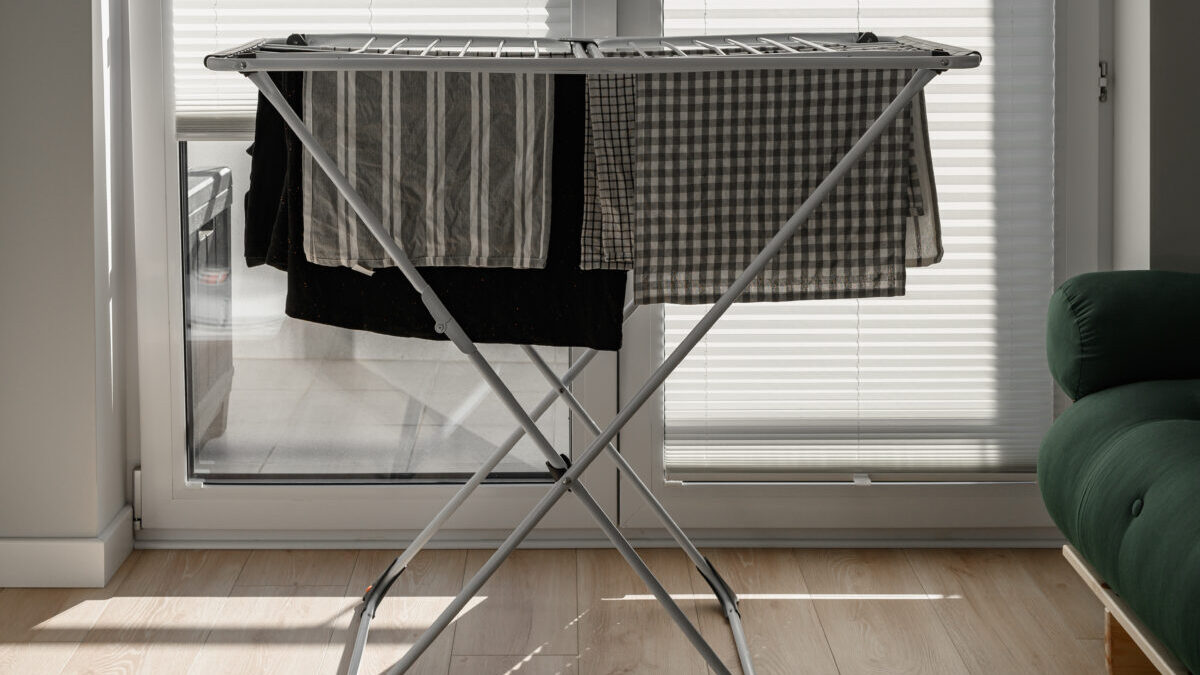
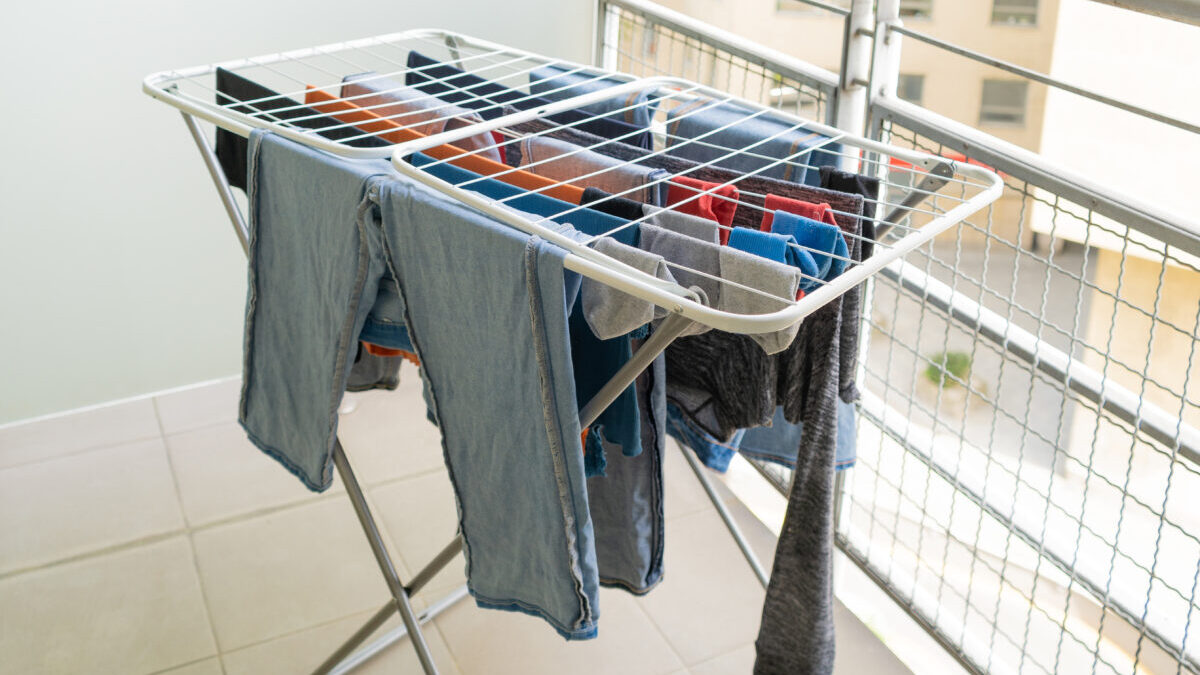
Proper spacing during drying is equally critical. Hanging clothes too closely together restricts airflow, prolonging drying times and encouraging microbial growth. Staggering smaller items and draping heavier garments across multiple drying rack bars allows air to circulate freely.
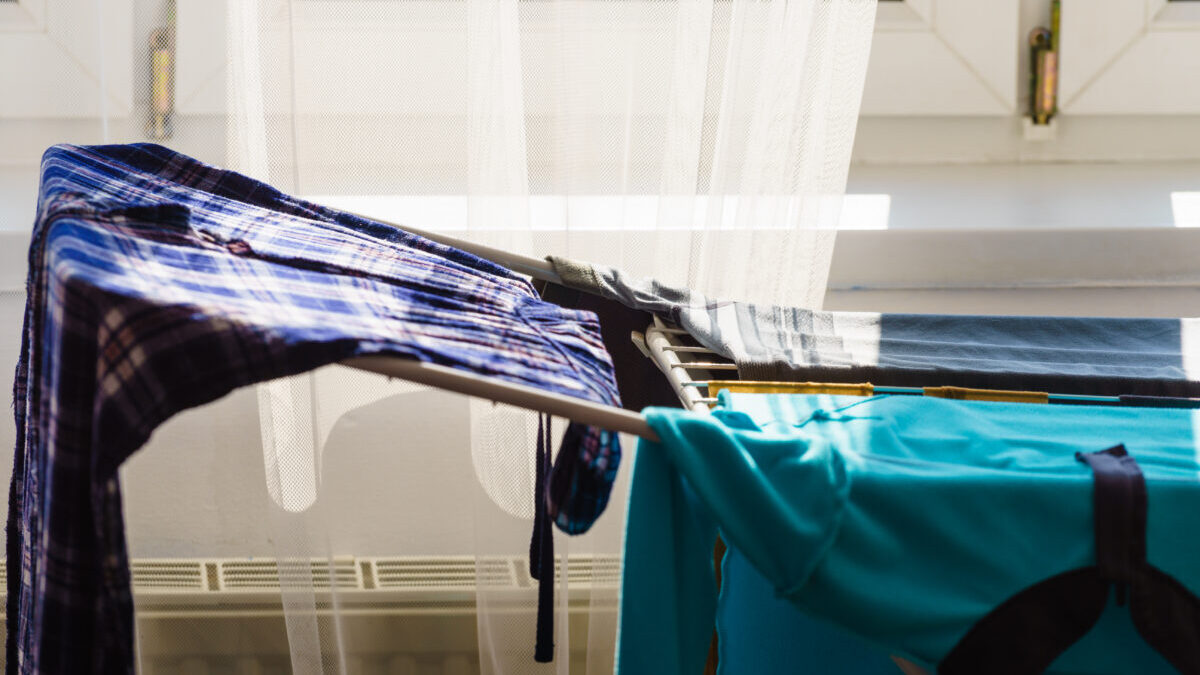
Using an electric fan or air circulator speeds up indoor moisture evaporation. For long-sleeved tops and trousers, using two hangers to spread out sleeves and pant legs exposes the interior lining to moving air. When drying laundry indoors on exceptionally humid days, running a dehumidifier with windows closed is highly effective. To maximize efficiency, position the unit at least 30 centimeters away from walls.
Finally, even properly dried clothing can absorb moisture and develop odors inside a damp closet. Ventilating wardrobes frequently, using moisture-absorbing products, and maintaining space between hung garments ensures laundry stays crisp and fresh long after it is put away.