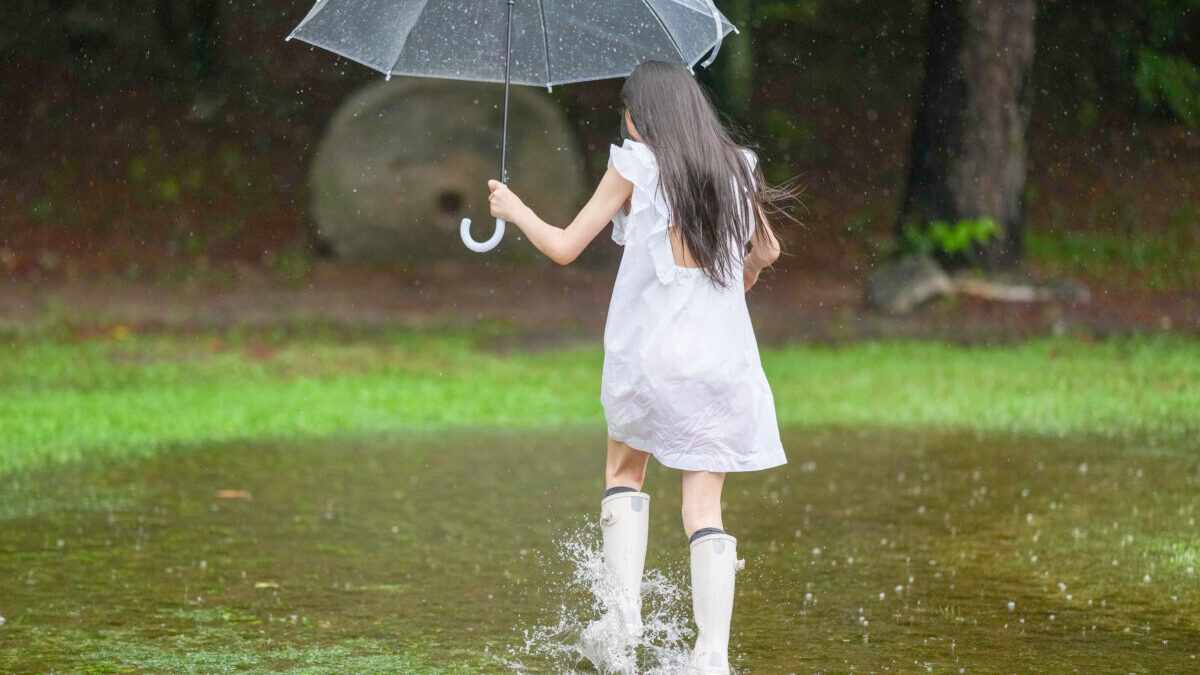
During the humid rainy season, shoesWet shoes can quickly develop musty odors and warp if not dried properly. Photo=Getty Images Bank that get wet even once can be painfully slow to dry. Damp footwear does not just develop a stubborn, musty smell; it can also warp, crack, or suffer permanent structural damage. Even when the outer material feels dry to the touch, moisture often lingers for days in areas with poor airflow—such as directly beneath the insole. This creates the perfect breeding ground for bacteria and mold. To keep your footwear fresh and intact, here is an essential care guide tailored to different shoe materials.
Quick Care for Sneakers: Isolate the Insoles and Neutralize Odor
The moment you step inside, wipe down wet sneakers with a dry towel to lift surface moisture. At this stage, it is best to gently shake off or wipe away loose mud and debris rather than scrubbing, which can grind grit deeper into the fabric. Next, remove both the laces and the insoles to dry them separately. Stuff the body of the sneakers with paper towels or crumpled newspaper, which are highly effective at drawing out internal dampness. Place the shoes in a well-ventilated, shaded area, and swap out the paper once it becomes saturated.
If a stubborn odor persists even after the shoes have dried completely, a simple household powder can help. Place a spoonful of baking soda or dry coffee grounds inside a thin fabric pouch or a tea bag to prevent spilling, and tuck it inside the shoe to neutralize and absorb unpleasant smells.
Protecting Leather Dress Shoes and Sandals: Shade Over Sun
Leather shoes and sandals require highly delicate handling. Exposing wet leather to direct sunlight or artificial heat sources can cause the natural material to shrink, stiffen, or crack irreversibly. If your leather shoes have absorbed rainwater, gently wipe them down inside and out with a soft, clean cloth. Next, insert crumpled newspaper inside to draw out internal moisture and help the shoes retain their shape. Let them dry slowly in a cool, breezy spot away from direct heat or sunlight. Once the leather is completely dry, apply a dedicated leather conditioner or cream to replenish lost oils and prevent structural damage.
Caring for Plastic and Rubber Footwear: Preventing Trapped Moisture
Plastic or rubber jelly shoes and rain boots are popular choices for wet weather due to their waterproof properties. However, water resistance does not mean they are maintenance-free. When water gets trapped inside these shoes, the lack of airflow makes it incredibly slow to evaporate, quickly leading to mold growth and foul odors.
If your rubber footwear gets soaked, wipe off any exterior and interior moisture with a dry towel and let them dry in the shade. Avoid exposing wet rubber to intense sunlight or heat, as high temperatures can easily warp and deform synthetic materials. Rain boots are particularly prone to trapped dampness because of their long, narrow shafts. Stuffing them deeply with newspaper not only accelerates the internal drying process but also helps the boots maintain their upright shape.