Unprecedented summer heat has arrived. Even though it is only early July, daytime highs in several regions have already surged to a scorching 38°C (100.4°F).
On July 12, the Korea Meteorological Administration issued an extreme heat severe warning for Gyeongsan and Pohang in North Gyeongsang Province. This specialized warning is triggered only when the maximum heat index is projected to exceed 35°C for two consecutive days, or when daily highs are expected to top 39°C. The stringent measure follows a worrying spike in seasonal health impacts, including 535 reported cases of heat-related illness and two fatalities amid the suffocating heat wave.
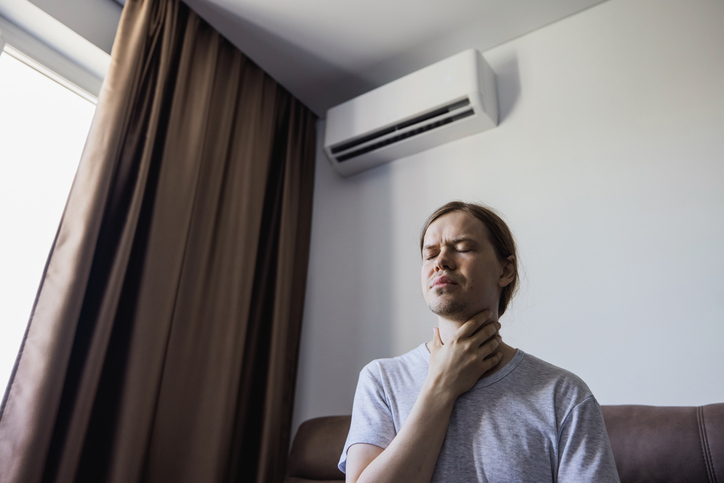
To escape the sweltering outdoor temperatures, many people run their air conditioning continuously. However, setting indoor cooling to excessively low temperatures can take a severe toll on respiratory health. Operating an air conditioner for prolonged periods strips moisture from indoor air, leaving the throat's delicate mucous membranes dry, irritated, and highly vulnerable to pathogens.
Distinguishing Air-Conditioning Sickness from Infection
When throat pain develops after heavy exposure to air conditioning, many individuals simply chalk it up to a mild cold or "air-conditioning sickness." Air-conditioning sickness typically refers to a cluster of mild symptoms—such as headaches, indigestion, and a dry, scratchy sensation in the throat—that occur when the body struggles to adapt to rapid temperature fluctuations between hot outdoors and chilly indoors.
However, if the discomfort escalates beyond mild scratchiness to severe pain that makes it difficult to swallow even saliva, acute tonsillitis may be the culprit.
The tonsils are the masses of lymphoid tissue visible on either side of the uvula at the back of the throat, as well as at the base of the tongue and where the nasal passage meets the throat. They act as the body's first line of defense, trapping bacteria and viruses that enter through the mouth or nose.
When constant air conditioning is compounded by sleep deprivation from humid, "tropical nights," the resulting physical fatigue compromises the immune system. This makes the body highly susceptible to bacterial and viral invaders, triggering acute inflammation of the tonsils. As the infection intensifies, swallowing food or liquids becomes incredibly painful, and patients may experience systemic symptoms, including high fevers, joint pain, and generalized weakness.
Navigating Recovery and Prevention
If you suspect you have tonsillitis, visiting an ear, nose, and throat (otolaryngology) clinic for an accurate diagnosis is essential. Mild, viral cases can often be managed with plenty of bed rest and proper hydration. However, if a clinician diagnoses bacterial tonsillitis, a course of antibiotics will be required.
While symptoms generally begin to improve within 48 to 72 hours of starting antibiotic therapy, patients must not discontinue their medication prematurely. Stopping antibiotics as soon as the pain subsides allows the strongest surviving bacteria to mutate, potentially leading to antibiotic resistance, a relapse, or more severe secondary complications. Most patients fully recover within four to five days of adhering to their prescribed treatment plan. For individuals who suffer from chronic tonsillitis—defined as recurring more than three to four times a year despite conservative treatment—surgical removal of the tonsils (a tonsillectomy) may be considered.
"In the summer, carefully managing your indoor climate is vital for respiratory defense," says Lee Dong-yeon, a professor of otolaryngology at Soonchunhyang University Seoul Hospital. "Ensure that the air conditioner's cold airflow does not blow directly toward your face and throat, and avoid keeping the room temperature excessively low. Drink water frequently to prevent the throat's mucous membranes from drying out, and if you do experience painful swallowing, stick to soft, lukewarm foods like porridge to minimize irritation."