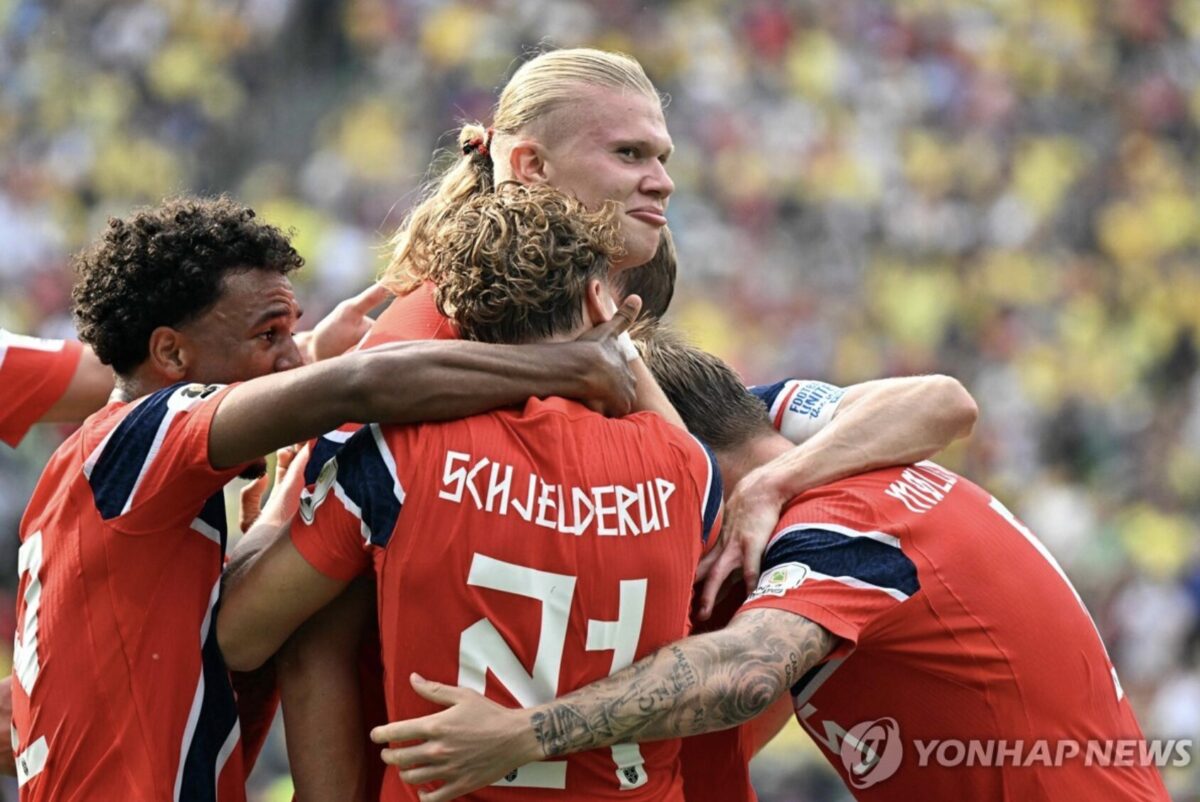
Norway’s national football team is commanding global attention after delivering the biggest shock of the 2026 World Cup.
Surging on the World Cup stage for the first time in 28 years—having last appeared in 1998—Norway defeated perennial title favorites Brazil on the 6th to secure a spot in the quarterfinals, marking the country's best-ever finish in tournament history. While the squad boasts world-class superstars like Manchester City striker Erling Haaland, 25, and Arsenal playmaker Martin Ødegaard, 27, the extraordinary personal journey of manager Ståle Solbakken is capturing equal fascination.
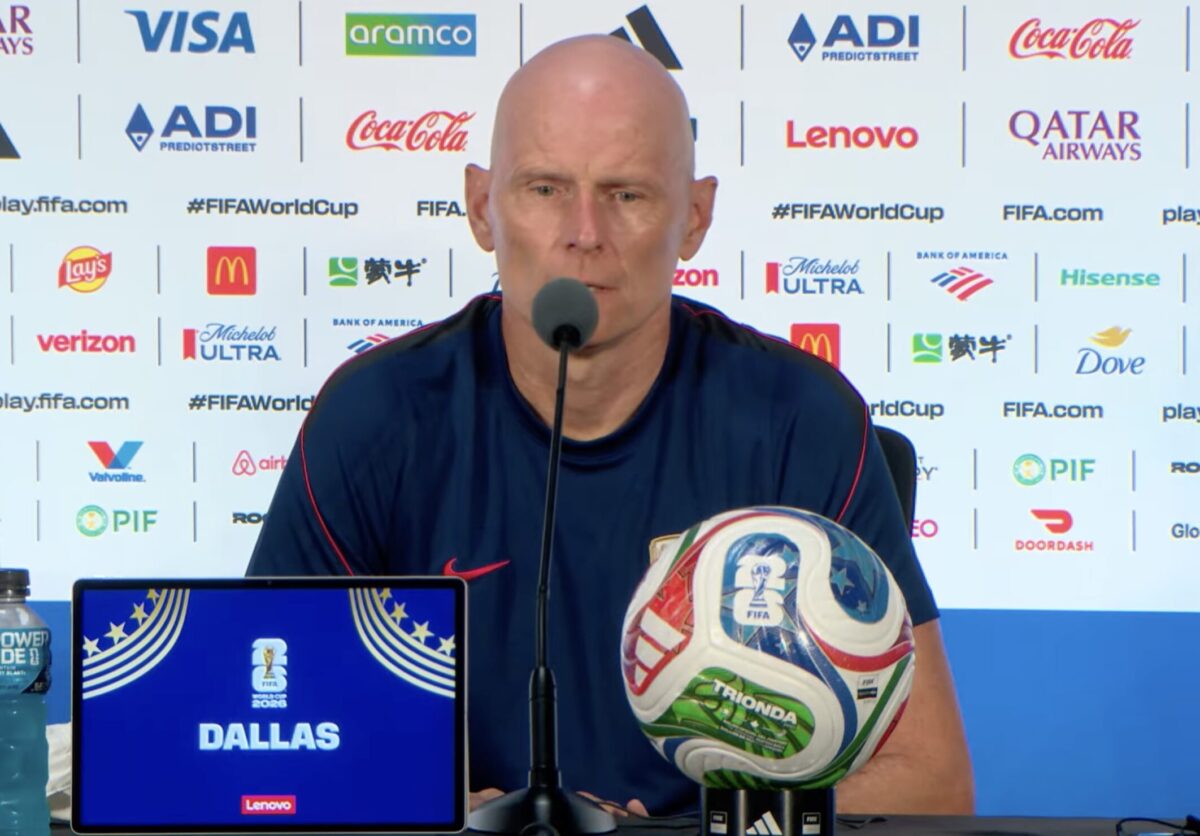
The Life-Saving Device in His Chest
Solbakken is a legendary figure in Norwegian football, having enjoyed a highly successful playing career that included captaining the national team. He even took the pitch as a player during Norway's last World Cup appearance before the current tournament. However, a harrowing medical emergency eventually forced him to hang up his boots.
In March 2001, while playing for Danish powerhouse FC Copenhagen, Solbakken suddenly collapsed on the training ground after suffering a sudden heart attack, aggravated by a congenital cardiac abnormality. Although an ambulance arrived swiftly, it was an extreme emergency: his cardiac arrest lasted for more than seven minutes.
Medical literature notes that brain damage typically begins just two to three minutes after a cardiac arrest occurs. By the five-minute mark, irreversible and fatal neurological damage becomes highly probable, and delays exceeding ten minutes frequently lead to brain death.
Miraculously, after spending 26 hours in a coma within the intensive care unit, Solbakken regained consciousness. He eventually recovered his health but announced his retirement from professional play due to the physical aftereffects of the incident. Today, Solbakken lives with an implantable cardioverter-defibrillator (ICD) in his chest to artificially regulate his cardiac rhythm.
Dismissing Quarterfinal Flu Rumors
As Norway prepares for its monumental quarterfinal clash against England, the team has also had to navigate a wave of misinformation. Rumors recently surfaced across media outlets claiming that several key Norwegian players had contracted the flu and would struggle to perform.
The speculation originated from a post-match interview with Solbakken following the victory over Brazil, during which the manager coughed repeatedly. "Mild symptoms like coughing and a runny nose are spreading across the squad," Solbakken had noted at the time. "I suspect the long-distance travel and constant air conditioning are to blame."
Those comments sparked pessimistic reports and intense speculation, particularly within the British press, regarding a potential outbreak in the Norwegian camp.
However, Norway team doctor Ola Sand firmly dismissed the controversy, ensuring the team remains focused on its historic run. "Right now, every single player is perfectly healthy," Sand stated. "It is quite amusing to watch the British media react so strongly to completely fabricated rumors."