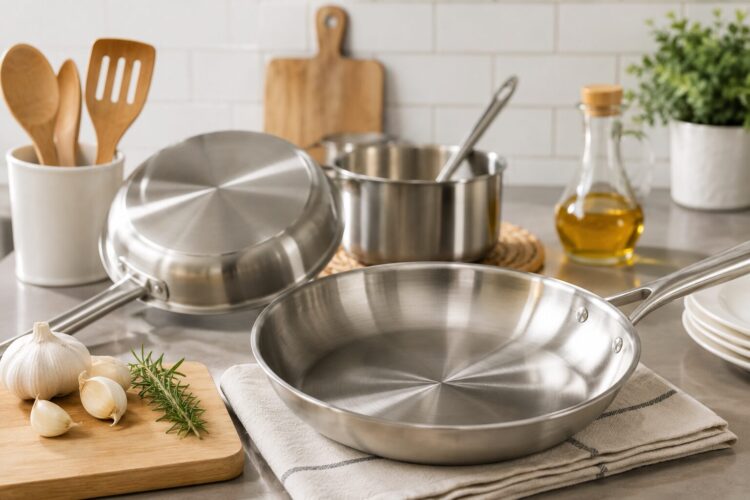
Many home cooks finally splurge on a stainless-steel frying pan, drawn by the promise of a lifetime tool free from chemical coatings. However, many quickly find food sticking to the surface and feel overwhelmed starting with the very first wash. Experts note that reaping the true benefits of stainless-steel cookware requires understanding its material grades, its structural construction, how to remove manufacturing compounds, and how to preheat it properly.
Decoding the Numbers: 304, 316, and 430 Stainless Steel
The first thing to check when purchasing a stainless-steel pan is the grade number stamped on the product. The most common grade, 304 stainless steel, contains high levels of chromium and nickel, which provide excellent resistance to rust and corrosion. It is widely considered more than sufficient for everyday home cooking and tableware.
Premium 316 stainless steel includes added molybdenum, offering even greater resistance to salt and acidic ingredients. While more expensive, it is favored by consumers looking for maximum longevity. In contrast, 430 stainless steel is magnetic and relatively inexpensive but less corrosion-resistant; it is typically utilized for induction-compatible outer bases rather than the cooking surface itself. Experts advise ensuring that at least the interior cooking surface is made of grade 304 or higher.
Fully Clad 3-Ply vs. 5-Ply: Higher Prices Don't Guarantee Better Results
Shoppers frequently encounter the terms "fully clad 3-ply" and "fully clad 5-ply." A fully clad 3-ply pan features three alternating layers of stainless steel and aluminum, striking an optimal balance of heat conductivity, manageable weight, and price. It is the most practical choice for daily tasks like frying eggs and stir-frying.
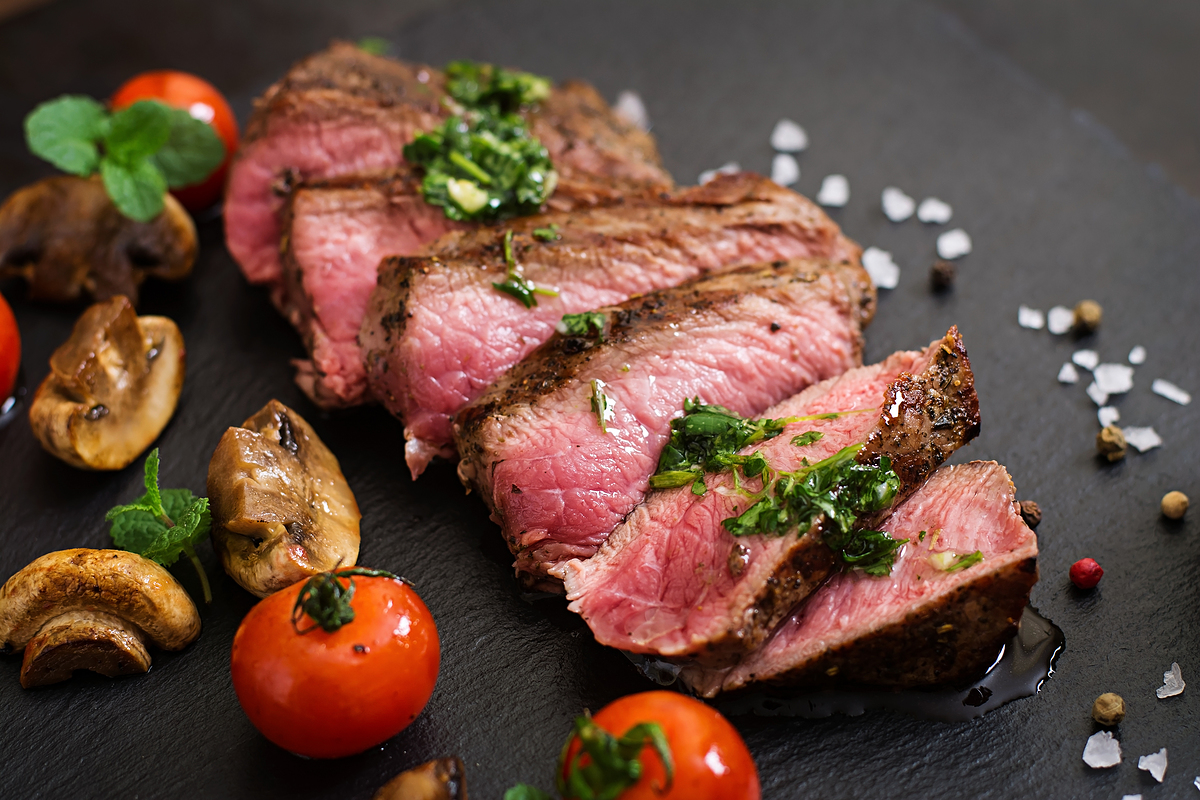
Fully clad 5-ply construction incorporates additional metal layers, providing superior heat retention and exceptionally even heating—ideal for searing steaks or slow braises. However, 5-ply pans are noticeably heavier and more expensive. Because the added weight can strain the wrist, home cooks should choose based on their daily habits and physical comfort rather than price alone.
Removing the Black Polishing Compound: The Critical First Wash
When wiping a brand-new stainless-steel pan, a mysterious black residue often rubs off onto paper towels. This is a polishing compound used to finish the metal surface during the manufacturing process, and experts emphasize that it must be thoroughly removed before your first meal.
The most effective method is to apply cooking oil to a paper towel and vigorously wipe the interior, the rim, and the handle joints several times until no black residue remains. Follow this by washing the pan thoroughly with dish soap. As a final step, boiling a mixture of water and vinegar in the pan once is widely recommended to prepare the surface. Home cooks should avoid scrubbing with harsh steel wool pads or using chlorine-based cleaners, as both can permanently damage the metal surface.
Material Labeling Matters More Than the Country of Origin
Driven by competitive pricing, an increasing number of stainless-steel pans manufactured in China have entered the market. Experts clarify that a pan's country of origin is far less important than confirming it uses certified food-grade stainless steel. For domestic purchases, buyers should prioritize reviewing the official food-contact safety markings and material disclosures.
If a product clearly certifies the use of grade 304 or 316 steel and provides transparent manufacturing data, a budget-friendly option can perform beautifully. Conversely, ultra-cheap products lacking clear material specifications should be approached with caution. Since many premium brands also rely on overseas manufacturing, developing the habit of checking quality-control standards and metal grades is the smartest strategy.
Master the Preheat: How to Keep Food From Sticking
The single biggest hurdle for first-time users is improper preheating. Adding oil and ingredients immediately—as one would with a nonstick pan—causes eggs, fish, and meats to bond tightly to the metal, driving many frustrated cooks to abandon stainless steel altogether.
Experts explain that preheating is half the battle. To find the right temperature, heat the pan over medium heat, then drop a small splash of water onto the surface. If the water beads up and rolls around smoothly like a marble, the pan is perfectly preheated. At that moment, add your oil, let it heat briefly, and introduce your ingredients to ensure a naturally slick, nonstick surface. Any rainbow-colored discoloration or white water spots that appear after cooking are harmless reactions to heat and tap water minerals, and they can be effortlessly erased with a splash of vinegar or citric acid.