In humid summer weather with temperatures frequently topping 30°C, children can end up drenched in sweat after even brief outdoor play. This season also brings a surge in summer insects, making children easy targets for mosquitoes and bugs.
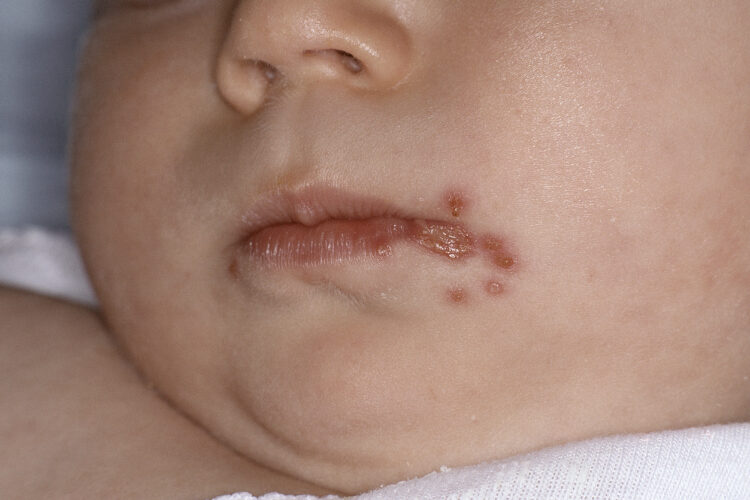
When red spots or tiny blisters appear on a child’s skin, parents often mistake them for routine heat rash or minor insect bites. However, if these lesions gradually spread, begin to ooze, and form distinct yellow crusts, pediatricians warn that the culprit may be impetigo.
Impetigo is a highly contagious bacterial skin infection that commonly spikes among infants and toddlers during the summer months. Also known as pyoderma, the condition typically takes hold when bacteria enter the body through tiny wounds, insect bites, or scratched areas of the skin—a vulnerability exacerbated by summer humidity and excessive sweating.
The infection usually begins as small blisters or red spots on the face, particularly around the mouth, or on the arms and legs. As these blisters rupture, they leak fluid and develop a thick, characteristic yellow crust.
"Impetigo is highly contagious," warned Choi Yong-jae, chair of the Korean Association of Pediatric and Adolescent Hospitals and Clinics and director of Uijeongbu Tunteun Children’s Hospital. "It spreads easily among children in group environments like day care centers and preschools, so heightened caution is necessary."
Transmission occurs rapidly through direct skin-to-skin contact or by sharing contaminated items like towels and bedding. "For siblings living in the same household, it is critical to use separate towels and clothing, and to enforce thorough handwashing," Choi stressed. To prevent wider outbreaks, infected children should temporarily stay home from day care, preschool, and public swimming pools until the condition clears.
A major trigger for the infection is the cycle of scratching insect bites. When children repeatedly scratch mosquito or bug bites, they damage the skin barrier, creating a perfect entry point for bacteria to colonize and progress into full-blown impetigo.
Treatment paths vary by severity. For mild, isolated cases, topical antibiotic ointments may be enough to clear the infection. "However, if the lesions spread rapidly, produce significant pus, or are accompanied by a fever, pain, and severe swelling, the child needs to be evaluated at a hospital," Choi advised.
While scarring from impetigo generally resolves with timely medical care, delayed treatment or aggressive scratching can leave behind long-lasting hyperpigmentation or permanent scars. If a child has healing lesions, parents should bathe them regularly to keep the skin clean but strictly avoid harsh scrubbing or vigorous exfoliation.
"Impetigo is a very common childhood skin condition, but its contagious nature makes early and appropriate medical intervention vital," Choi said. "If you notice yellow crusts or blisters forming on your child’s skin, do not touch or pick at them. Visit a nearby medical facility that provides pediatric care promptly to receive an accurate diagnosis and treatment plan."