As the human body ages, metabolic shifts cause fat to accumulate far more easily around the midsection—a phenomenon often colloquially referred to as a "tadpole belly." Because visceral abdominal fat strains cardiovascular and metabolic health, consistent long-term management is critical. Substantially reducing refined carbohydrates and added sugars while integrating highly satiating whole foods into your daily routine is essential for managing belly fat.
Here are six functional foods that can be highly useful for controlling and reducing abdominal fat.
Celery Boosts Satiety with Minimal Calories
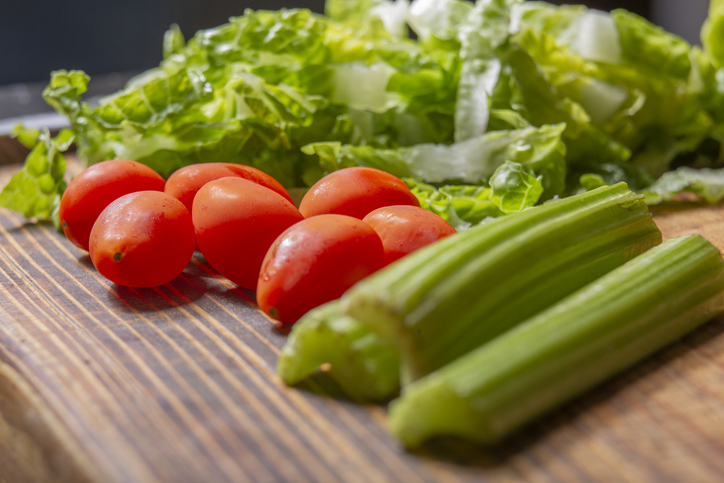
Celery is an exceptional dietary staple due to its high water content, dense dietary fiber, and remarkably low calorie count. Because it requires significant chewing, it naturally slows down the pace of consumption, which aids in portion control and prevents overeating. Additionally, it delivers an array of essential nutrients, including vitamin C and calcium, making it an excellent addition to fresh salads or an ideal standalone snack.
Tomatoes Aid Hydration and Sodium Excretion
Boasting an exceptionally high water content, tomatoes effectively quench systemic thirst and curb the urge for unnecessary snacking. They are particularly rich in potassium, a critical mineral that assists the body in excreting excess sodium, thereby reducing fluid retention and bloating. Tomatoes also provide a wide range of vital vitamins and potent antioxidant compounds such as lycopene.
Fiber-Packed Apples Prevent Overeating
Apples serve as a premier option for healthy weight management, packed with dietary fiber that provides a prolonged sense of fullness from a relatively modest portion. The peel contains the highest concentration of the fruit's antioxidant compounds, meaning they are best enjoyed thoroughly washed with the skin intact. Consuming an apple as a mid-afternoon snack can effectively curb hunger and prevent overeating at evening mealtimes.
Cherries Deliver Potent Antioxidant and Anti-Inflammatory Benefits
Cherries are densely loaded with anthocyanins, a class of antioxidants known for lowering cholesterol and easing systemic inflammation. In addition to providing a balanced combination of hydration and dietary fiber, their natural sweetness offers a nutrient-rich, low-calorie alternative to processed desserts and high-calorie snacks.
Bananas Serve as a Convenient, Energizing Snack
Bananas are rich in potassium, magnesium, and essential B vitamins, making them a highly practical choice for a quick nutritional and energy boost. They offer a reliable, moderate sense of fullness between meals. Choosing a whole banana instead of processed chips or sweet pastries significantly reduces overall daily calorie intake while providing clean energy.
Low-Fat, High-Protein Shellfish Supports Vascular Health
Shellfish are naturally low in fat yet exceptionally rich in lean protein and essential minerals, making them highly effective for maintaining muscle mass and satiety. They contain healthy unsaturated fats and omega-3 fatty acids, which provide substantial benefits for cardiovascular and vascular health. Because they are highly versatile—fitting seamlessly into broths, steamed dishes, or seasoned salads—they can be easily integrated into a calorie-conscious diet without making the meal plan feel restrictive.