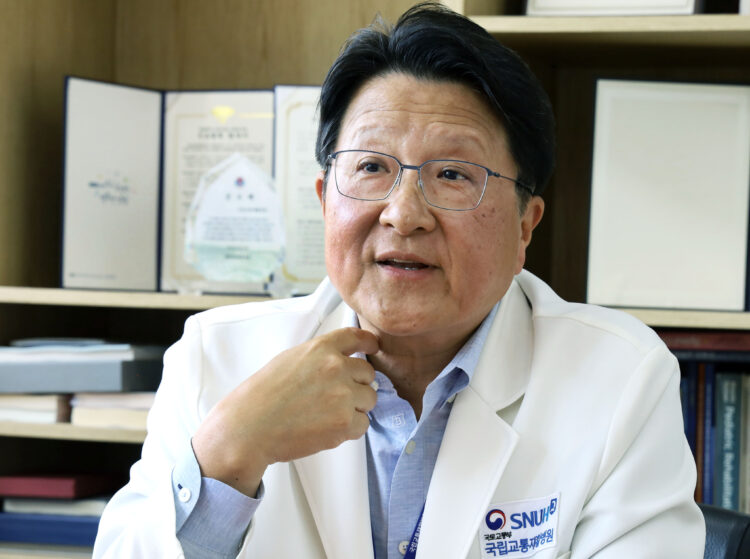
“Society as a whole needs to pay closer attention to the safety of baby boomers and the so-called 386 generation. Individuals must also become deeply mindful of their own physical limits.”
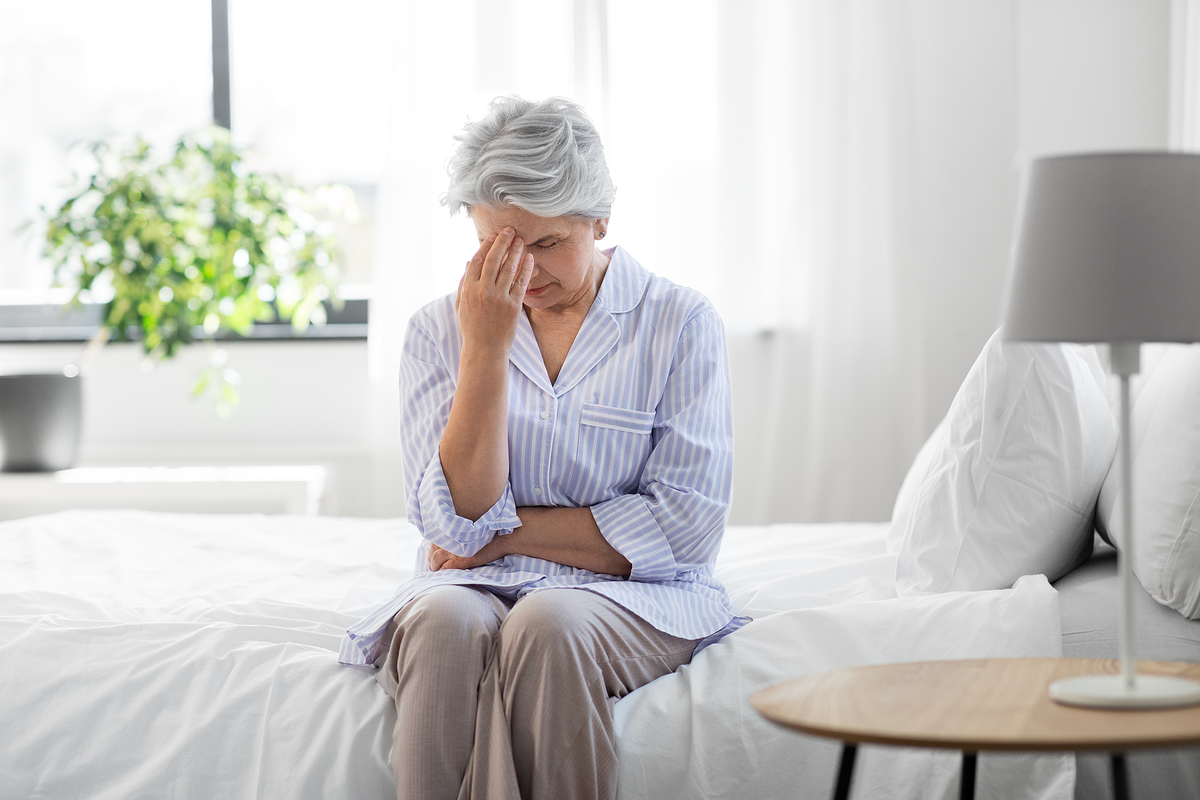
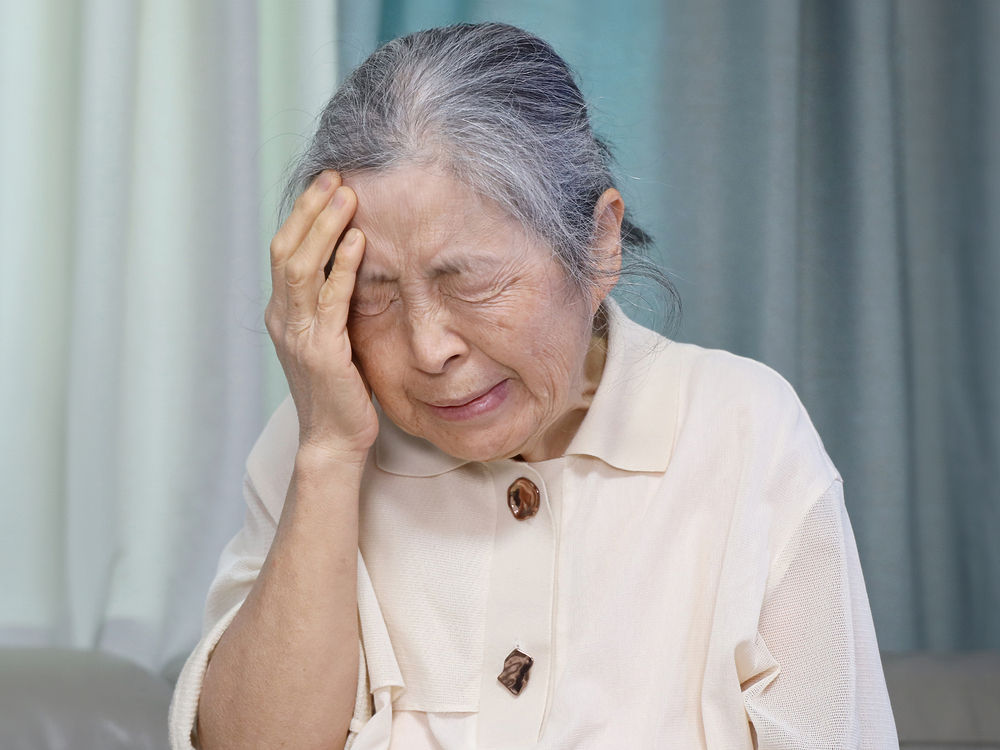
A cyclist who took a catastrophic fall during a club ride; a solo hiker who slipped on the rugged trails of Bukhansan; a homeowner trimming tree branches at a rural retreat; an older adult who lost their balance while awkwardly changing a ceiling light bulb; a senior who fell while painting and arrived at the hospital paralyzed from the neck down.
According to Bang Moon-seok, director of the National Traffic Rehabilitation Hospital, his institution now treats an influx of older patients whose severe injuries stem not from high-impact highway collisions, but from the ordinary rhythms of daily life and recreational sports. South Korea, he argues, has reached a critical tipping point that demands an earnest, coordinated national response to senior safety.
“Our country’s baby boomers were born into a developing nation, grew up wondering where their next meal would come from, and spent their youth working grueling, unending schedules—metaphorically described as a 'Monday-through-Friday-Friday-Friday' grind—before capping off their nights at mandatory corporate drinking sessions,” Bang Moon-seok explained. “For decades, structured sports and leisure were completely out of the question. Today, they overestimate their residual physical strength, push past their natural limits, and end up in devastating accidents.”
In South Korea, the term “baby boomers” typically refers to the generation born in the immediate aftermath of the Korean War through 1963, while the “386 generation” encompasses those born in the 1960s who spearheaded political and economic shifts in the 1980s. Despite minor age differences, both cohorts share a definitive cultural trait: they relentlessly drove their physical bodies to the breaking point to fuel the nation’s historic economic miracle.
“In other advanced economies, citizens enjoy active sports, leisure, and outdoor adventure during their youth, and gradually transition to quiet resorts or gentle hobbies as they age,” Bang Moon-seok observed. “In contrast, the vast majority of our seniors paid no attention to baseline physical fitness during their working years. They suddenly take up high-intensity sports in old age or attempt demanding physical labor that their physiology can no longer tolerate, making them incredibly fragile.”
Bang Moon-seok stresses that older adults must recognize that even minor lapses in everyday caution can trigger catastrophic, permanent functional impairment. When it comes to exercise, he advises that static strength training is significantly safer and more beneficial than dynamic, high-impact workouts that carry an elevated risk of acute trauma. He notes that for an aging population, resistance training is vastly superior to pure aerobic exercise for preserving long-term independence, but warns that any fitness routine becomes inherently hazardous without first building a solid foundation of basic physical conditioning.
If an unexpected, serious injury does occur, securing evidence-based professional rehabilitation immediately following emergency intervention is paramount to long-term recovery. Even if it requires returning to the specialized acute-care hospital where they were first treated, structured therapy is vital to mitigating permanent neurological or musculoskeletal aftereffects. Bang Moon-seok expressed deep concern that a troubling number of families in South Korea still bypass scientific rehabilitation in favor of unverified folk remedies—a high-stakes gamble that frequently exacerbates the patient's physical decline while rapidly exhausting household finances.
Addressing these individual habits, however, is only half the battle; the domestic rehabilitation infrastructure itself requires urgent systemic overhauls. Bang Moon-seok highlighted two critical policy failures currently bottlenecking patient recovery.
First, effective rehabilitation relies entirely on a highly coordinated team of nurses, physical therapists, and medical social workers, yet public health insurance reimbursement for their services remains dismally low. Social workers are tasked with navigating complex government programs, designing personalized home-transition plans, and securing insurance benefits for disabled patients, but their institutional compensation is shockingly inadequate. While Western healthcare systems leverage extensive social work networks to sustain senior wellness, South Korea's system operates under crippling financial limits.
Second, the government must implement tiered reimbursement rates for hospitals providing integrated nursing and caregiving services. Because rehabilitation demands meticulous, one-on-one attention, the current flat-rate caregiving reimbursement forces a single caregiver to manage multiple high-severity patients simultaneously just to prevent the hospital from operating at a loss. Consequently, facilities are economically incentivized to select only mild cases. Introducing a tiered system scaled to patient severity is the only way to alleviate the immense structural and emotional grief borne by families navigating sudden, severe disability.