Cancer cells that no longer respond to chemotherapy present one of the most formidable challenges in oncology. In a significant breakthrough, a South Korean joint research team has discovered a novel compound, named "PPS03," that selectively destroys liver cancer cells that have developed resistance to conventional chemotherapy.
The joint research team—comprising scientists from Yonsei University College of Medicine, Gangnam Severance Hospital, Bundang CHA Hospital, and Therapeutics NMC—announced on June 5th that clinical studies are currently being prepared to evaluate the compound's potential.
The Critical Threat of Drug Resistance
The primary goal of cancer treatment is to eliminate malignant cells before they metastasize to other organs. However, cancer cells frequently develop resistance to chemotherapy through various mechanisms. Genetic mutations can alter how cells react to drugs, or the cells may actively pump chemotherapy agents back out. In many instances, a dense protein barrier forms around the cancer cells, physically blocking the medication from reaching its target. When resistance develops, standard treatments lose their efficacy, allowing the cancer to proliferate and spread, ultimately worsening the patient's prognosis.
Exploiting Cancer’s Cellular Habits
To bypass these defenses, the South Korean research team pursued an innovative strategy based on a unique characteristic of metastatic cancer cells: unlike healthy cells, they aggressively absorb surrounding fluids. The newly discovered compound, PPS03, exploits this behavior to gain entry into the cancer cells. Once inside, it triggers a sharp increase in intracellular reactive oxygen species (ROS), inducing programmed cell death.
The researchers successfully verified the efficacy of PPS03 using liver cancer cells derived directly from actual patients. Even cells that had previously shown total resistance to standard chemotherapy drugs responded to the new compound.
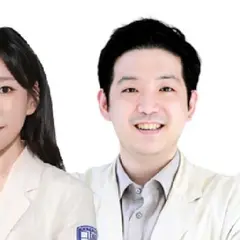
"PPS03 demonstrated remarkable effectiveness against chemotherapy-resistant cancer cells," said Lim Jin-hong, a professor in the Division of Hepatobiliary and Pancreatic Surgery at Gangnam Severance Hospital who participated in the study. "Importantly, laboratory experiments showed that it maintains relatively low toxicity toward healthy cells."
Because this research is currently in the preclinical stage using patient-derived cells, further verification through animal models and human clinical trials is required to confirm its safety and therapeutic value.
"We are actively preparing clinical studies to rigorously verify both the safety and therapeutic efficacy of PPS03," noted Park Ki-chung, a professor in the Department of Surgery at Yonsei University College of Medicine.
As chemotherapy resistance remains an immense hurdle in cancer care, the researchers plan to conduct extensive follow-up studies to determine if PPS03 can become a viable new frontline option for drug-resistant cancers. The team's groundbreaking findings were published in the latest issue of the international peer-reviewed journal Biomaterials.