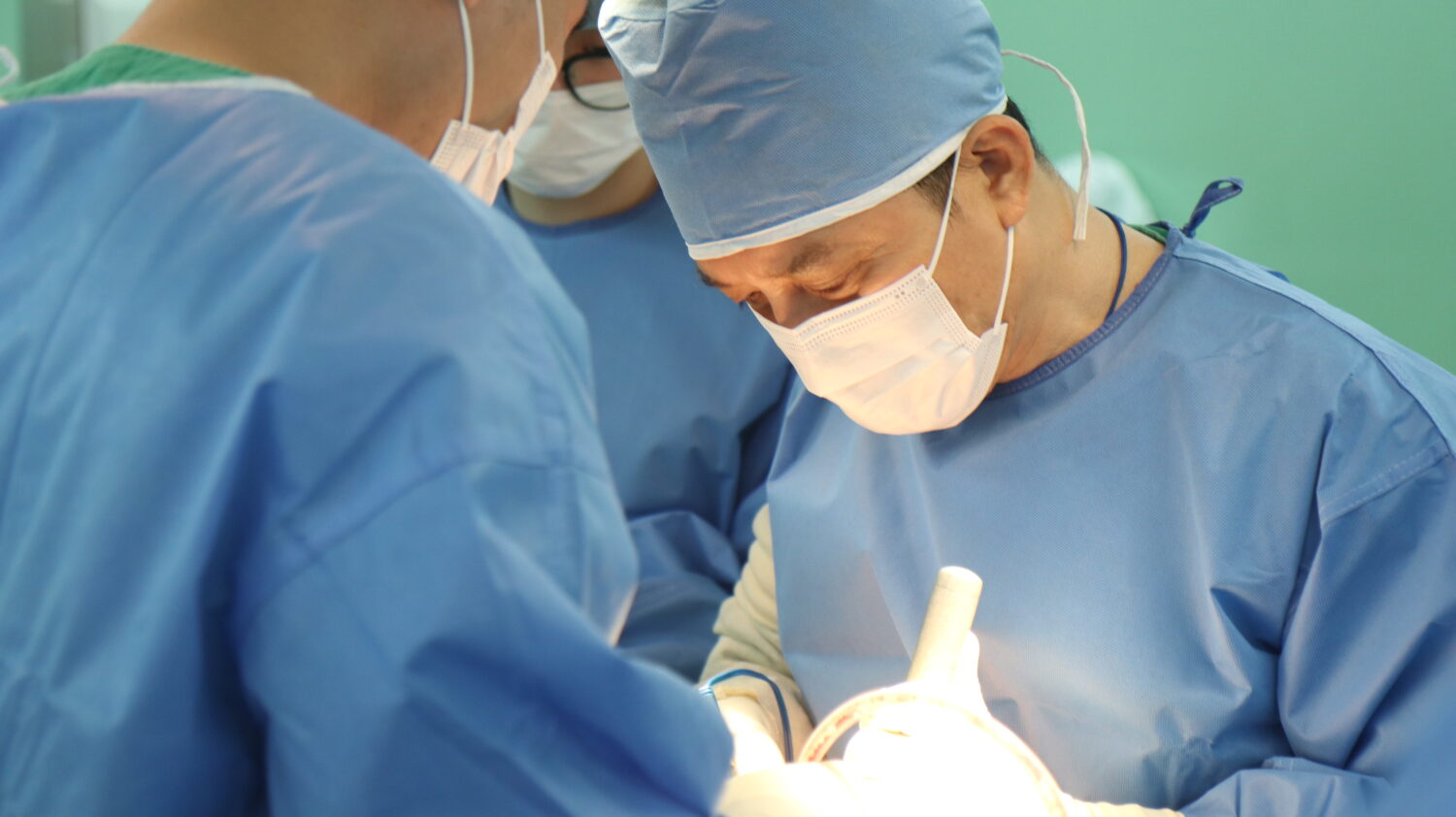
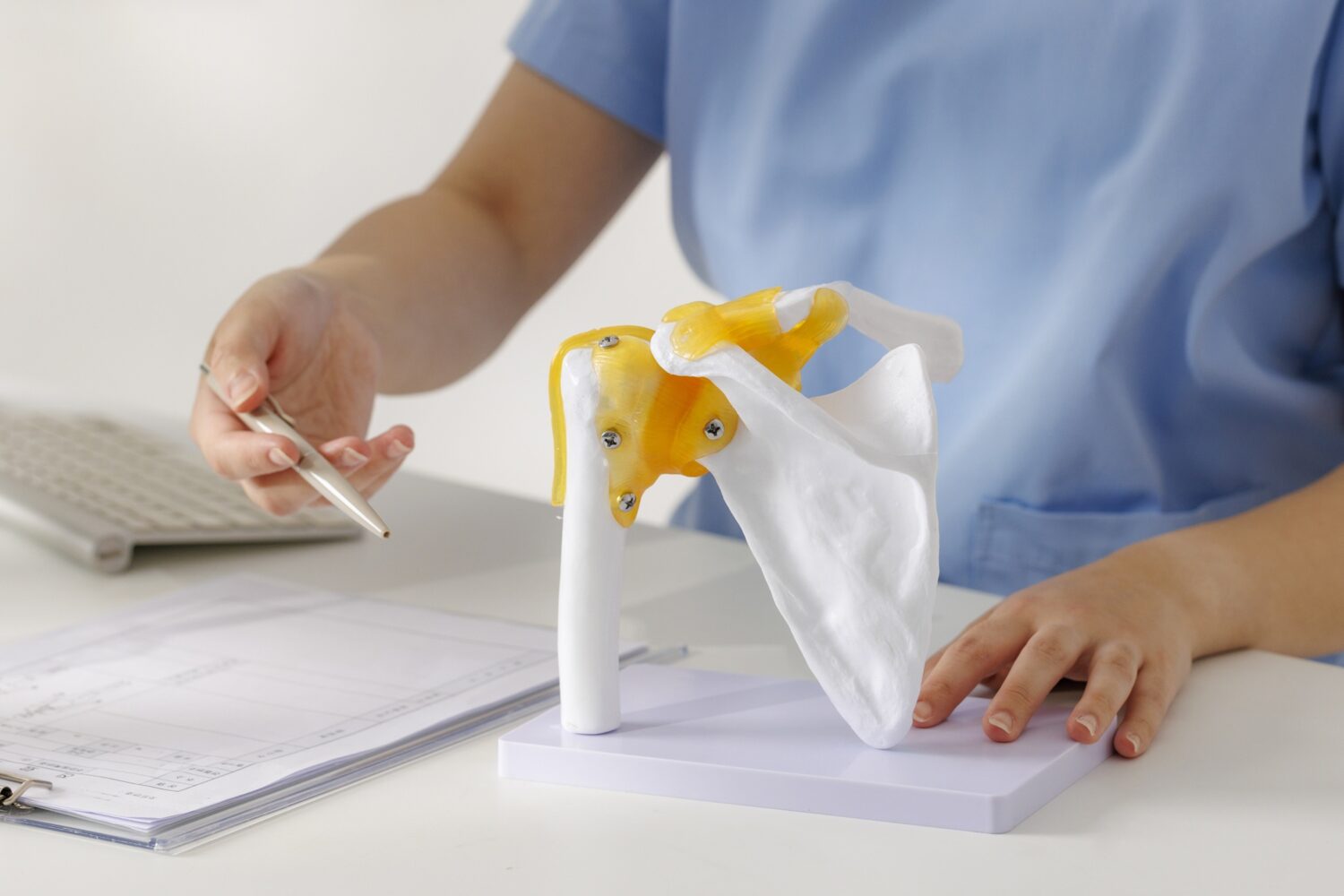
Surgery for cholecystitis or gallstones is no longer the exclusive domain of major university hospitals. Following the widespread adoption of laparoscopic surgery as the clinical standard, an increasing number of patients are opting for single-port robotic surgery, drawn by its ability to minimize incision sizes and enable highly precise intra-abdominal procedures.
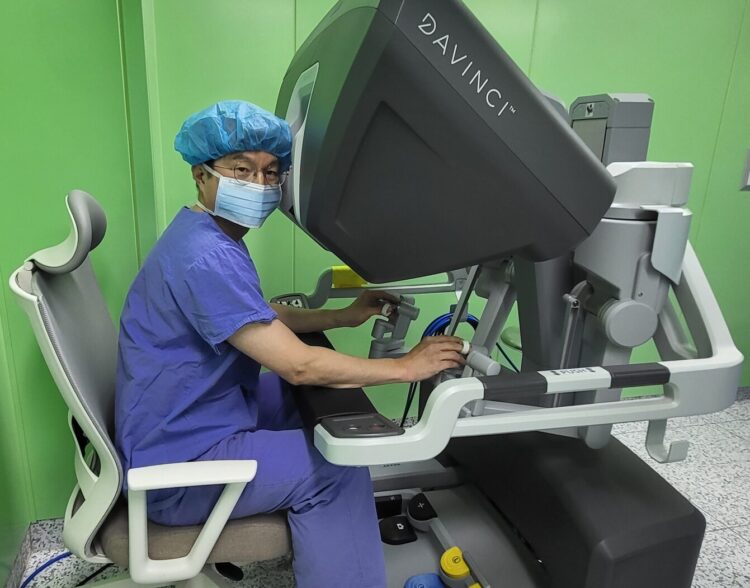
On Hospital in Busan announced on May 19 that Professor Kim Geon-guk of the Department of Hepatobiliary and Pancreatic Surgery has surpassed 200 cumulative robotic cases in just over a year, after performing his first robotic cholecystectomy in April 2025. The hospital added that this represents one of the highest individual case volumes utilizing the da Vinci SP system within the Busan–Ulsan–South Gyeongsang region.
Which Patients Underwent Robotic Cholecystectomy?
On Hospital analyzed the 202 robotic surgeries performed by Professor Kim Geon-guk from March 27, 2025, to May 15, 2026. The patients’ average age was 49, spanning a wide demographic from a 20-year-old to a 91-year-old.
The largest demographic consisted of patients in their 40s and 50s. There were 69 patients in their 40s and 55 in their 50s, accounting for 60.4% of the total. This concentration suggests that many working-age, middle-aged individuals chose robotic surgery after carefully considering factors such as scarring, pain, and recovery time. More than half of the total patients treated were women.
By clinical diagnosis, cholecystitis was the most common condition. Of the 202 cases, 162 were cholecystitis, accounting for approximately 80%. Gallbladder polyps accounted for 22 cases, followed by 18 cases involving other gallbladder conditions. While the vast majority of patients resided in Busan (179 patients), the cohort also included individuals from South Gyeongsang and Ulsan, as well as Seoul, Gyeonggi, Gangwon, and the United States. The average hospital stay lasted four days, though some patients were safely discharged after just two days.
Can It Be an Option for Older Adults, Obesity, or Prior Surgery?
The clinical advantage of robotic surgery extends far beyond simply offering a smaller incision. Securing a clear operative field and performing precise dissection are critically important for patients who are elderly, suffer from obesity, or are suspected of having intra-abdominal adhesions due to prior surgeries.
According to On Hospital, successful real-world cases included a woman in her 50s with hypertension and a history of uterine fibroid surgery; a woman in her 40s who had neglected gallstones for years and was hospitalized with acute cholecystitis; and a severely obese man in his 40s with a history of thyroid cancer surgery. All of these patients were successfully discharged following their robotic cholecystectomies without any notable complications.
However, robotic surgery is not necessary for every patient with gallbladder disease, as standard laparoscopic surgery remains perfectly sufficient in many cases. From the patient’s perspective, it is essential to comprehensively evaluate the severity of acute cholecystitis, the location of the gallstones, any history of abdominal surgery, the degree of obesity, overall health status, and the financial cost burden together.
How Is Single-Port Robotic Surgery Different?
The da Vinci SP is an advanced single-port robotic surgery system that inserts all operating instruments through a single, small incision made at the navel. The surgical field can be magnified onto a high-definition 3D screen, allowing the robotic arms to move with extreme precision even within tight anatomical spaces while autonomously filtering out hand tremors.
For this reason, the system is highly beneficial in surgeries requiring meticulous identification and separation of blood vessels, bile ducts, and liver tissue surrounding the gallbladder. The tiny incision is also advantageous for reducing post-operative pain and minimizing visible scars, which has driven strong interest among office workers seeking a rapid return to daily life and patients concerned about cosmetics.
Professor Kim Geon-guk stated, "Robotic surgery serves as an excellent option when a highly precise approach is required for elderly patients, patients with severe obesity, or individuals where complex adhesions are anticipated due to prior procedures." He added, "We will continue to strengthen advanced regional surgical capabilities so that local patients do not feel compelled to travel to large hospitals in the capital area for gallbladder treatment."
Meanwhile, cholecystectomy is a representative moderate-complexity surgical procedure that a Comprehensive Secondary General Hospital should be fully capable of providing. For a regional hospital to accumulate substantial clinical data on these procedures carries meaning far beyond simply introducing new medical equipment; it provides tangible evidence that local patients can rely on when deciding whether they truly need to travel to Seoul or if they can be treated safely in their own community.