
Sung Han-bin of the K-pop group ZEROBASEONE (also known as ZB1) spoke about allergic rhinitis symptoms he said were triggered by “pollen” during an outdoor interview.
On the 15th, the group’s YouTube channel posted a behind-the-scenes video from a Zerose (ZB1 fan club) event held at Seoul Botanic Park. In the video, Sung pauses mid-interview as the wind picks up, appearing to hold back a sneeze. “I developed allergic rhinitis not long ago,” he said, then joked that fans were like flowers and that it was because “pollen is blowing around.”
The line was meant as a quip, but pollen and other outdoor conditions can aggravate allergic rhinitis symptoms. From spring through early summer, tree pollen levels rise. If irritation in your eyes and nose keeps coming back after spending time outdoors, it may be worth considering whether a pollen allergy is involved.
Pollen, when it enters through the nose, can show up as rhinitis symptoms
Pollen allergy is an allergic reaction that occurs when the body becomes overly sensitive after pollen enters the eyes or nose. When this reaction occurs in the nasal mucosa, it can lead to “allergic rhinitis” symptoms such as sneezing, clear runny nose, nasal congestion and nasal itching. If the reaction occurs in the eyes as well, it may be accompanied by itchy eyes, redness and tearing.

Different from a cold? Look for itching and recurrence
Pollen allergy can be mistaken for a cold because both can cause sneezing, runny nose and nasal congestion. Colds, however, often come with sore throat, body aches and a feverish feeling, and symptoms tend to change over time.
By contrast, pollen allergy often features clear runny nose, repeated sneezing, and itching of the eyes and nose. If your nose is running clear and your eyes or nose feel itchy, but you don’t have a noticeable feverish feeling or body aches, you may want to suspect an allergic reaction rather than a cold.
You should also pay attention to whether symptoms recur. If symptoms appear around the same time each year, or if your nose and eyes frequently feel uncomfortable together after visiting certain outdoor environments, it may point to a pollen allergy.

Allergic rhinitis, can it develop suddenly?
Allergic conditions occur when the body reacts to a specific trigger, and the antigen responsible differs from person to person. Some people react to pollen, while others are sensitive to house dust mites, mold, or pet hair and dander.
Sung said in another video that he developed rhinitis after going to the mountains with other members. Allergic rhinitis can begin even in people who previously had no symptoms. Discomfort that is barely noticeable in daily life can also become more pronounced after exposure to a particular environment, making it feel as if it “suddenly appeared.”
Especially in a high-pollen season like the one Sung described, if nasal symptoms keep recurring after visiting mountains or parks with lots of trees and grass, exposure to allergy-triggering substances in that environment may have played a role. Still, rather than immediately concluding pollen is the cause just because symptoms persist, it’s important to confirm—through medical care or testing—which antigen is affecting you.
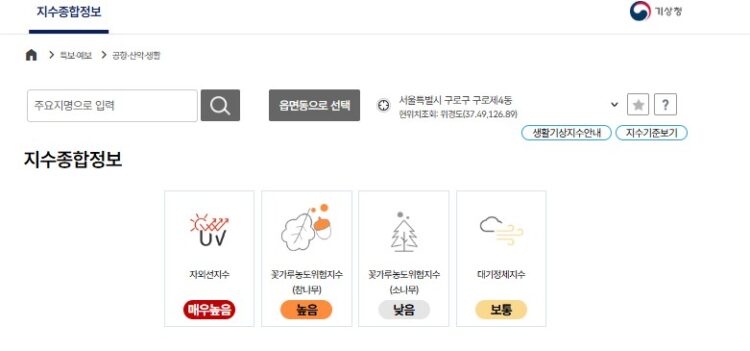
Before you go out, check the “Pollen Concentration Risk Index”
If you have a pollen allergy, it’s a good idea to check that day’s “pollen concentration” before heading out. Even in the same season, pollen’s impact can vary depending on the region, weather, wind and humidity. On especially windy and dry days, pollen can remain suspended in the air longer, so extra caution is needed.
One useful resource is the Korea Meteorological Administration’s Weather Nuri “Pollen Concentration Risk Index.” You can find it by going to “Index Information” under the “Airport‧Mountain‧Life” menu on Weather Nuri. Then, enter your eup, myeon or dong in the search bar to see the local pollen risk level. The index is provided in four levels: Low, Moderate, High and Very High.
On days when the index is “High” or above, try to reduce the amount of time you spend in places with lots of allergy triggers, such as parks or botanical gardens. If needed, bringing a mask, glasses and a hat can also help reduce direct exposure by keeping pollen from getting into your nose and eyes.