What is the most suitable fuel for the human body? The answer involves complex biochemistry, but a basic understanding is essential so you are not misled by those who disguise the worst diets as the best. I will explain this as simply as possible for non-experts.
Our bodies use two primary nutrients for energy: carbohydrates are the primary fuel, and fat is the secondary fuel. Carbohydrates, which are essential for human survival, are broken down into glucose during digestion. Glucose is easily converted into energy (ATP) within mitochondria—the cell’s energy-producing "factories"—making it the fuel humans instinctively prefer.
Why is glucose the body’s primary fuel?
The body uses glucose from food first. Any remaining glucose is stored—with the help of insulin—as glycogen, a short-term energy source, in the liver and muscles. Glycogen in the liver maintains blood glucose levels for basic life support, while glycogen in muscles is used during physical activity.
However, there is a limit to how much glycogen the body can store. Any excess is converted into triglycerides, a long-term energy storage form, and deposited in fat cells—raising body fat and leading to weight gain [1].
The brain accounts for only 2% of body weight but consumes about 20% of daily caloric intake. It is an extremely energy-demanding organ [2]. Because glucose is the brain’s vital energy source, blood glucose must be maintained above a certain level. If we do not eat for two to three days, blood glucose drops, and the brain cannot function properly, leading to serious issues like decreased consciousness. To prevent this, the body secretes glucagon from the pancreas, which converts stored glycogen back into glucose to raise blood sugar levels.
What emergency system kicks in when you cut carbs?
If carbohydrate intake remains absent and glycogen stores are depleted, the body recognizes an emergency and begins gluconeogenesis—the process of creating glucose from protein or fat [3].
During the first few days without carbohydrates, the body produces glucose using amino acids from broken-down muscle protein. However, because protein is crucial for survival, the body eventually activates a "protein-sparing effect" to preserve muscle mass [4]. It then begins ketogenesis, producing energy from triglycerides stored in body fat [5].
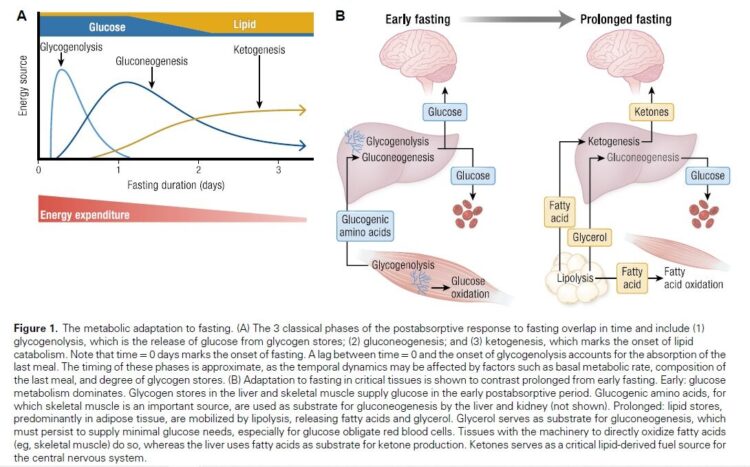
As triglycerides—composed of one glycerol molecule and three fatty acid molecules—break down, the glycerol is converted into glucose [6]. Fatty acids are converted into ketones (acetone, acetoacetate, and beta-hydroxybutyrate). Acetone is exhaled, often creating a distinctive "rotten apple" breath, while the other two substances serve as alternative fuels [7].
Under these emergency conditions, the energy system shifts so that ketones can cross the blood-brain barrier to fuel the brain [8]. Most organs, including the heart and kidneys, can use ketones. However, the liver and red blood cells cannot; they rely solely on glucose [9, 10]. Therefore, regardless of how much fat you consume, the body must continue gluconeogenesis to keep these vital cells alive.
Why weight drops rapidly on "Low-Carb High-Fat"
The reason weight seems to come off easily is simple. In a healthy 70 kg man, about 500 g of glycogen is stored in the liver and muscles. This equates to roughly 2,000 kcal, or one day's worth of energy [11].
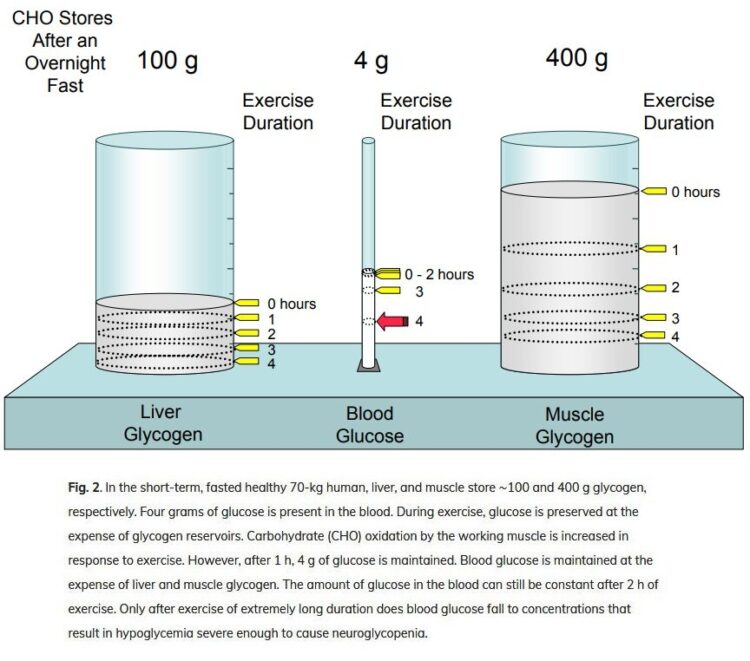
Crucially, storing 1 g of glycogen requires 3–4 g of water. This means the body’s normally stored glycogen actually weighs about 1.5–2.0 kg when hydrated. When you stop eating carbs and exhaust these stores, you automatically lose that weight [12]. Furthermore, ketones have a diuretic effect, causing additional water loss through the kidneys.
Is this true "body fat loss"?
If ketosis continues, the body keeps converting muscle amino acids into glucose to fuel the liver and red blood cells. Consequently, muscle is gradually broken down [13].
Many are satisfied when they lose 2–3 kg in the first week, but this is primarily water and muscle protein—not the excess body fat that should be the goal of a diet. Over time, the resulting side effects can significantly harm your health.
While this method makes for popular "commercial diet" content on YouTube and blogs, it is medically unsound. It is a "gimmick diet" where the lost weight is not fat. In Latin, the phrase Caveat emptor—"buyer beware"—warns us that scammers thrive wherever there is money to be made. In the world of health, knowledge truly is power.
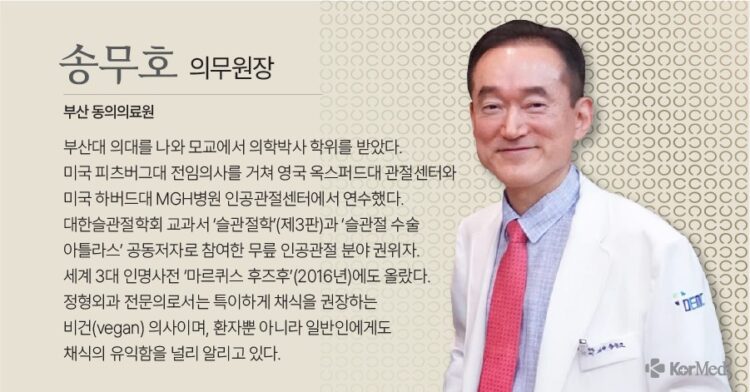
Song Mu-ho, MD, PhD, Specialist in Orthopedic Surgery and Lifestyle Medicine
References
1. M Dashty. A quick look at biochemistry: carbohydrate metabolism. Clinical biochemistry 2013;46(15):1339-1352.
2. ME Raichle, DA Gusnard. Appraising the brain's energy budget. Proc Natl Acad Sci USA 2002;99(16):10237-10239.
3. Y Schutz. Protein turnover, ureagenesis and gluconeogenesis. Int J Vitam Nutr Res 2011;81(2):101-107.
4. JA Vazquez, SA Adibi. Protein sparing during treatment of obesity: Ketogenic versus nonketogenic very low calorie diet. Metabolism 1992;41(4):406-414.
5. PK Fazeli, ML Steinhauser. A critical assessment of fasting to promote metabolic health and longevity. Endocrine reviews 2025;46(6):856-876.
6. Clinidiabet https://clinidiabet.com/en/infodiabetes/cardiodiabetes/15.htm
7. L Laffel. Ketone bodies: a review of physiology, pathophysiology and application of monitoring to diabetes. Diabetes/metabolism research and reviews 2000;15(6): 412-426.
8. P Mergenthaler, U Lindauer, GA Dienel, et al. Sugar for the brain: the role of glucose in physiological and pathological brain function. Trends Neurosci 2013;36(10):587-597.
9. Wikipedia https://en.wikipedia.org/wiki/Ketone_bodies
10. R Van Wijk, WW Van Solinge. The energy-less red blood cell is lost: erythrocyte enzyme abnormalities of glycolysis. Blood 2005;106(13):4034-4042.
11. MA Denke. Metabolic effects of high-protein, low-carbohydrate diets. American Journal of Cardiology 2001;88(1):59-61.
12. SN Kreitzman, AY Coxon, KF Szaz. Glycogen storage: illusions of easy weight loss, excessive weight regain, and distortions in estimates of body composition. Am J Clin Nutr 1992;56(1 Suppl):292S-293S.
13. KD Hall, KY Chen, J Guo, et al. Energy expenditure and body composition changes after an isocaloric ketogenic diet in overweight and obese men. Am J Clin Nutr 2016;104(2):324-33.