There is an old saying, “You send your daughter-in-law out in the spring sun,” reflecting a traditional belief that spring sunlight is deceptively harsh. Because the air remains cool and the sun does not feel as stinging or intense as it does in mid-summer, it is easy to underestimate UV exposure. In reality, this seasonal shift can significantly accelerate skin aging.
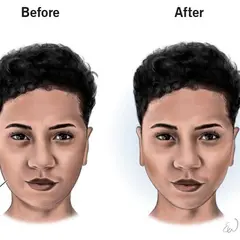
Experts warn that spring ultraviolet (UV) radiation is particularly problematic because it feels less irritating, leading many people to lower their guard. If neglected, this exposure contributes to the formation of dark spots, wrinkles, and a loss of firmness, making daily prevention essential.
Deep Penetration and the Stealthy Nature of UVA
While spring sunlight may feel gentler than the summer sun, Ultraviolet A (UVA)—the primary driver of photoaging—remains a constant threat. This radiation penetrates deep into the dermis, where it gradually degrades collagen and elastin fibers.
The danger lies in how unnoticed this process remains. Because UVA damage progresses without the immediate pain or redness associated with a sunburn, many individuals become complacent. Over time, however, this cumulative damage manifests as reduced elasticity and fine lines. Furthermore, UVA can penetrate standard window glass, necessitating protection even while indoors or during overcast weather.
Application Strategy: Timing and Quantity Matter
For effective protection, timing is as important as the product itself. Rather than applying sunscreen in a rush immediately before leaving the house, it is better to apply it well in advance. Allowing the product time to set ensures it adheres properly to the skin before outdoor exposure begins.
Using a sufficient amount is also critical. To achieve the level of protection indicated on the label, most people need to apply more than they expect. Instead of a single thin layer, applying the product in multiple thin passes or doing a thorough second pass can offer more reliable coverage for the face.
Consistency Through Reapplication and Cleansing
A single morning application of sunscreen is rarely enough to last the day, as sweat, sebum, and physical friction naturally wear the barrier away. As outdoor activities increase during the spring, experts recommend reapplying sunscreen every two to three hours. If frequent reapplication is impractical, making it a habit to apply a fresh layer after lunch can significantly reduce UV-related damage.
External irritants such as fine dust and pollen also peak during the spring. If left on the skin, these contaminants can trigger inflammatory responses that increase the likelihood of hyperpigmentation. It is important to cleanse the face promptly after returning indoors to remove these impurities. Cleansing should be thorough enough to remove pollutants and sunscreen residue but gentle enough to avoid further irritating the skin barrier.
Post-Exposure Recovery and Moisture
Skin exposed to UV rays loses moisture rapidly, which can weaken its natural barrier function. Without sufficient hydration at this stage, dryness can worsen, allowing wrinkles to form more easily.
After cleansing, it is vital to soothe the skin quickly using moisturizers or calming products. Consistent "recovery care," combined with proactive UV protection, is necessary to maintain a youthful complexion and slow the visible signs of skin aging.