As kidney cancer rates rise rapidly among the younger population, a large-scale study has found that nonalcoholic fatty liver disease (NAFLD) significantly increases the risk of the disease in adults in their 20s and 30s.
A research team led by Professor Park Joo-hyun of the Department of Family Medicine at Korea University Ansan Hospital announced on the 24th that NAFLD is a major risk factor. After following approximately 5.6 million Koreans aged 20–39 who underwent National Health Screenings between 2009 and 2012 for up to 12 years, the team found that those with NAFLD had a 1.46-fold higher risk of developing kidney cancer.
The risk was even more pronounced when combined with other health factors. When obesity and NAFLD were present together, the risk of kidney cancer jumped to as high as 2.12 times. Furthermore, the risk increased with the severity of the condition: moderate cases saw a 37% increase, while severe cases saw a 70% increase in cancer risk.
Nonalcoholic fatty liver is a condition where excessive fat accumulates in the liver despite little to no alcohol consumption. It is primarily caused by metabolic syndrome, including obesity, diabetes, and hyperlipidemia. According to the Health Insurance Review & Assessment Service, the number of patients in Korea surged 5.5-fold over 10 years, from 25,382 in 2014 to 138,811 in 2024.
National Cancer Registration Statistics from the Ministry of Health and Welfare show that kidney cancer cases reached 7,367 in 2023, a 67.7% increase from 4,392 in 2013. This growth significantly outpaces the overall cancer increase rate of 25.8% during the same period. Among those in their 20s and 30s, cases rose 76.4%, from 1,447 in 2013 to 2,553 in 2023.
The research team suggested that NAFLD may trigger kidney cancer through chronic inflammation, oxidative stress, and insulin resistance. The study found this association remained consistent regardless of the participants' age, sex, smoking status, or alcohol consumption..
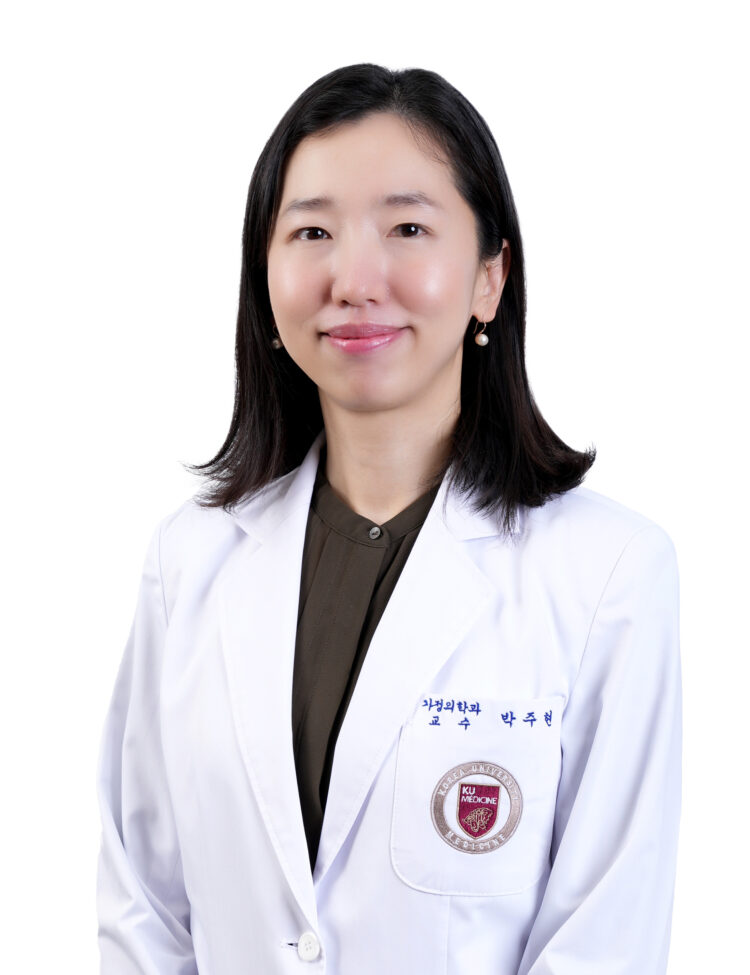
"Nonalcoholic fatty liver is a condition that can be managed through dietary improvements and exercise," said Professor Park. "Early detection and proactive management are key to reducing the risk of kidney cancer, which is increasingly affecting younger age groups."
The findings were published in Cancer Epidemiology, Biomarkers & Prevention, a journal of the American Association for Cancer Research.