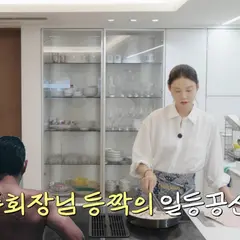
Choi Seok-jae, a professor of emergency medicine at Yeouido St. Mary’s Hospital, has expressed deep concern over the surging rates of colorectal cancer among young people.
Appearing on the YouTube channel "Knowledge Studio" to discuss metabolic health, Professor Choi Seok-jae highlighted a staggering trend: "Colorectal cancer is surging among people in their 20s and 30s." Data from the Health Insurance Review & Assessment Service supports this, showing that the incidence of colorectal cancer in this age group jumped 82% between 2020 and 2024.
While improved health screenings have led to earlier detection, Professor Choi Seok-jae emphasized that the primary driver is a deteriorating metabolic environment. "The most important factor is changes in the colon environment," he explained. "When we consume foods that are bad for the colon—such as processed meats, snacks, and sugary drinks—they wipe out beneficial bacteria." This allows harmful, putrefactive bacteria to thrive, often leading to leaky gut syndrome, where toxins enter the bloodstream and trigger systemic inflammation.
The Dangers of Ultra-Processed Foods and Carcinogens
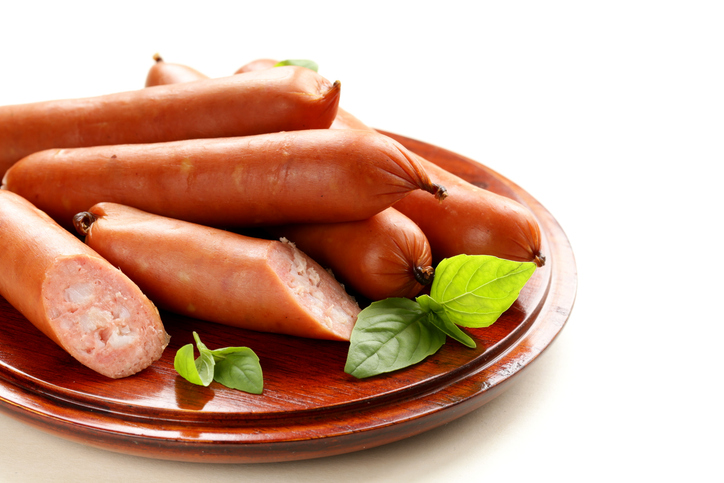
The consumption of processed meats and ultra-processed foods is a major risk factor for malignancy. The International Agency for Research on Cancer classifies processed meats, including ham and sausages, as Group 1 carcinogens. These products often contain nitrites that can convert into N-nitroso compounds (NOCs) in the body, causing DNA damage and mutations that lead to uncontrolled cell proliferation.
Ultra-processed foods, characterized by high sugar and refined carbohydrates and a lack of dietary fiber, further collapse the gut microbiome. Epidemiological studies indicate that increasing processed meat intake by just 50g per day can raise colorectal cancer risk by approximately 18%. The resulting imbalance in the gut microbiome creates a persistent pro-inflammatory state that facilitates cancer development.
Leaky Gut and Systemic Inflammation
Continuous consumption of these foods weakens the intestinal mucosa, increasing permeability. In a healthy gut, tight cell junctions block harmful substances; however, leaky gut syndrome allows bacteria and toxins to enter the bloodstream. This chronic inflammation repeatedly damages and regenerates mucosal cells, promoting the accumulation of mutations. The World Health Organization (WHO) identifies such persistent inflammatory states as a major factor in increasing colorectal cancer risk.
Prevention Through Fiber and Exercise
To combat these risks, Professor Choi Seok-jae recommends a diet rich in dietary fiber from vegetables, fruits, and whole grains. Fiber supports beneficial bacteria and reduces the transit time of carcinogens in the intestines. Conversely, it is essential to limit intake of sugary drinks, ultra-processed foods, and red or processed meats.
Physical activity is equally vital for prevention. Combining at least 150 minutes per week of moderate-intensity aerobic exercise—such as brisk walking or cycling—with strength training twice a week can activate bowel motility and support systemic inflammation reduction.