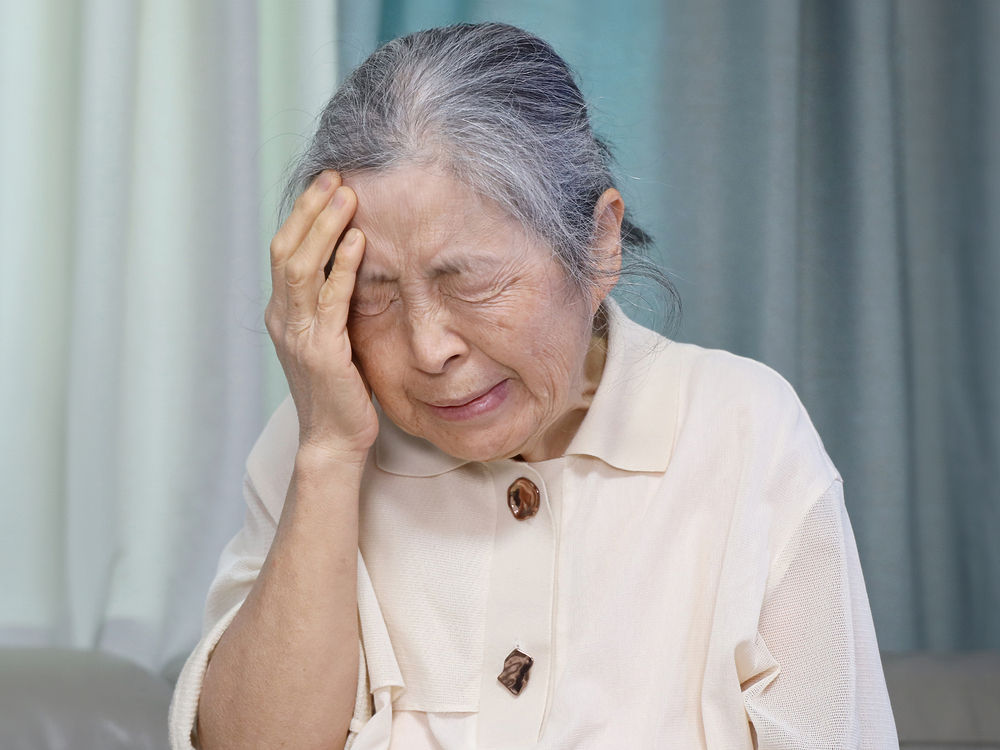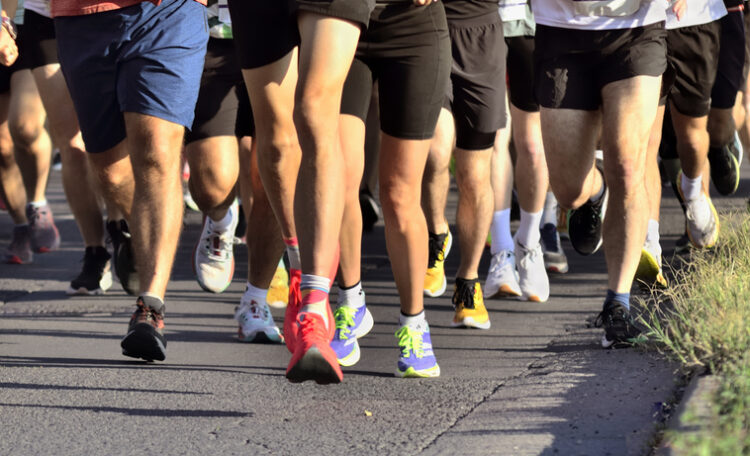
A significant number of people who engage in high-intensity exercise—such as marathons and soccer—suddenly complain of persistent calf pain. While many dismiss it as simple muscle soreness, a recent study suggests that if the pain is severe and localized, you should suspect a stress fracture (fatigue fracture), where repetitive strain causes tiny cracks to form in the bone.
Symmetrical Overload: The Risk of Bilateral Fractures
A research team at the University of Tsukuba in Ibaraki Prefecture, Japan, analyzed 14 cases of patients who presented with stress fractures or "stress reactions" (the inflammatory stage preceding a fracture) in both tibias (shinbones). The findings, published in the international journal JOS Case Reports, revealed that these bilateral fractures typically occurred in individuals who focused intensively on activities that place repetitive, symmetrical loads on the legs.
The fractures were predominantly located in the mid-portion of the tibia in both legs. This suggests that routine, high-intensity mechanical overload applied equally to both limbs is a primary cause.
Location Matters: Front vs. Back
The treatment for a tibial stress fracture depends heavily on the specific site of the injury:
Posteromedial (Back or Inner Side): These fractures generally respond well to conservative treatment, including rest and structured rehabilitation.
Anterior (Front): Fractures on the front cortex of the shin are more dangerous because they are less likely to heal spontaneously. In these cases, surgical intervention—such as the placement of an intramedullary screw—is often recommended.
Muscle Soreness vs. Stress Fracture: How to Tell
While muscle soreness typically fades after a few days of rest, a stress fracture has distinct characteristics:
Point Tenderness: Pressing on one specific spot with a finger causes sharp, intense pain.
Progression: Early on, it may only hurt during exercise. As it worsens, it can cause pain at rest or even wake you up at night.
Diagnostic Tools: Early-stage fractures are often invisible on a standard X-ray. If pain persists, an MRI or CT scan is necessary to confirm the condition.
Prevention and Recovery
Adolescents in growth phases and beginners who suddenly ramp up exercise intensity are at the highest risk. To protect your bones:
Increase Intensity Gradually: Allow bones time to adapt to new loads.
Focus on Equipment: Wear shoes with excellent shock absorption and replace them once the soles are worn.
Choose Better Surfaces: Run on urethane tracks or dirt paths rather than hard asphalt.
Cross-Train: If calf pain appears, pause high-impact activities and switch to low-weight-bearing exercises like swimming or cycling.
[Frequently Asked Questions]
Q1. Both calves hurt at the same time—could it be an issue with my shoes or insoles? A1. Yes. Bilateral fractures occur when symmetrical overload is placed on both legs. Worn-out athletic shoes or insoles that do not match your arch shape allow ground impact to transmit directly to the mid-portion of the tibias. If your exercise volume has increased recently, check your footwear for uneven wear.
Q2. I’ve been diagnosed with a stress fracture. Do I need to stay in bed entirely? A2. Not necessarily. While running or jumping is prohibited, low-intensity aerobic exercise like swimming or a stationary bike is encouraged, provided it is pain-free. This promotes circulation to support bone healing and prevents muscle atrophy.
Q3. For teenage athletes, why are these fractures so common in the summer? A3. This is usually due to a combination of high-intensity training schedules for summer competitions and mineral loss. Excessive sweating in hot weather can deplete calcium and magnesium. When nutrition is insufficient, bone breakdown outpaces regeneration, making the skeleton more vulnerable to cracks.