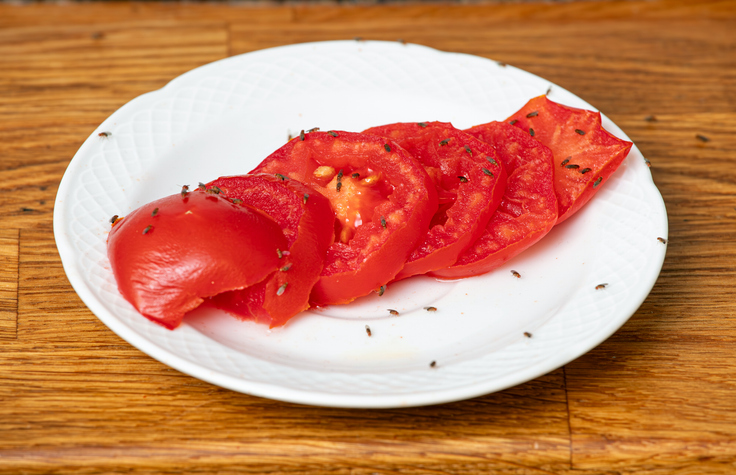
If you find yourself constantly battling fruit flies in the kitchen or bathroom despite frequent cleaning, the problem may be deeper than the surface. As temperatures and humidity rise, these pests thrive in the organic buildup found in sinks and drains. Here is how to eliminate them at the source.
Sanitize the Drain with Baking Soda and Vinegar
One of the most common insects found on bathroom walls is the moth fly (also known as the drain fly). These small, heart-shaped insects breed in the slime and organic material that accumulates in wastewater traps and filters. A single fly can lay between 30 and 100 eggs, which hatch within 48 hours. In apartment buildings, they can even migrate between units through the plumbing system.
The most effective remedy is likely already in your pantry: baking soda and vinegar. These ingredients break down the sticky organic matter where moth flies lay their eggs. When combined, an acid-base reaction occurs; the resulting fizzing action physically lifts contaminants from the pipe walls.
Maintain the Water Seal to Block Pests
It is also vital to check your drain’s water seal. Most plumbing is designed with a P-trap or S-trap, which holds roughly 5–10 cm of water in the curve. This standing water acts as a physical barrier, preventing sewer gases and insects from entering your living space.
If a bathroom goes unused for an extended period, this water can evaporate. If you notice a foul odor or a sudden influx of flies, run the water slowly to refill the trap. Keeping the drain stopper closed when not in use can also slow evaporation. A regular cleaning routine—performed one to three times a month—is generally sufficient to maintain a pest-free environment.
Kitchen Prevention: Traps and Rice Water Sprays
The kitchen is a prime breeding ground due to food waste and moisture. As food spoils faster in warmer weather, fruit flies multiply rapidly. To mitigate this, store all fruit in airtight containers and dispose of food waste immediately. Rinsing the sink with hot water daily and keeping the surrounding countertops dry will also discourage infestations.
If flies persist, you can create a simple trap using vinegar and sugar. Mix the two in a container, cover the top with plastic wrap, and poke small holes in the surface. The flies will be lured in by the scent but will be unable to escape.
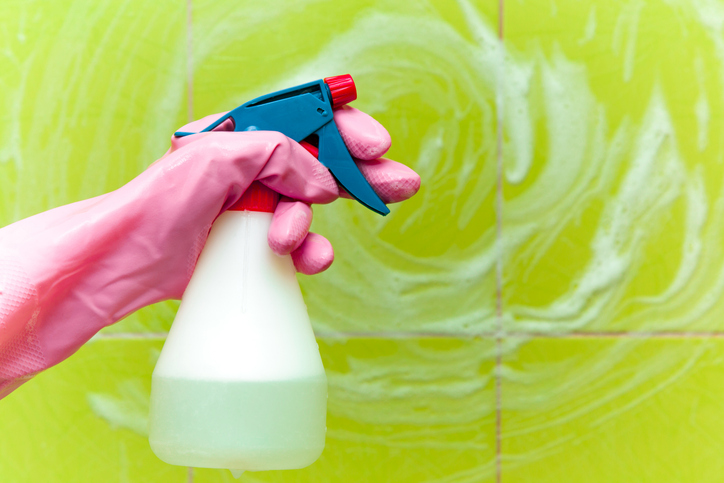
Additionally, using rice rinse water can be a helpful deterrent. Some suggest that rice rinse water possesses mild antibacterial properties. Transferring the water to a spray bottle and applying it to trash cans or sink areas can help reduce the number of flies appearing in high-traffic areas.