Rokit Healthcare is capturing significant market attention for its robust momentum. Its stock price has surged 50% over eight trading sessions, even as volatility on the KOSDAQ increased due to the conflict in Iran. Analysts attribute this rally to the commercialization of tissue-regeneration materials—developed through innovative platforms involving Artificial Intelligence (AI) and 3D bioprinting—and a highly successful round of foreign capital investment.
As of the market close on the 12th, Rokit Healthcare’s market capitalization reached KRW 1.5975 trillion, ranking it 29th among KOSDAQ-listed biotech firms. This marks a 49.8% jump from its KRW 1.0665 trillion valuation on the 27th of last month, just before regional tensions escalated.
Tangible Results in Regenerative Medicine
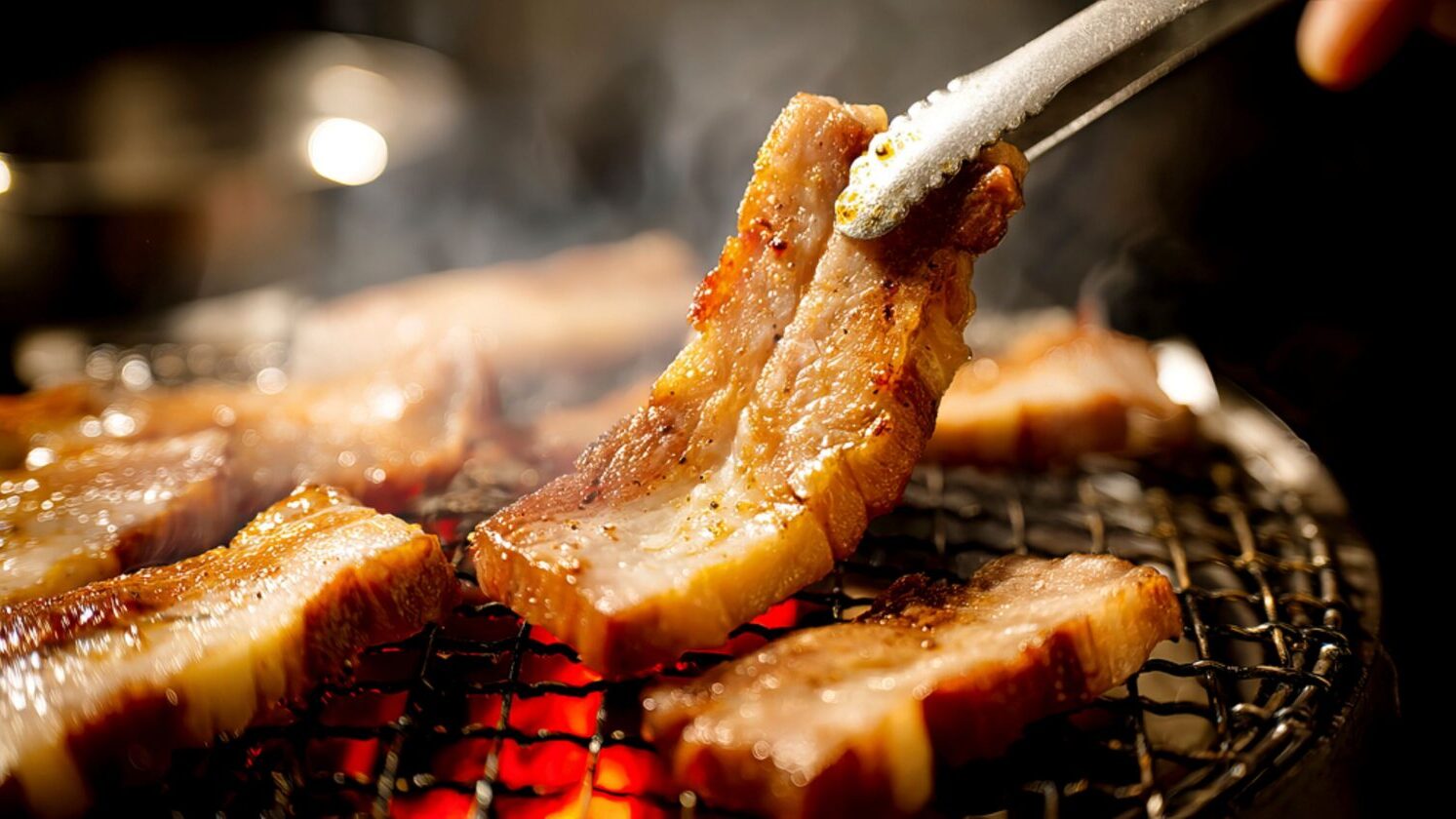
Rokit Healthcare operates a specialized regenerative treatment platform targeting high-risk conditions such as diabetic foot ulcers, skin cancer, cartilage damage, and chronic wounds. A primary example of its technology is a micro-fat patch produced via AI-based bioprinting, which has proven effective in repairing tissue damage caused by diabetic foot ulcers. The company has already secured sales agreements across 46 countries for this technology.
Since its KOSDAQ debut in May of last year, Rokit Healthcare has distinguished itself from typical drug-development biotechs by consistently meeting the performance targets set during its listing process. Last year, the company posted consolidated revenue of KRW 26.2 billion, surpassing the 2025 annual target of KRW 23.7 billion outlined in its initial securities registration. Revenue showed a steady quarterly climb throughout the year, rising from KRW 3.7 billion in the first quarter to KRW 9.6 billion by the fourth.
The company also achieved operational profitability last year. After recording an operating loss of KRW 5.5 billion in 2024, it generated approximately KRW 600 million in operating profit last year. While it reported a net loss of KRW 2.3 billion, the company clarified that this figure reflects accounting-based valuation losses from convertible bonds and will be resolved upon their conversion.
Global Validation and New Material Development
Market observers note that Rokit Healthcare avoided the broader market slump triggered by the Iran war thanks to timely business milestones. On the 10th, the company successfully raised KRW 62.5 billion in investment. Notably, overseas investors contributed 72% of this total (KRW 45.0 billion), led by Weiss Asset Management, Oasis Management, Pacific Alliance Group, and LMR Partners. Domestic institutions, including NH Investment & Securities, followed the international lead in what the industry is calling a "model case" of global validation.
Simultaneously, the company disclosed successful preclinical data for a microbial-derived natural compound aimed at treating hair loss. According to the company, the material increased the number of follicles associated with hair formation by 12.8% and improved follicle diameter—a key factor in hair thickness—by 4.8%. It also deepened follicle depth by 11.2%, which helps prevent shedding.
Unlike traditional oral treatments that work through vasodilation, Rokit Healthcare’s material focuses on improving the scalp environment. The company plans to advance to international markets following further evaluations using artificial-skin models and global human application studies.
Future Outlook and Structural Growth
"For diabetic foot ulcers, once clinical data from approximately 100 patients is accumulated, the company can pursue insurance reimbursement, which could lead to a significant structural increase in revenue starting in the second half of next year," said Lee-su Jung, an analyst at IBK Investment & Securities. However, Jung cautioned that "operating profit and loss volatility may widen due to ongoing clinical and R&D expenses."