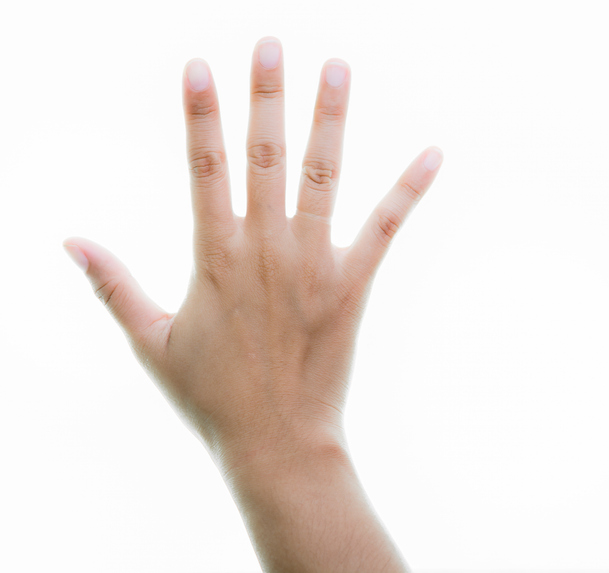
While palm lines are traditionally used in folklore to predict the future, a new scientific study suggests that the back of your hand may offer even more profound clues about your long-term health.
According to research published in the Journal of Clinical Endocrinology and Metabolism, a single photograph of the back of the hand can help identify acromegaly, a rare and potentially life-threatening hormonal disorder. Acromegaly is notoriously difficult to diagnose in its early stages; if left untreated, it can lead to severe systemic complications and reduce life expectancy by an average of ten years.
AI Outperforms Endocrinology Experts
A research team at Kobe University in Japan developed and validated an artificial intelligence (AI) model using hand photographs from 725 individuals across 15 medical institutions. Participants provided images showing both the back of a flat hand and a clenched fist. Approximately half of the subjects had been previously diagnosed with acromegaly.
The AI model demonstrated remarkable diagnostic precision. It identified patients with a positive predictive value of 0.88 and a negative predictive value of 0.93. Statistically, this means a positive result indicated an 88% likelihood of the disease being present, while a negative result was 93% accurate in ruling it out.
"When given the same photos, the AI model performed better than endocrinology experts," the researchers noted. "We were surprised that such high diagnostic accuracy could be achieved using only photos of the back of the hand and a clenched fist."
The Challenge of Gradual Symptom Progression
Acromegaly typically occurs when the body produces an excess of growth hormone, often due to a benign tumor on the pituitary gland. While it usually develops in middle age, its rarity—affecting an estimated 8 to 24 people per 100,000—makes it a low priority in standard screenings.
One of the earliest clinical signs is the enlargement of the hands and feet. However, because these physical changes occur so gradually, patients often fail to notice them. As a result, diagnosis is delayed by more than a decade in approximately one-quarter of all cases, allowing the disease to progress unchecked.
A Future for Comprehensive Hand-Based Screening
The success of this model has opened doors for wider applications. The research team plans to investigate whether AI can detect other conditions manifested in the hands, such as rheumatoid arthritis, anemia, and digital clubbing (often a sign of lung or heart disease).
"By further advancing this model, we expect to build a medical infrastructure that connects individuals suspected of having hand-related conditions with specialists during routine health screenings," the team concluded. This technology could eventually turn a simple smartphone camera into a powerful tool for early medical intervention.