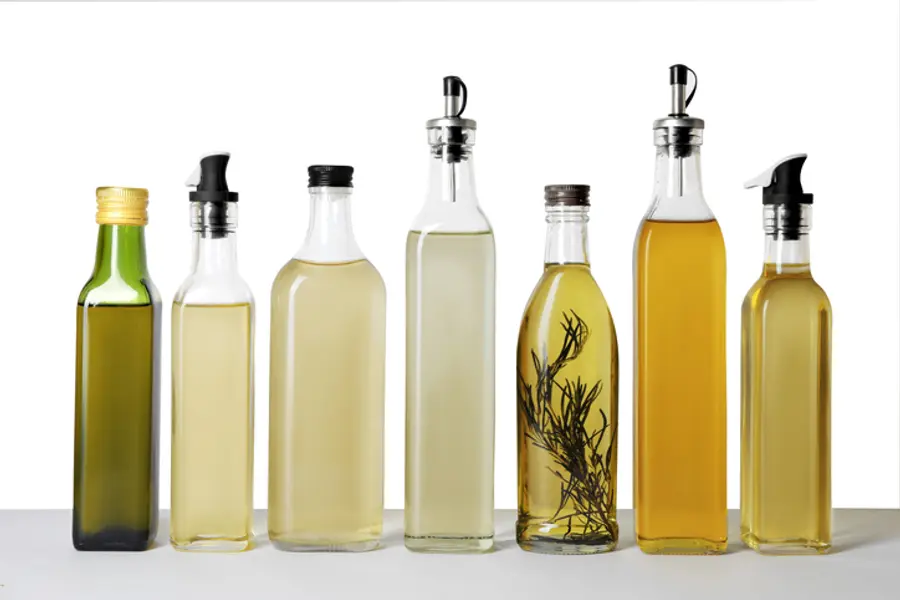
Cooking oil that has passed its expiration date or is left over from frying may seem like waste. However, from a different perspective, it can be a handy tool for solving common household inconveniences. Here are several practical ways to use it as a residue remover and a protective coating for your kitchen and garden essentials.
Removing Sticky Residue from Glass Jars
Cooking oil is highly effective at removing stubborn labels from containers. When peeling stickers off glass jars, adhesive residue often stays behind, creating a messy surface that attracts dust. To fix this, apply a small amount of oil to the area and wait. The oil causes the adhesive to swell, allowing you to easily scrub away the sticky residue with a sponge.
Extending the Lifespan of Wooden Utensils
You can use cooking oil to help wooden spoons, spatulas, and other utensils last longer. Over time, wooden tools lose moisture and their surfaces become rough. Applying a thin layer of oil creates a protective coating that revives the wood's luster and makes the utensils more hygienic to use.
Removing Polishing Agents from Stainless Steel
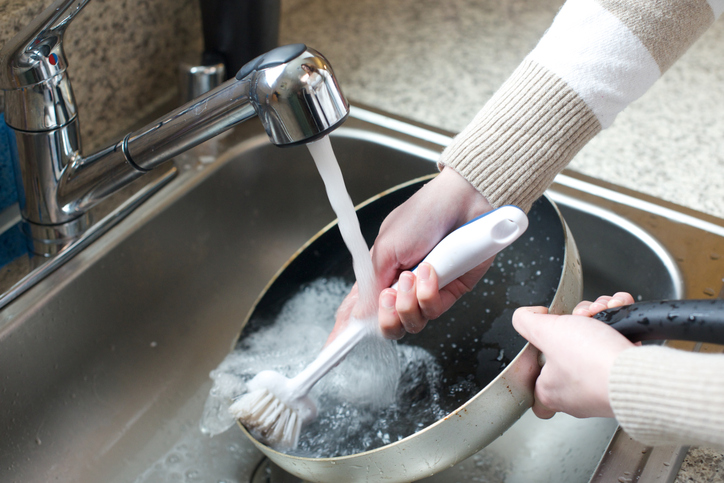
New stainless steel cookware often has a black powder on the surface—a polishing agent used during the manufacturing process. These agents do not wash off easily with standard detergents. To remove them, dampen a paper towel with cooking oil and wipe the cookware thoroughly until no dark residue appears on the towel. Afterward, wash the item with dish soap as usual.
Preventing Cracks in Leather Products
Expired oil can prevent aging in leather items like shoes and bags. As leather grows older, it tends to lose its shine and crack. Wiping worn areas with a small amount of oil on a clean cloth allows the oil to penetrate and soften the material, providing a temporary shine. However, to avoid the risk of discoloration, it is best to test this on a less visible area. This method is most suitable for synthetic leather or as an emergency treatment.
Protecting Metal Gardening Tools from Corrosion
For home gardeners, cooking oil is a great way to maintain metal tools like shovels, hoes, and shears. These items corrode easily when they come into contact with moist soil. After cleaning off dirt, applying a thin layer of oil blocks air contact and prevents rust. Additionally, a coated shovel moves through the soil more smoothly, increasing your work efficiency.
A Note on Proper Oil Disposal
It is important to remember that oils—including olive oil and meat fats—are sensitive to temperature changes. Even if poured down the drain while warm, they turn into a gel-like substance upon contact with cold pipes, sticking to the walls and catching other food waste to form solid clogs. To protect your plumbing, always allow oils to cool and solidify before disposing of them in waste bags.