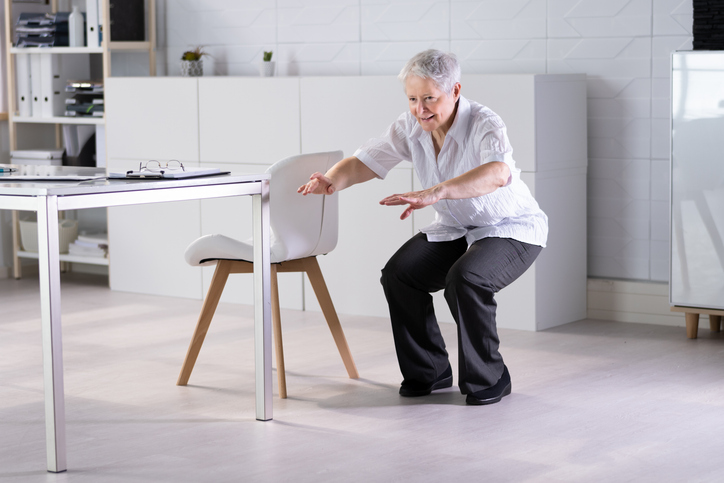
A targeted regimen of daily strength exercises and protein supplementation can significantly reduce the physical demands on caregivers in dementia wards. A new study reveals that this dual approach—combining simple movements with nutritional support—decreased the daily care time required for patients by an average of 28 minutes. This change is attributed to improvements in physical function, leading to a marked increase in the daily activities patients can perform independently.
Researchers from the Karolinska Institute in Sweden announced the results of an analysis of data from a randomized study called OPEN (Older Persons Exercise and Nutrition), targeting elderly residents in long-term care facilities. These results were published in the international journal Alzheimer's and Dementia under the title, "Impact of an exercise and nutrition program on caregiver time with residents in institutional care—A secondary analysis."
Significant Effects of Daily Exercise and Protein Intake Over 12 Weeks in Dementia Wards
The study targeted 102 individuals residing in eight nursing facilities in the Stockholm area. Among them, 52 in the intervention group performed "sit-to-stand" exercises multiple times a day for 12 weeks and consumed protein-enriched nutritional drinks twice a day. The researchers measured the time required for care in daily activities such as hygiene management, dressing, and mobility, comparing it to a control group.
When analyzing all participants together, no significant differences were observed between the two groups. However, when analyzed by ward type, a clear difference was confirmed specifically in the dementia ward. In these units, the average daily care time for the intervention group was 55 minutes, significantly less than the 83 minutes recorded for the control group. In contrast, no significant differences were observed in wards dedicated to physical illness.
Lead researcher Anders Wimo explained, "Residents in dementia wards may have had greater potential for improvement in physical function. As their physical function improved through exercise and nutritional supplementation, the activities they could perform independently likely increased."
Secondary Analysis and the Need for Caution in Interpretation
The researchers pointed out that elderly residents in long-term care facilities are at high risk for malnutrition, sarcopenia, and frailty. This not only leads to health deterioration but also results in a decline in quality of life and an increased care burden for staff. The existing OPEN study confirmed that the program positively impacts muscle mass, physical function, and nutritional status. This secondary study further analyzed whether those effects could lead to a reduction in actual "care time."
Because this study is a secondary analysis utilizing existing randomized data, care time was not originally designed as a primary outcome measure. Therefore, the researchers urged caution in interpreting the results, emphasizing that "future studies should set care time as a primary evaluation indicator and consider organizational factors such as staffing levels and work systems."
[Frequently Asked Questions]
What kind of exercise was performed? Multiple repetitions of the "sit-to-stand" exercise were performed throughout the day. It is a simple strength exercise that can be done with just a chair, without any special equipment.
How much protein drink was consumed? Protein-enriched nutritional supplements were consumed twice a day. This is a supplementation strategy aimed at maintaining muscle mass and improving nutritional status.
Is it effective for all dementia patients? This study confirmed the reduction in care time only in the dementia ward. No significant differences were observed in the physical illness ward, and caution is needed since this is a secondary analysis.