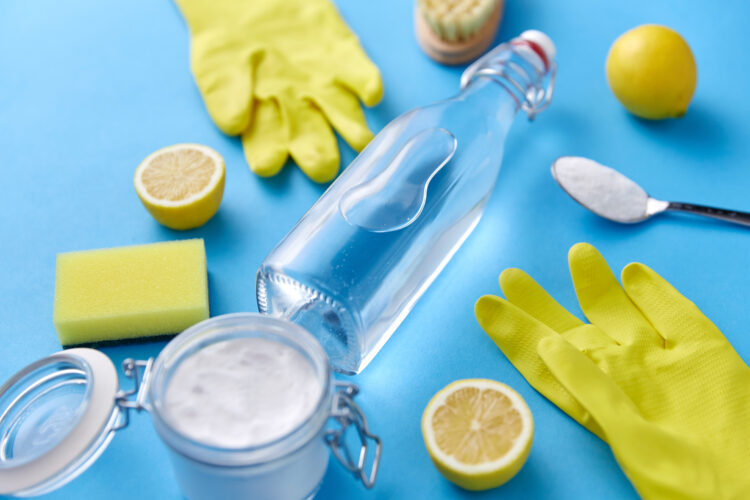
Vinegar is a staple that almost always occupies a corner of the kitchen, but using it only as a sour seasoning is a missed opportunity. The main component of vinegar, acetic acid, possesses natural deodorizing and cleaning properties that make it incredibly versatile for daily life.
However, vinegar is not a "one-size-fits-all" solution. Without the correct concentration and knowledge of surfaces, it can cause damage. For cleaning, regular brewed vinegar is sufficient; for drinking, it is best to choose natural fermented options like apple cider or brown rice vinegar with minimal additives. Here are 11 ways to utilize vinegar effectively.
1. Removing Kitchen Grease
To tackle grease splatters around the stove, mix vinegar and water in a 1:1 ratio. Spray the solution on the area and let it sit for 5 to 10 minutes before wiping. The acidity breaks down the fat. Caution: Avoid using this on acid-sensitive materials like marble countertops, as it can cause permanent discoloration.
2. Reducing Detergent Residue in Laundry
Adding a small amount of vinegar (less than 1/3 of a paper cup) during the final rinse cycle helps strip away detergent residue and neutralize odors. Once dried, the sour scent disappears. Crucial Safety Note: Never mix vinegar with chlorine bleach, as this creates toxic gas.
3. Deodorizing the Microwave
Place a heat-resistant cup filled with water and 2–3 tablespoons of vinegar in the microwave. Heat for 3–5 minutes until steam fills the interior. Keep the door closed for another 5 minutes to let the acidic steam neutralize odors. Afterward, simply wipe away any loosened stains.
4. Managing Drain Odors
Pour baking soda into the drain followed by vinegar. The resulting foaming reaction helps break down organic contaminants. Rinse with hot water after 15 minutes. To protect your plumbing, limit this treatment to once a week.
5. Disinfecting Cutting Boards and Dishcloths
Vinegar has mild antibacterial properties. While spraying it on a cleaned board can inhibit bacterial growth, it is not a substitute for high-level sterilization. After handling raw meat, you should still use boiling water or dedicated disinfectants for safety.
6. Washing Vegetables
Soaking vegetables in a diluted vinegar solution for less than 5 minutes can help remove surface contaminants. Do not soak longer, as this can lead to nutrient loss. Always finish with a thorough rinse under running water. Note that vinegar has limited effectiveness against pesticides.
7. Cleaning Fruits
For fruits eaten with the skin, such as apples or grapes, a brief vinegar soak followed by multiple rinses under running water is effective for removing foreign substances. Ensure no acidic residue remains on the fruit.
8. Deodorizing the Refrigerator
Placing a small cup of vinegar in the corner of the fridge acts as a natural odor absorber. Ensure it is placed where it cannot spill onto food. For better results, use it alongside a container of baking soda.
9. Preventing Cracked Eggs
When boiling eggs, adding one tablespoon of vinegar to the water helps egg whites coagulate faster if a shell cracks, preventing the "leaking" effect. Use only a small amount to avoid transferring the smell to the eggs.
10. Relieving Foot Odor
A 10-minute foot bath in lukewarm water mixed with a small amount of vinegar can alleviate odor. However, avoid this if you have open wounds or sensitive skin, as the acid can cause significant irritation.
11. Drinking for Health: Fact vs. Fiction
While some studies suggest drinking diluted vinegar can assist with blood sugar or weight management, the effects are often exaggerated. High concentrations on an empty stomach can erode tooth enamel and irritate the stomach lining. If you choose to drink it, dilute 1–2 tablespoons in at least one full cup of water.