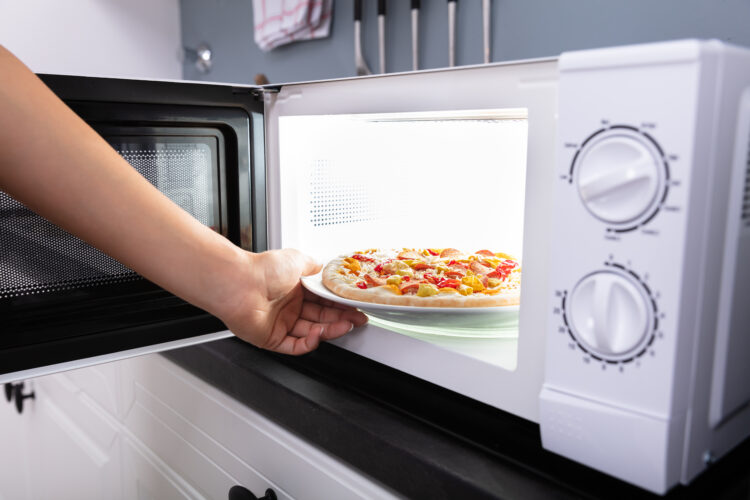
In our busy lives, microwaves are used like a "universal problem solver." From defrosting frozen foods to reheating leftovers, it’s done with just the push of a button. However, experts say, "Not all foods are suitable for the microwave." Incorrect usage can lead to not only nutrient loss but also safety issues.
In fact, food safety experts and nutritionists emphasize that when using a microwave, one must consider the structure of the food, moisture content, and fat composition. Certain foods can become unevenly heated during the cooking process, or their components can deteriorate, posing health risks. They explain that "the habit of heating food just because it’s convenient can actually degrade the quality of the food."
Eggs, Heating with Shells Can Cause Explosion Risks
Putting eggs with shells in the microwave is one of the dangerous actions. Inside the microwave, the moisture inside the egg expands rapidly, increasing pressure, and the shell may not withstand it and explode. Even after taking it out, there have been reports of eggs bursting as soon as they are held due to remaining internal pressure.
Boiled eggs or baked eggs are equally risky. Even though they are already cooked, if heated in the microwave, they can explode, easily contaminating the inside of the microwave. In fact, even if you peel off the hard outer shell and only heat the soft part, they often explode after reaching a certain temperature.
Greasy Fried Foods and Processed Meats, Oxidation Accelerates
Fried foods or processed meats like sausages do not heat evenly in the microwave. During this process, fat oxidation occurs rapidly, which not only diminishes flavor but can also burden digestion. Especially when repeatedly heating and cooling greasy foods in the microwave, fat oxidation progresses, altering taste and nutrition. Such foods are better cooked using methods that evenly distribute heat, like frying pans or ovens.
Heating Food in Plastic Containers, Concerns About Microplastics
One common mistake when using the microwave is heating food without checking the container. Plastic containers that are not labeled as microwave-safe can deform at high temperatures, and there is a high possibility that micro-chemicals will transfer to the food. This risk increases especially with greasy foods. It is advisable to transfer food to heat-resistant glass or dedicated containers before heating.
Heating Packaging and Greaseproof Paper, Fire Risks
It is not uncommon to put hamburger wrappers, bakery paper bags, or food wrapped in greaseproof paper in the microwave. However, regular paper can easily burn or catch fire at high temperatures in the microwave. Especially, paper that is stained with grease has an increased risk of ignition as it retains heat. In fact, many microwave fire incidents occur when paper packaging is placed directly inside.
Low Moisture Foods Become Hot on the Outside and Hard
Foods with low moisture, like bread or chestnuts, can become excessively hot on the outside while not heating evenly inside in the microwave. During this process, the texture can change rapidly, and some may burn or become hard. Experts advise that for such foods, natural thawing followed by using a toaster or pan is better for preserving both taste and texture.
While microwaves are undoubtedly convenient tools, they are not universal for all foods. Depending on what you put in, there can be significant differences in safety, nutrition, and taste. Developing the habit of thinking twice before mindlessly heating is the first step to maintaining a healthy table.