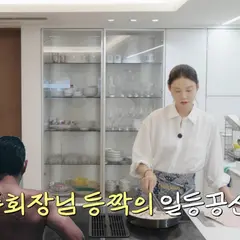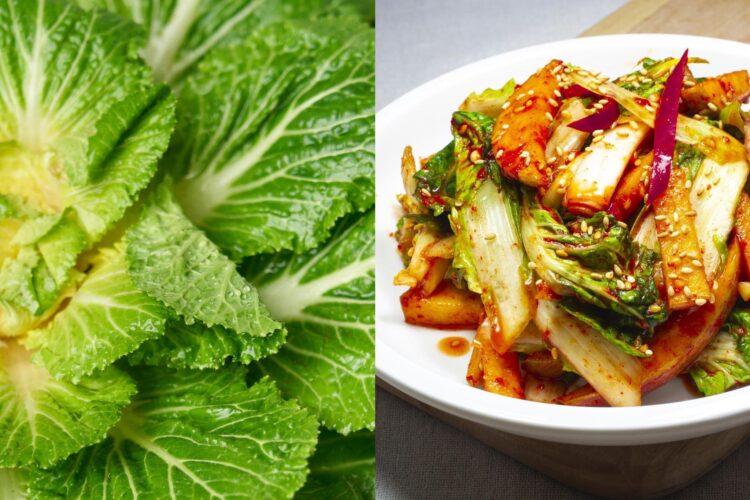
On a recent episode of the TV Chosun program Heo Young-man’s Food Travel, host Heo Young-man highlighted the unique appeal of seasonal winter vegetables. During a visit to a restaurant famous for its gondre (thistle) rice, a bomdong (early spring cabbage) salad served as a standout side dish. Heo Young-man praised the resilience of vegetables that endure the harsh winter frost, noting that this struggle creates a profound depth of flavor.
Bomdong, often referred to as "spring greens," actually develops its peak taste and nutritional profile by overcoming the mid-winter cold. A variety of Napa cabbage, bomdong is characterized by leaves that spread outward rather than forming a tight head, giving it a firmer texture than standard cabbage. As it grows against the biting winter wind, its moisture content decreases while its sugar concentration rises, resulting in a sweet, nutty flavor that intensifies with every bite.
Why They Peak Between November and March
The peak season for bomdong runs from November through March. Because these greens grow slowly in low temperatures, their leaf tissue becomes dense. To protect themselves from freezing, the plants accumulate natural sugars, which reduces bitterness and intensifies their inherent sweetness.
When temperatures drop below freezing, the flavors become even more concentrated. Unlike most leafy greens that wither in the cold, bomdong becomes crispier and more flavorful as winter deepens, making it a true cold-weather delicacy.
Boosting Immunity During the Winter Months
Bomdong is packed with Vitamin C and beta-carotene, essential nutrients for maintaining immune function and combating the fatigue and skin dryness common in winter. Incorporating these antioxidant-rich vegetables into your diet is an excellent way to ward off seasonal colds. Furthermore, their high potassium content aids in sodium excretion, helping to balance a winter diet that often includes salty stews and soups.
Best Served Raw for Maximum Nutrition
Because bomdong is naturally tender rather than tough, it is ideal for eating raw. Serving it in salads or lightly seasoned as a side dish (geotjeori) minimizes the loss of heat-sensitive Vitamin C. Its distinct flavor profile means it requires very little seasoning to taste delicious, making it a perfect ingredient for quick and healthy meal prep.
The Perfect Pairing for Meat
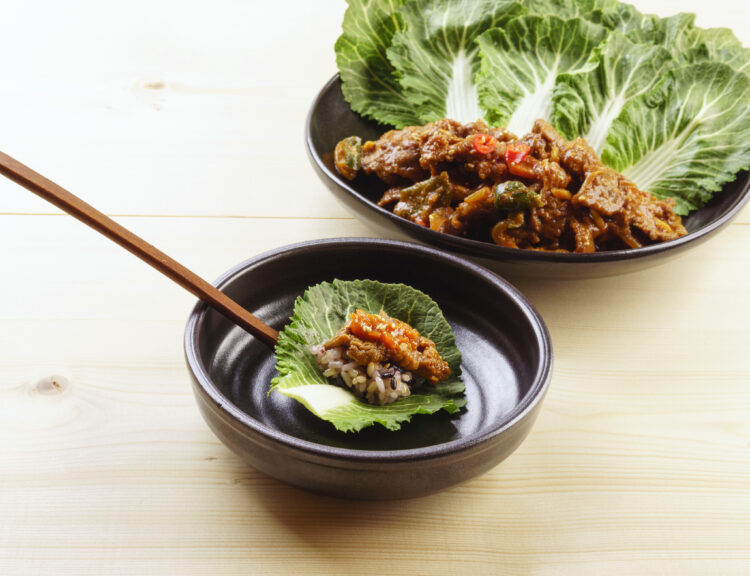
The wide, soft leaves of bomdong make it an exceptional "wrapping vegetable" (ssam). Its sweetness cuts through the richness of meats like pork belly or bulgogi, providing a refreshing balance to the meal. Using these greens as a wrap is a simple way to increase vegetable intake during meat-heavy winter feasts.
Selection and Storage Tips
Selection: Choose bomdong with firm, vibrant green leaves. Avoid heads with dry or browned outer leaves, as this indicates a loss of freshness.
Storage: To prevent moisture loss, wrap the unwashed greens in newspaper or paper towels and store them in the refrigerator.
Preparation: Wash the leaves thoroughly just before use to ensure you enjoy their full, crisp texture and aroma.