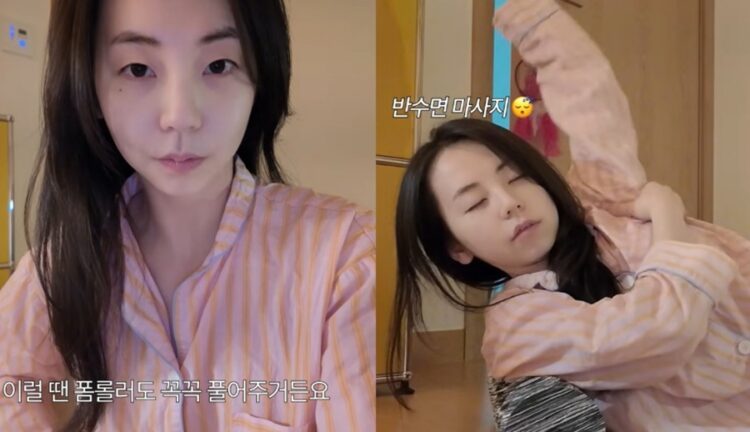
Ahn So-hee, a former member of the girl group Wonder Girls and now a successful actress, recently revealed her personal regimen for managing body swelling.
In a video titled “So-hee’s Daily Routine” on her YouTube channel, she shared her post-performance recovery. "After a theater performance, I take a refreshing shower and do some final stretching before bed," she explained. "On performance days, I put a lot of strain on my body, so I use a foam roller to relieve the tension."
Ahn So-hee demonstrated her routine, using the foam roller to massage her body from her ankles to her shins. "I carefully release tension in the hip joints and the psoas muscle," she noted, adding that "opening the hip joints is particularly effective for reducing lower body swelling." She also highlighted the importance of pressing a foam roller against her armpits to stimulate the lymph nodes.
The Science of Lymphatic Drainage: Why the Armpits Matter
The area Ahn So-hee targets in her armpits is a convergence point for several lymphatic vessels. Often referred to as the body’s "drainage system," the lymphatic system carries lymph—fluid containing waste products from cellular metabolism. The lymph nodes, which are shaped like kidney beans, act as purification centers. If lymph fluid stagnates, it can release toxins, leading to localized swelling, skin congestion, and inflammation.
Lymph nodes are distributed throughout the body, with high concentrations in the face, neck, armpits, abdomen, and groin. Because the lymphatic system lacks a pump like the heart, it relies on external physical stimulation and muscle movement to circulate.
The axillary lymph nodes (armpit nodes) serve as the primary drainage points for the arms, hands, and shoulders. Stimulating this area can alleviate swelling in the hands, heavy sensations in the arms after exercise, and fatigue caused by prolonged smartphone or computer use. These nodes also drain the outer chest and the tissue near the bra line, helping to reduce stiffness and puffiness in the upper body.
Note of Caution: Individuals with acute inflammation, infections, unexplained lumps, or known lymphatic diseases should avoid massage, as it may exacerbate symptoms. Those with blood clots (thrombosis), heart disease, or skin infections should consult a professional first.
Releasing the Hip Joint: The Key to Slimmer Legs
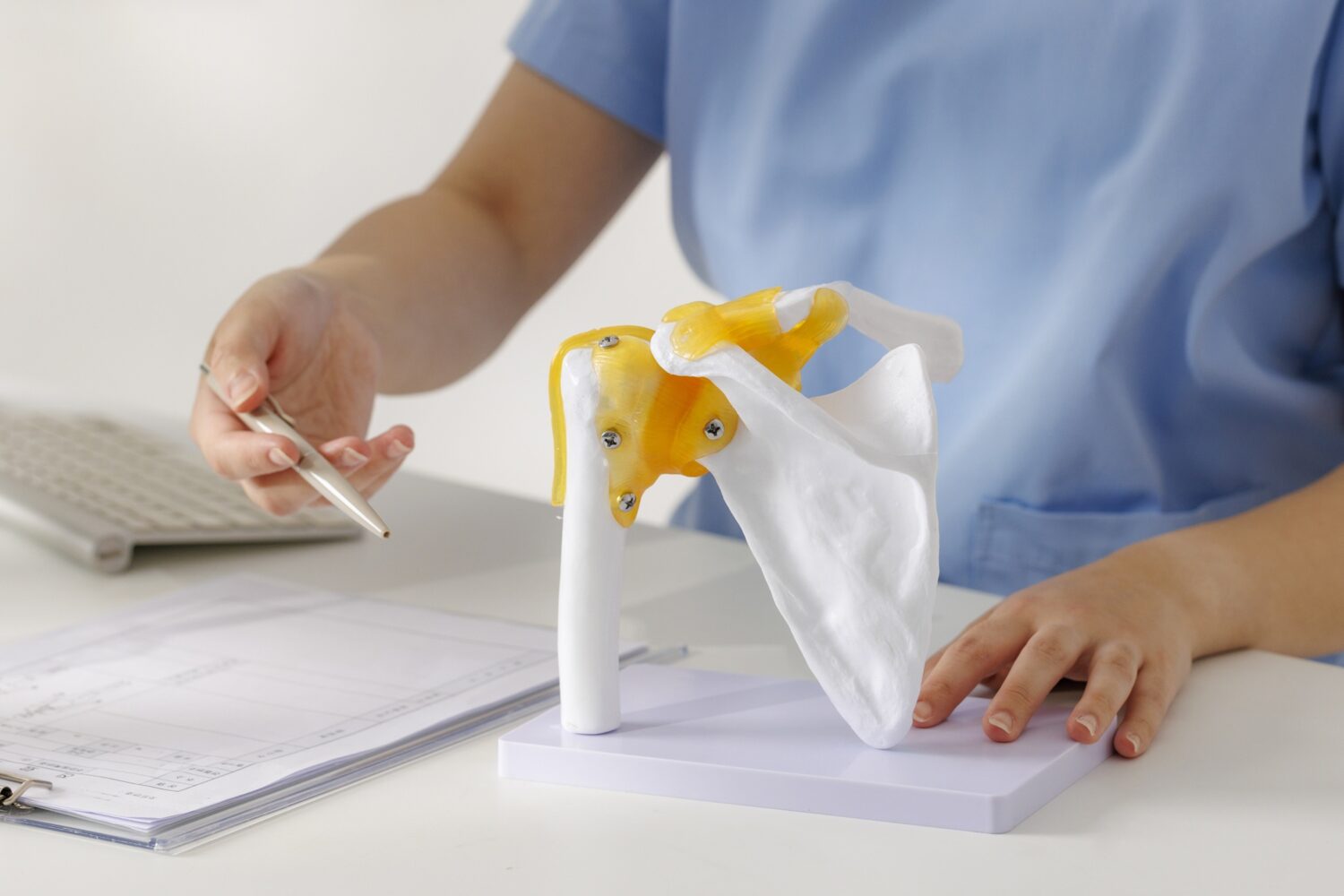
Ahn So-hee also emphasized stretching the hip joint and the psoas muscle. The hip joint is a critical weight-bearing joint connecting the pelvis to the femur (thigh bone). It is surrounded by a dense network of major blood vessels, nerves, and lymphatic channels. The psoas is a deep muscle that bridges the lower back, pelvis, and femur.
When the psoas muscle becomes tight or shortened, it restricts the hip joint’s range of motion. Massaging and stretching this area improves pelvic alignment and can alleviate lower back pain by reducing muscle tension.
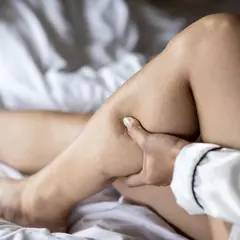
Crucially, the front of the hip joint acts as a "bottleneck" for fluid returning from the lower extremities. If the hip joint is stiff, lymph and venous blood from the legs can stagnate, resulting in swelling in the thighs, knees, and calves. Releasing the hip joint and psoas reduces this pressure, allowing fluid to flow upward against gravity and effectively slimming the lower body.