
Scarves and gloves are essential winter accessories. Especially in this extreme cold where the perceived temperature drops to -20 degrees, both adults and children need to pay attention to warmth. However, if scarves and gloves are not properly washed, various bacteria and dust can be exposed to the skin, harming health.
Scarves are easily contaminated by sweat and cosmetic ingredients from the neck
The neck and hands are areas that come into direct contact with the outside. Therefore, scarves and gloves are bound to collect contaminants. Scarves and gloves are mainly made from materials like wool or knitted fabric. While these materials are good for insulation, they easily attract dust and mites, and sweat can easily seep in. As skin flakes fall off, bacteria can also thrive.
In particular, gloves are inevitably exposed to various sources of contamination in daily life. Bacteria can easily transfer to gloves when holding handrails on public transport or opening and closing doors. The same goes for carrying shopping bags or using a mobile phone. If gloves are worn without washing hands, the inside of the gloves becomes contaminated.
While scarves may look clean at first glance, they are likely filled with bacteria and viruses under a microscope. Scarves can collect moisture and saliva droplets from breathing. This warm and humid environment is optimal for bacteria to thrive. Sweat, skin flakes, and cosmetics from the neck also contribute to contamination.
Gloves have 4 times more bacteria than a toilet
If you miss the washing cycle due to being busy or lazy, the risk of developing acne, dermatitis, atopy, and asthma increases. Unlike underwear or socks that are changed daily, scarves and gloves are often not washed until the end of winter.
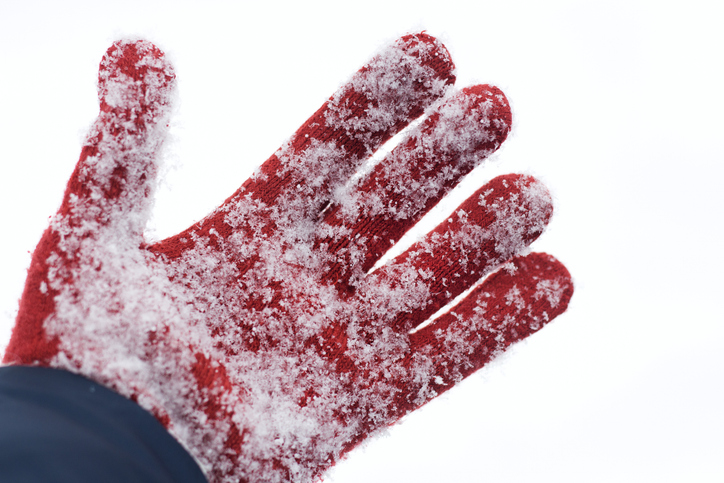
In fact, a study has shown that gloves have 4 times more bacteria than a toilet. A cleaning and restroom facility company in the UK analyzed the bacterial contamination levels of 50 pairs of gloves. The results showed that more than half of the gloves had high contamination levels of over 500 RLU (Relative Light Units). Some gloves exceeded 4000 RLU, which is higher than the average contamination level of 220 RLU for toilet seats. RLU is an indicator of contamination, with higher numbers indicating greater contamination.
What is the washing cycle for scarves and gloves?
To keep scarves and gloves clean, dust them off well after going out. It is advisable to wash them at least once a week. Waiting until winter is over to wash them all at once is too late. For knitted scarves, use shampoo and conditioner, and for natural materials like wool, use a neutral detergent.
Dissolve an appropriate detergent in warm water and soak for 20-30 minutes, then gently rub by hand to wash. When rinsing, adding a few drops of vinegar or lemon juice can help prevent the growth of microorganisms. When wringing out water, instead of twisting the scarf, press it with a dry towel to remove moisture, then lay it flat on a drying rack or floor to dry.