When you see someone who apologizes first during a conflict, there’s often a saying that they seem to have a "losing personality." However, when looking at health and psychology together, the interpretation that this choice actually makes the body less fatigued gains credibility. Apologizing is not just a relationship skill; it is also a way to manage stress. The way emotions are "organized" affects the body's tension and recovery speed, making apologizing much closer to a "healthy behavior" than one might think. Of course, one should refrain from apologizing unconditionally just to avoid conflict.
Apologizing Does Not Hold Onto Emotions for Long
If you delay apologizing in a conflict situation, the emotions inside remain unprocessed. When feelings of injustice and anger overlap, the secretion of stress hormones prolongs, and if this state is repeated, it can easily lead to increased blood pressure or decreased sleep quality. In contrast, apologizing quickly wraps up the flow of emotions. The moment the situation is resolved, the body recognizes that it no longer needs to maintain a state of vigilance. An attitude that does not hold onto emotions for long creates a body that recovers quickly.
Apologizing Does Not Prolong Conflicts
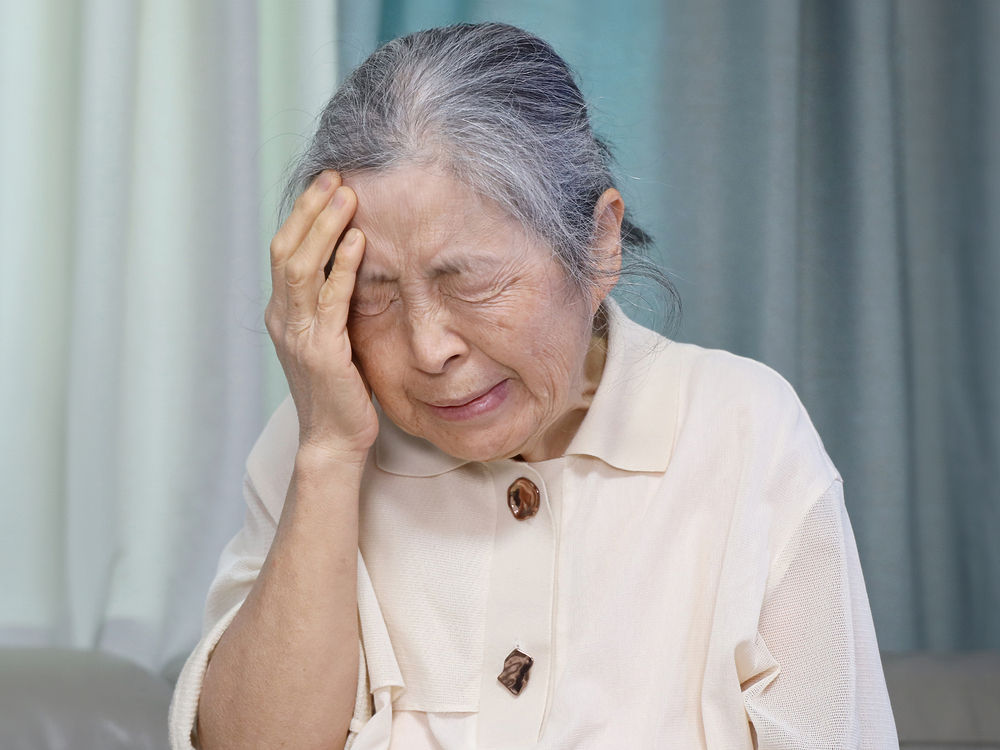
Interpersonal conflicts are a representative chronic stress factor. The more one clings to the thought of "I am not wrong," the longer the confrontation lasts, and the body remains in a state of tension for a longer time. During this process, physical signals such as headaches, digestive discomfort, and stiffness in the shoulders and neck may appear. Those who apologize first do not drag conflicts into a long-term battle. The energy spent on resolving relationships is less, which shortens the time the body remains in a state of tension. On the other hand, if conflicts are prolonged, mental and physical energy consumption increases, leading to greater stress.
Apologizing Actually Protects Self-Esteem
The perception of apologizing as a "losing action" is common, but in reality, it is the opposite. One must be able to view their mistakes or emotions objectively to apologize. This attitude appears when emotional regulation ability and self-esteem are at a certain level or higher. Conversely, if one completely refuses to apologize, they expend a lot of energy on self-defense, which increases anxiety and tension. Those who can apologize first tend to have less mental exhaustion and recover quickly.
Apologizing Shifts the Nervous System to Relaxation
The moment the words "I'm sorry" are exchanged, the body's response also changes. The nervous system responsible for tension shifts towards relaxation, and breathing and heart rate gradually stabilize. Conversely, if conflicts are neglected, the body continues to perceive the situation as a crisis and does not relax. Apologizing is an expression for the other person while simultaneously sending a signal to oneself that "it is now safe." Given that a single word can change physical responses, apologizing is a powerful health behavior.
Apologizing Makes Daily Life Less Exhausting
Those who apologize first do not hold onto emotions for long. They quickly resolve discomfort and do not turn relationships into a win-lose issue. This attitude leads to overall stress management in daily life. Sleep quality is relatively stable, and they are less swayed by emotional ups and downs. Saying "I was wrong" is a sentence that protects relationships and is also a choice that safeguards one’s own body. However, one should also avoid the behavior of apologizing unconditionally to avoid conflict when they have done nothing wrong.