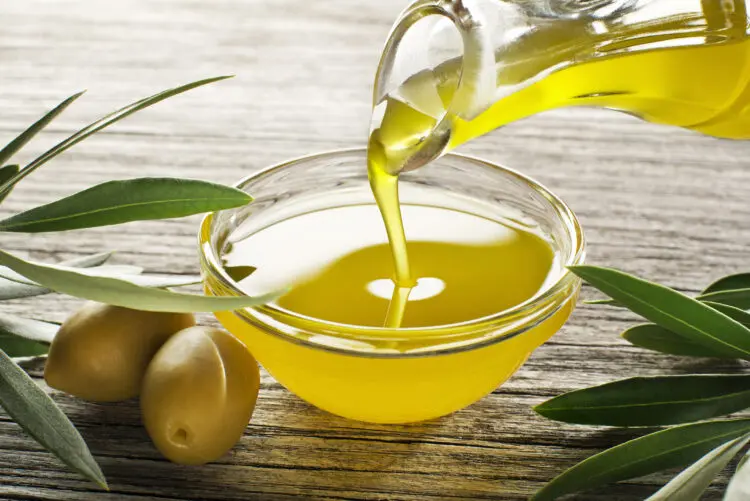
The habit of taking a spoonful of olive oil as soon as you wake up in the morning is being talked about as a health secret. People sharing this method on social media and overseas wellness content claim that olive oil consumed on an empty stomach helps with digestion and vascular health. However, the approach of 'natural foods are always good' requires caution. Along with the expected effects, we will also look into precautions based on individual constitution and health status.
What Effects Does Olive Oil Have on an Empty Stomach?
Consuming olive oil on an empty stomach can gently stimulate the stomach and intestines. The oleic acid abundant in olive oil promotes bile secretion, waking up the digestion process that slows down overnight. As a result, some people may experience relief from constipation or reduced bloating. Additionally, antioxidant components like polyphenols and vitamin E can be absorbed more efficiently on an empty stomach, positively affecting vascular inflammation relief and oxidative stress reduction. However, these effects are more significant when combined with overall dietary management.
How Many Spoons of Olive Oil Should Be Consumed?
The amount commonly mentioned for health purposes is usually 1 tablespoon per day, and at most, up to 2 tablespoons. Contrary to the perception that 'the more you eat, the better', olive oil is also a fat, and excessive consumption can lead to calorie overload. Especially, consuming more than 2 tablespoons at once on an empty stomach can often lead to symptoms like heartburn, nausea, or abdominal discomfort. If you are trying it for the first time, it is safer to start with about 1 teaspoon and observe your body's reaction. If measuring each time is cumbersome or if the taste and smell are overwhelming, some people find it convenient to use a fixed-dose capsule type.
Is Any Type of Olive Oil Okay?
If the purpose is for consumption on an empty stomach, 'extra virgin olive oil' is the standard. Extra virgin, which has not undergone chemical refining processes, retains its antioxidant components and unique flavor, making it more suitable for health purposes. In contrast, pure olive oil or pomace oil is suitable for high-temperature cooking, but its functional aspects may have limited expected effects. It is also important to check for acidity below 0.8% and whether it is cold-pressed. If managing freshness is difficult or if there are concerns about rancidity, some people use capsule forms of olive oil products as a supplementary means.
Who Should Be Cautious About Taking Olive Oil?
If you have gallbladder disease or a history of gallstones, consuming fat on an empty stomach can cause pain or digestive discomfort. Those with gastritis or gastroesophageal reflux disease may also experience worsening symptoms from consuming oil on an empty stomach. Additionally, if you are taking blood pressure medication or lipid-lowering agents, changes in fat absorption can affect the efficacy of the medication, so consulting with your primary care physician is recommended. The perception that 'natural foods are safe for everyone' should be approached with caution.
If You're Busy, How About Olive Oil in Capsule Form?
Recently, various products have been released in capsule form made from extra virgin olive oil. The advantages include easy portability and less aversion to taste or smell. However, they are often classified as health functional foods rather than food, so it is essential to carefully check the ingredient content, polyphenol levels, and capsule materials. It is not that the capsule type is superior, but rather it is closer to a supplement that fits your lifestyle. If your morning routine is irregular, starting with this form can be a realistic choice.