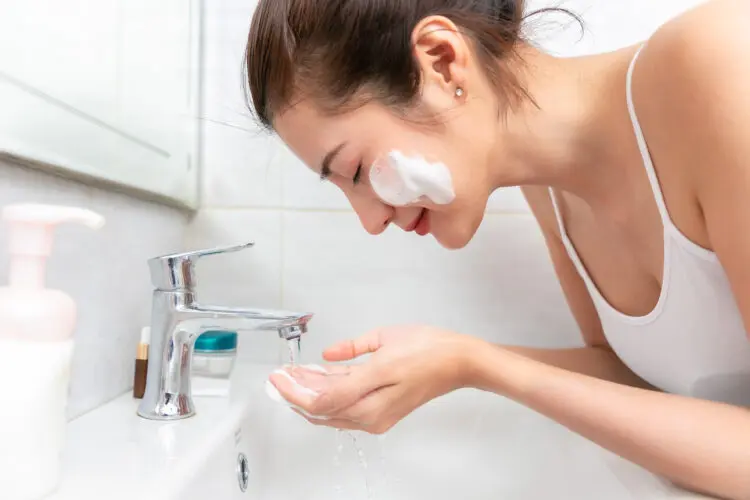
You may believe you have removed all your makeup, but if your skin continues to feel clogged or prone to breakouts, it is time to reassess your cleansing routine. A surprisingly common reason skin fails to improve, even with high-quality skincare, is a fundamental "cleansing problem." The heavier your makeup, the more its removal dictates your skin's health. The first step to maintaining a clear, comfortable complexion is making proper makeup removal a non-negotiable habit.
Dissolve, Don't Scrub: The Melting Principle
Forcefully scrubbing your face creates microscopic tears and irritation on the skin’s surface. Effective cleansing is not about "wiping"—it is about dissolving color makeup using an oil or balm. Use a generous amount of product to ensure a smooth glide, massaging gently with relaxed hands. The most critical step is emulsification: add a small amount of water and massage until the oil turns milky, allowing residue to lift away cleanly. This thoroughness significantly reduces post-wash redness and tightness.
Target the Details: Eyes and Lips First
Mascara, eyeliner, and long-wear lip products are rarely removed completely by a general face wash. To prevent irritation and pigment residue, soak a cotton pad with a dedicated remover and press it against the eyes or lips for ten seconds. This allows the product to dissolve so it can be swept away without rubbing. Removing this "point makeup" first ensures that you don't smear stubborn pigments across your skin during the rest of your cleanse.
Tailoring Your Double Cleanse
Double cleansing—following an oil cleanser with a gentle, low-pH foam—is highly effective if you wore heavy makeup or multiple layers of sunscreen. However, it is not always mandatory for light makeup or sensitive skin. A "squeaky-clean" feeling is often a sign that you have stripped your skin barrier; instead, aim for skin that feels comfortable and soft. Over-cleansing can be just as damaging as under-cleansing, so adjust your routine based on your skin's daily needs.
The Role of Water Temperature
While hot water may feel like it cleans more deeply, it can strip away the skin’s protective oils. Conversely, cold water is less effective at breaking down sebum and makeup. Lukewarm water is the gold standard for minimizing stress on the skin. If you prefer, a final rinse with slightly cooler water can help refine the skin's texture. Simply adjusting the temperature can make a noticeable difference in reducing post-wash dryness.
The One-Minute Moisture Rule
Immediately after cleansing, your skin enters a window where moisture evaporates at its fastest rate. After gently patting your face dry, begin your moisturizing routine within one minute. If you miss this window, "inner tightness" can persist regardless of how rich your final cream is. Proper cleansing is the foundation of skincare; only when makeup is removed correctly can your subsequent products perform their job. If your skin feels balanced after washing, you have likely found the right routine.