최근 방영된 김고은 주연의 티빙 오리지널 드라마 ‘유미의 세포들 시즌3’에서는 바닷가 리조트부터 오래된 책방골목, 파스텔 빛깔의 감성마을까지, 부산 곳곳을 배경으로 주인공의 감정 변화를 섬세하게 따라간다. 드라마 속 부산은 “한국에 이런 곳이 있었어?”란 말이 절로 나올 정도로 이국적이면서도 오래된 공간의 온기를 품은 따뜻한 여행지로 그려진다. 드라마 속 장면이 자꾸 떠오른다면 심장을 말랑하게 만든 그곳으로 떠나보면 어떨까. 김고은의 연애세포를 깨운 부산 여행지를 살펴봤다.
바닷가 품은 이국적인 리조트…호캉스에 최적
‘유미의 세포들3’는 스타 작가가 된 유미(김고은 분)의 무던한 일상에 담당 PD인 순록(김재원 분)이 등장하면서 잠들었던 사랑의 감각이 되살아나는 이야기다. 특히 워크숍으로 찾은 부산은 유미와 순록이 썸을 타기 전, 서사를 쌓고 미묘한 감정선을 끌어올리는 배경이 되고 있다.
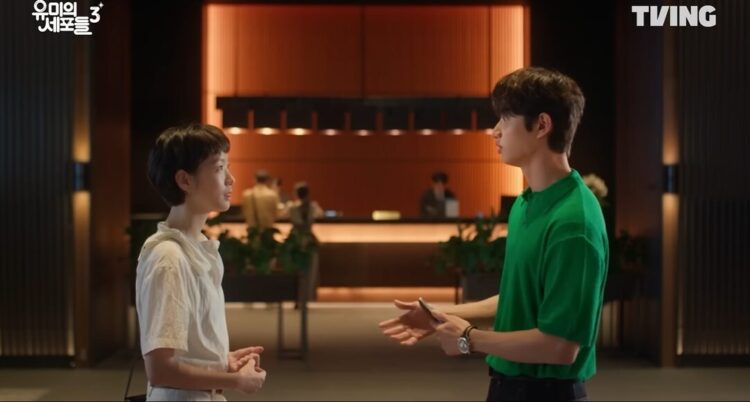
특히 유미 일행이 머물게 되는 ‘아난티 앳 부산 코브(ANANTI AT BUSAN COVE)’ 호텔은 탁 트인 해안 풍경이 로맨틱한 분위기를 자아내는 공간이다. 유미는 바다 전경이 한눈에 보이는 자신의 방 테라스에서 리조트 산책길을 거니는 순록을 바라보는데, 그 다정한 시선 하나로 요동치는 마음을 여실히 드러낸다. 순록을 통해 다시 설렘을 느끼는 유미의 이런 모습은 해외 같은 리조트 풍경과 어우러져 시청자의 연애세포를 꿈틀거리게 만든다.
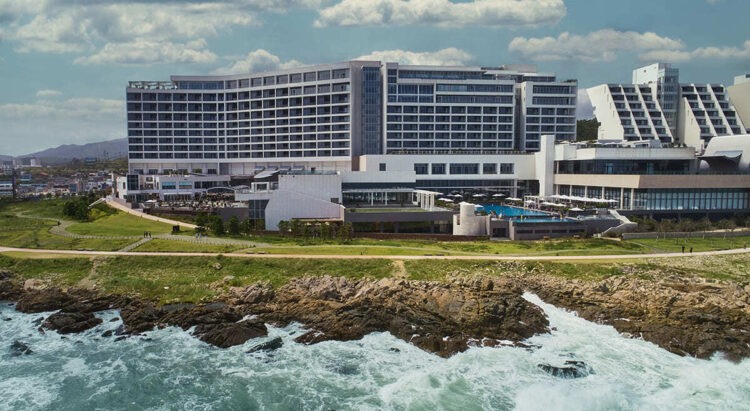
실제로 이곳을 찾는다면 낮엔 해동용궁사부터 대변항까지 이어지는 기장 해안 풍경을 따라가고, 순록처럼 조명과 파도 소리가 섞인 밤바다를 따라 리조트의 산책로를 걸어도 좋겠다. 바다와 맞닿은 리조트 특유의 여유로운 분위기도 매력적이지만, 머무는 동안 즐길 수 있는 각종 부대시설이 호캉스의 만족도를 높인다. 천연 온천수를 활용한 인피니티 풀 수영장과 카페, 레스토랑, 상점 등 여러 시설이 갖춰져 있어 조용한 휴식을 즐기는 커플은 물론 가족 단위 관광객에게도 인기다.
레트로 감성 가득 ‘보수동 책방골목’…먹방 성지 ‘부평깡통시장’
부산 여행의 또 다른 매력을 느끼고 싶다면 보수동 책방골목이 제격이다. 오래된 간판과 책 냄새, 좁은 골목길을 따라 이어진 헌책방들이 부산의 지나간 시간을 담고 있다. 누군가는 과거로 돌아간 듯 아련한 추억을, 누군가는 처음 보는 레트로한 풍경에 흥미를 느끼는 곳이다.
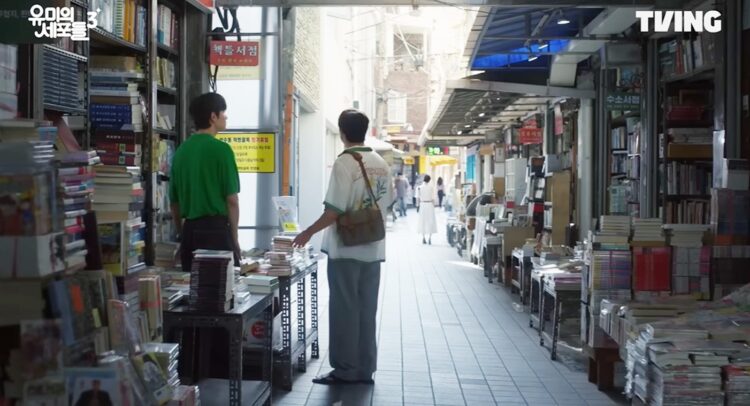
드라마에선 유미가 순록과의 나이 차를 의식하며 은근히 신경 쓰는 모습이 보인다. 주호(최다니엘 분)가 동년배를 강조하는 공감 플러팅으로 둘 사이에 자꾸 끼어들면서 유미가 난감한 상황에 놓이는데, 보수동 책방골목의 잡지 속 국진이빵을 모른척하는 유미의 코믹한 장면이 여기서 나온다.
책방골목은 6.25전쟁 당시 부산이 임시수도가 됐을 때 형성된 장소로 알려졌다. 당시 주한미군 부대에서 나온 잡지와 헌책 등을 팔던 노점에서 역사가 시작됐다. 이후 학생과 지식인들이 모여들면서 60~70년대엔 70여 개의 점포가 있을 만큼 발전했고, 일부 서점이 남아 지금의 독특한 분위기를 이어가고 있다.
드라마에 직접 등장하진 않았지만, 책방골목에서 조금만 걸음을 옮기면 부평깡통시장이 나온다. 책방골목에서 아날로그 감성을 채웠다면, 깡통시장에서 부산 특유의 활기를 느끼고, 먹는 즐거움도 함께 누릴 수 있다.
국제시장, 자갈치시장과 함께 부산 3대 시장으로 꼽히는 이곳은 한국전쟁 이후, 깡통으로 된 미국 통조림을 많이 팔아서 ‘깡통시장’이란 이름을 얻었다. 국내 최초 상설 야시장 1호인만큼 밤이 되면 야시장 특유의 분위기까지 더해진다. 명물인 유부전골부터 미니포차의 술안주까지, 먹거리도 다양하다. 길 하나만 건너면 만물시장이라 불리는 국제시장이 이어져 생활 잡화를 구경하는 재미도 쏠쏠하다.
알록달록 파스텔톤 지붕 가득한 ‘감천문화마을’
파스텔톤 주택가가 산비탈을 따라 옹기종기 모여 있는 감천문화마을은 부산 여행의 필수코스다. 계단식으로 이어진 집과 골목이 독특한 풍경을 만들어 한국의 마추픽추 혹은 산토리니라고 불리는 곳이다. 드라마 속 유미 역시 감기에 걸린 순록을 숙소에 남겨 두고 작가 일행과 이곳으로 관광을 왔는데, 유미의 어깨 너머로 보이는 알록달록한 마을의 풍경이 눈길을 사로잡는다.
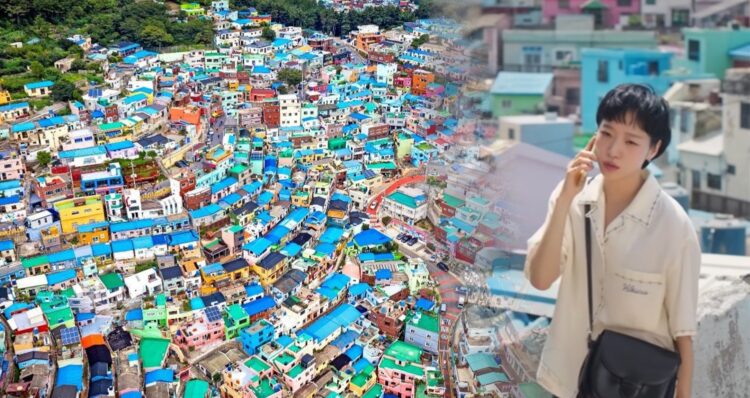
이곳은 본래 가파른 산비탈을 따라 낡은 집들이 다닥다닥 붙은 달동네였다. 2009년 미술 프로젝트를 계기로 형형색색의 지붕을 가진 문화마을로 탈바꿈했고, 이제는 부산을 대표하는 인생샷 명소로 자리매김했다. 마을 안내센터에서 스탬프 지도를 구매해 골목길을 따라 오르다 보면 미로 같은 골목 풍경이 이어진다. 곳곳에 서로 다른 표정의 그림 벽화와 작은 갤러리, 재치있는 조형물이 가득해 어디서든 특별한 사진을 찍을 수 있다.
특히 난간에 걸터앉은 어린왕자와 사막여우 조형물이 있는 장소가 인기 포토존이다. 이곳에서 사진을 찍기 위해 여행객들의 발길이 끊이지 않는데, 마을을 내려다보는 듯한 어린왕자의 시선을 따라가다 보면 층층이 놓인 집들과 어우러진 푸른 바다가 한눈에 들어온다. 파스텔 빛으로 물든 마을과 바다가 한 프레임에 겹치는 이 풍경은 감천문화마을이 부산을 대표하는 감성 여행지로 사랑받는 이유를 고스란히 보여준다.