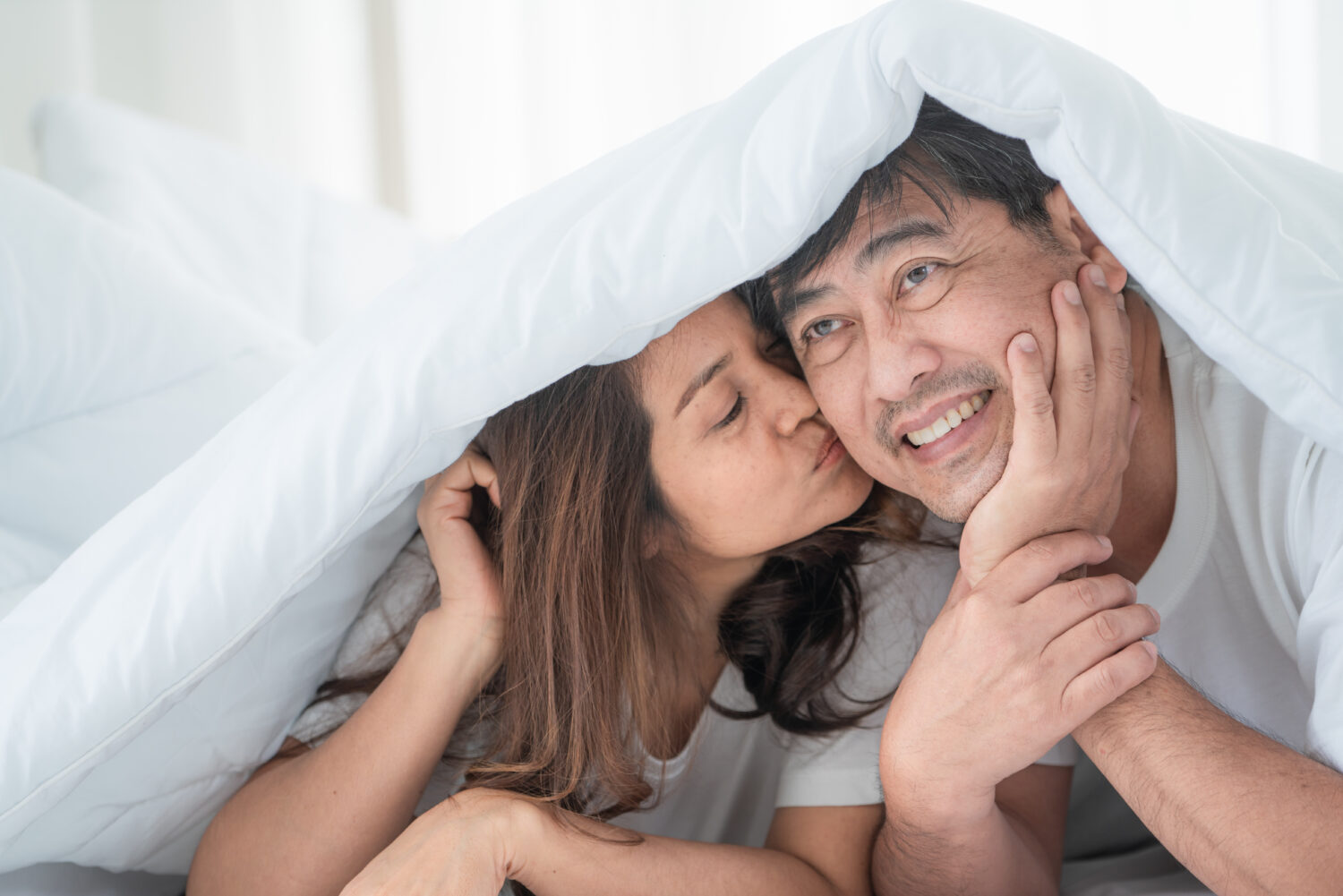
Many couples—particularly after middle age—gradually reduce or stop sexual activity altogether, often citing busy schedules, stress, and fatigue. However, a growing body of clinical research suggests that withdrawing from physical intimacy can strain interpersonal relationships while negatively impacting cardiovascular health, immune function, and cognitive performance.
Medical experts generally categorize the physical and psychological consequences of abrupt sexual inactivity into three primary areas: accelerated cardiovascular and immune aging, cognitive decline accompanied by chronic anxiety, and hormonal imbalances that contribute to physical pain and reduced bodily function.
Cardiovascular and Immune Impacts
Researchers have long warned that a sudden decline in sexual activity can weaken protective physiological defenses. Regular physical intimacy often serves as a physiological buffer beyond simple pleasure. Clinical findings highlighted by the American Heart Association and other medical bodies indicate that men who engage in sexual activity once a month or less face up to a 45% higher risk of cardiovascular disease compared to those who maintain a frequency of at least twice a week. Researchers attribute this heightened risk to a combination of lower overall physical activity and increased rates of depression.
A study published in the Journal of the American Medical Association (JAMA) similarly noted a statistically significant rise in heart disease risk among groups with extremely low sexual frequency. Furthermore, sexual activity influences the secretion rhythm of immunoglobulin A (IgA), a crucial antibody that defends against viruses and respiratory infections. Immunology research shows that individuals who maintain sexual activity one to two times a week exhibit significantly higher IgA levels than those who are inactive, demonstrating stronger antiviral immunity.
Cognitive Function, Anxiety, and Sleep
Scientific evidence also points to cognitive risks and elevated chronic anxiety when brain-cell stimulation drops. While stress frequently prompts people to avoid physical intimacy, hormones released during sexual activity act as natural tranquilizers, dampening the body’s stress response. A large-scale study of adults aged 50 to 89 conducted by researchers at the University of Coventry and the University of Oxford found that individuals with regular sexual activity scored an average of 5 to 7 points higher on word-memory assessments than their inactive peers.
Published in Age and Ageing, the study observed that those who stopped having sex experienced greater emotional instability as the brain’s chemical afterglow and bonding opportunities faded. Additionally, reduced levels of prolactin and oxytocin—hormones vital for deep, restorative sleep—often leave sexually inactive individuals more vulnerable to chronic fatigue and insomnia.
Hormonal Balance and Physical Pain
The cessation of physical intimacy can also trigger hormonal imbalances that exacerbate bodily pain and accelerate physical decline. Endorphins released during orgasm serve as natural analgesics, mitigating generalized joint, muscular, and back pain. Without this natural pain relief, underlying joint discomfort or headaches may feel significantly more pronounced.
For women, postmenopausal individuals who are not sexually active are far more likely to experience tissue contraction, vaginal dryness, and lost elasticity, doubling their likelihood of painful intercourse. For men, research indicates that an ejaculation frequency of fewer than seven times per month is associated with a significantly higher risk of prostate cancer compared to a frequency of 21 or more times per month. Separate studies have also shown that men who have sex less than once a week face twice the risk of erectile dysfunction.
The Exception of Clergy and Monastic Life
Despite these findings, medical and psychological experts emphasize that the general public's physiological responses cannot be directly applied to clergy or monastics.
Clergy members typically undergo rigorous mental discipline, spiritual practice, and structured religious training early in life, allowing them to redirect sexual drive into mental energy, community service, and spiritual reflection. As a result, the psychological and neuroscientific processes governing celibate monastics differ substantially from the hormonal and psychological stress responses seen when ordinary individuals abruptly discontinue sexual activity. Consequently, applying monastic celibacy as a health blueprint for the general public has major limitations.
Recent research supports this distinction. A multi-angle study by a joint research team from the University of the Philippines and De La Salle University examined how an ascetic lifestyle influences mental and spiritual health in late life. Rather than conducting direct clinical trials, the researchers integrated Maslow’s humanistic psychological theories with traditional monastic literature. They focused on how "digital asceticism"—intentionally limiting digital device usage—combined with traditional monastic practices provides older adults with exceptional emotional stability and spiritual maturity.
The study revealed that monastics experience far lower levels of late-life isolation, anxiety, and existential loss because their structured, low-stimulus environment fosters deep inner reflection. Terming this pattern "transcendent aging," the authors concluded that ascetic discipline promotes healthy psychological development and a heightened sense of purpose in old age. Published in the Journal of Religion and Health (July 31, 2026), the paper noted that while monastics demonstrate these benefits most clearly due to their religious calling, older adults in the general population can also achieve greater emotional stability by practicing moderate digital restraint and inward mindfulness.
Frequently Asked Questions
Q: What is considered an appropriate weekly sexual frequency for middle-aged and older adults looking to maintain health benefits?
A: Medical literature frequently identifies a frequency of approximately twice a week as optimal for maintaining cardiovascular health and immune function. However, clinical experts stress that maintaining a consistent, mutually comfortable rhythm that fosters emotional closeness is far more important than adhering to a rigid numerical goal.
Q: Can resuming sexual activity after a prolonged period of inactivity cause physical strain or adverse effects?
A: While individuals may worry about strain after long periods of inactivity, those who maintain basic physical fitness through light exercise or walking generally transition smoothly, benefiting from improved circulation and hormone production. To prevent discomfort or injury, older adults are advised to resume intimacy gradually through gentle physical affection rather than sudden, intense exertion.
Q: Libido naturally declines with age. Is there a health reason to maintain sexual activity if it feels forced?
A: Although hormonal shifts naturally reduce libido over time, the endorphins and oxytocin released through physical affection play a vital role in pain management, stress reduction, and sleep quality. Completely abandoning physical intimacy can accelerate physical decline and weaken immune defenses; thus, maintaining intimacy remains a valuable component of healthy aging.