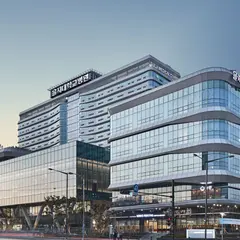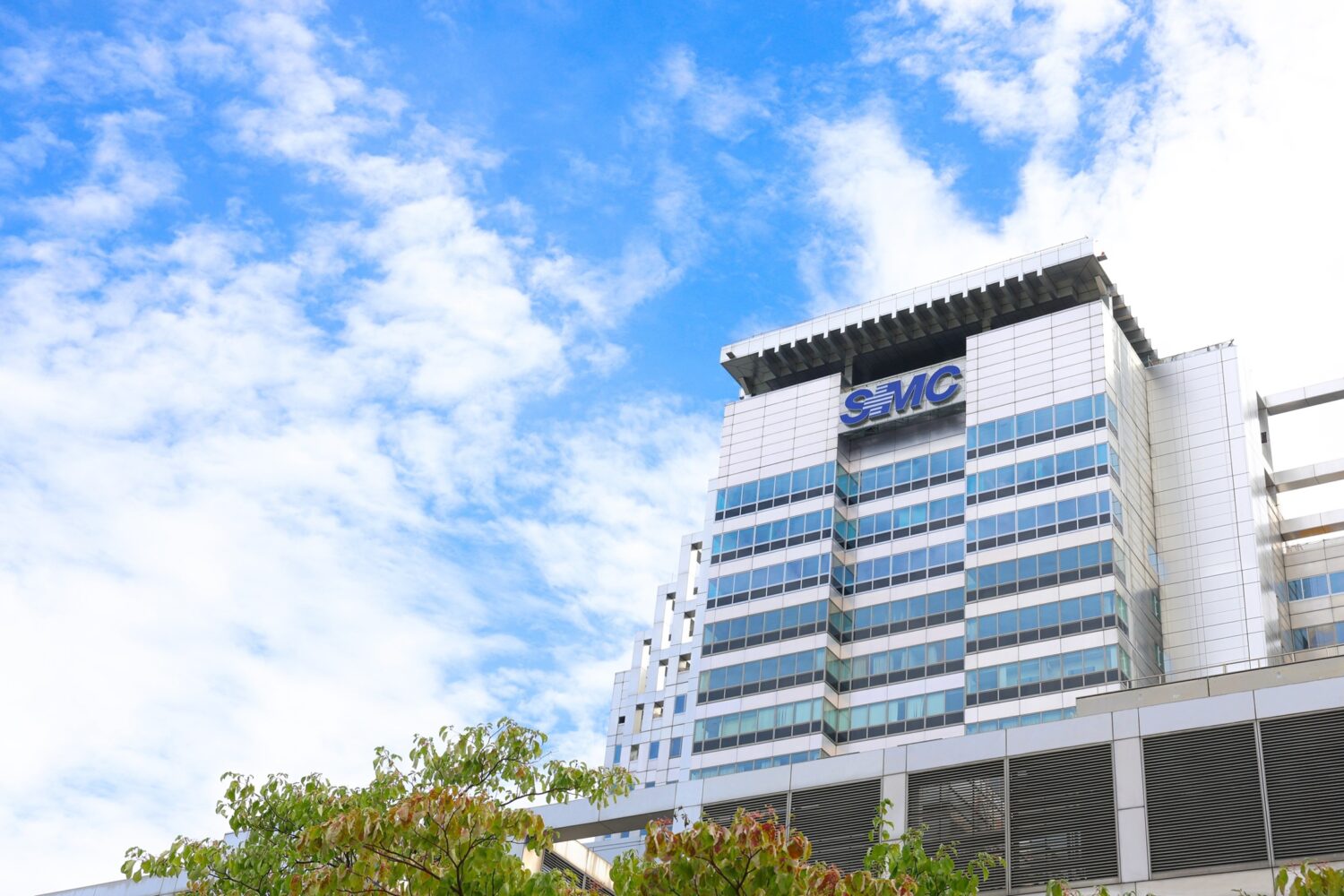
Samsung Medical Center has been named the No. 5 hospital worldwide and No. 1 in South Korea for cancer treatment, according to the "World's Best Specialized Hospitals 2027" rankings published on Sept. 17 by U.S. news magazine Newsweek.
In the domestic rankings, Samsung Medical Center placed one spot ahead of Seoul Asan Medical Center (No. 6). The hospital also demonstrated broad clinical strength across multiple disciplines, securing No. 9 globally in urology and climbing seven places to rank No. 12 worldwide in respiratory medicine.
"Samsung Medical Center continues to innovate under our vision of establishing an advanced, intelligent hospital centered on severe and highly complex conditions," said Park Seung-woo, president of Samsung Medical Center. "Our past choices built today's results, and we will remain steadfast in putting patients at the center of healthcare as we chart our future."
Driving a 75.4% Five-Year Survival Rate Through Advanced Cancer Care
Although Samsung Medical Center adjusted slightly from its No. 3 global cancer ranking in 2025 and 2026 to No. 5 this year, it maintained its position as the top-ranked cancer hospital in Asia. The top four global spots were held by Memorial Sloan Kettering Cancer Center (No. 1), MD Anderson Cancer Center (No. 2), France's Gustave Roussy (No. 3), and the United Kingdom's Royal Marsden Hospital (No. 4).
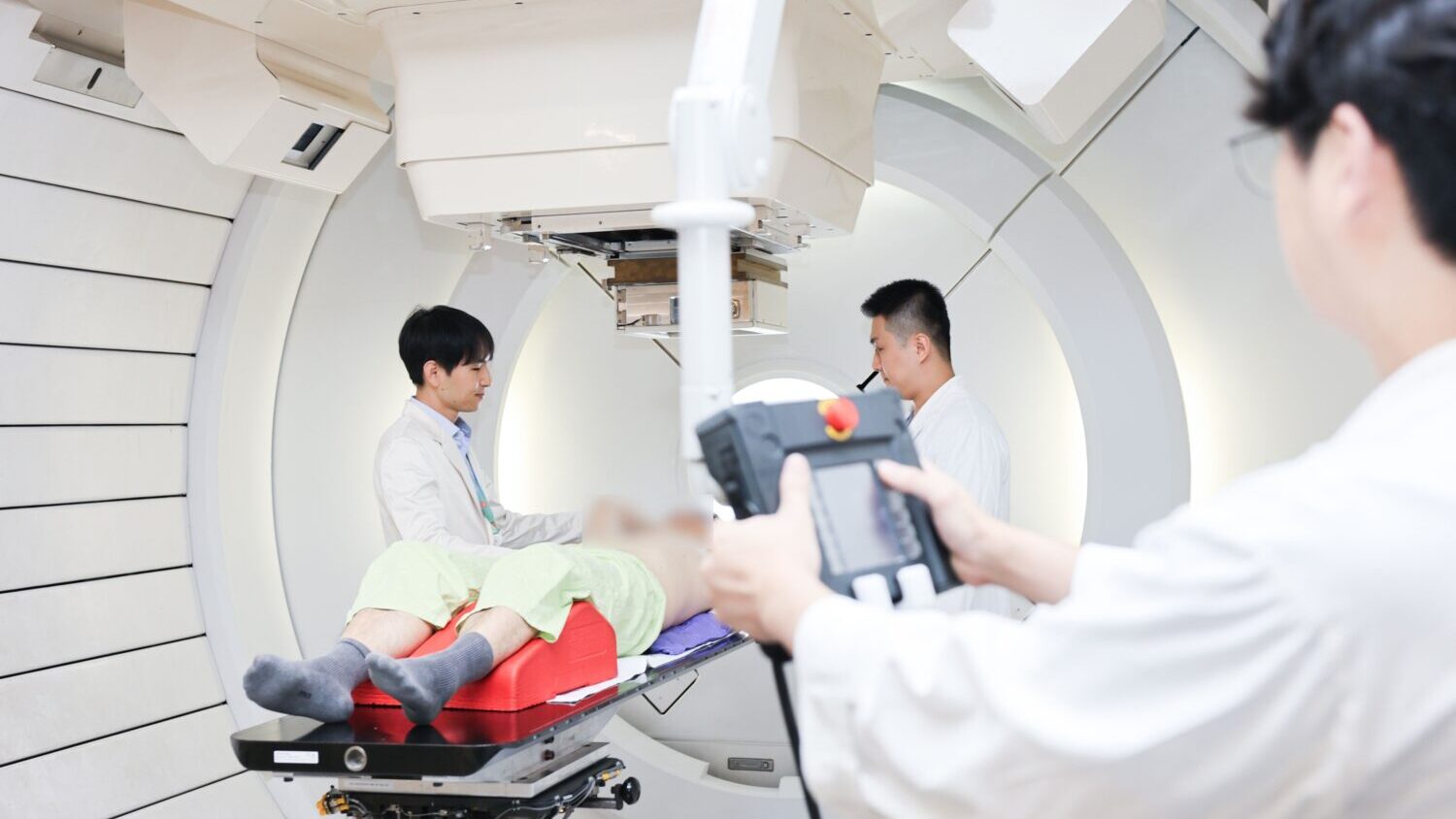
Opened in 2008 as Asia's largest single-building cancer facility, Samsung Medical Center’s Cancer Center has consistently pioneered complex therapies. It was the first hospital in South Korea to offer chimeric antigen receptor (CAR)-T cell therapy and opened a dedicated proton therapy center in December 2015. Across all cancer types, the hospital boasts an overall five-year survival rate of 75.4%, widely recognized as world-leading.
In addition to treatment outcomes, the hospital has prioritized patient quality of life. In June 2024, it launched the Cancer Patient Quality of Life Research Institute alongside Samsung Fire & Marine Insurance to support patients facing physical, emotional, and financial burdens. It holds bi-monthly joint seminars on Patient-Reported Outcomes (PRO) with Germany's Charité hospital, partners with the European Organisation for Research and Treatment of Cancer (EORTC) on PRO tool standardization, and became South Korea's first institution to earn International Consortium for Health Outcomes Measurement (ICHOM) certification.
To address an aging population, the hospital also operates Comprehensive Cancer Care for Senior (CCCS), an intensive management framework evaluating treatment risk for patients aged 70 and older. The proportion of cancer patients aged 65 and older at the hospital grew from 29% in 2008 to 40% in 2022.
Rapid Ascent in Respiratory Medicine Powered by Robotic Innovation
In respiratory medicine, Samsung Medical Center retained its No. 1 domestic ranking while surging to No. 12 globally—up seven spots from last year and continuing a steady ascent from No. 28 in 2024.
The hospital delivers specialized care for severe conditions including lung cancer, chronic obstructive pulmonary disease (COPD), interstitial lung disease, and lung transplants.
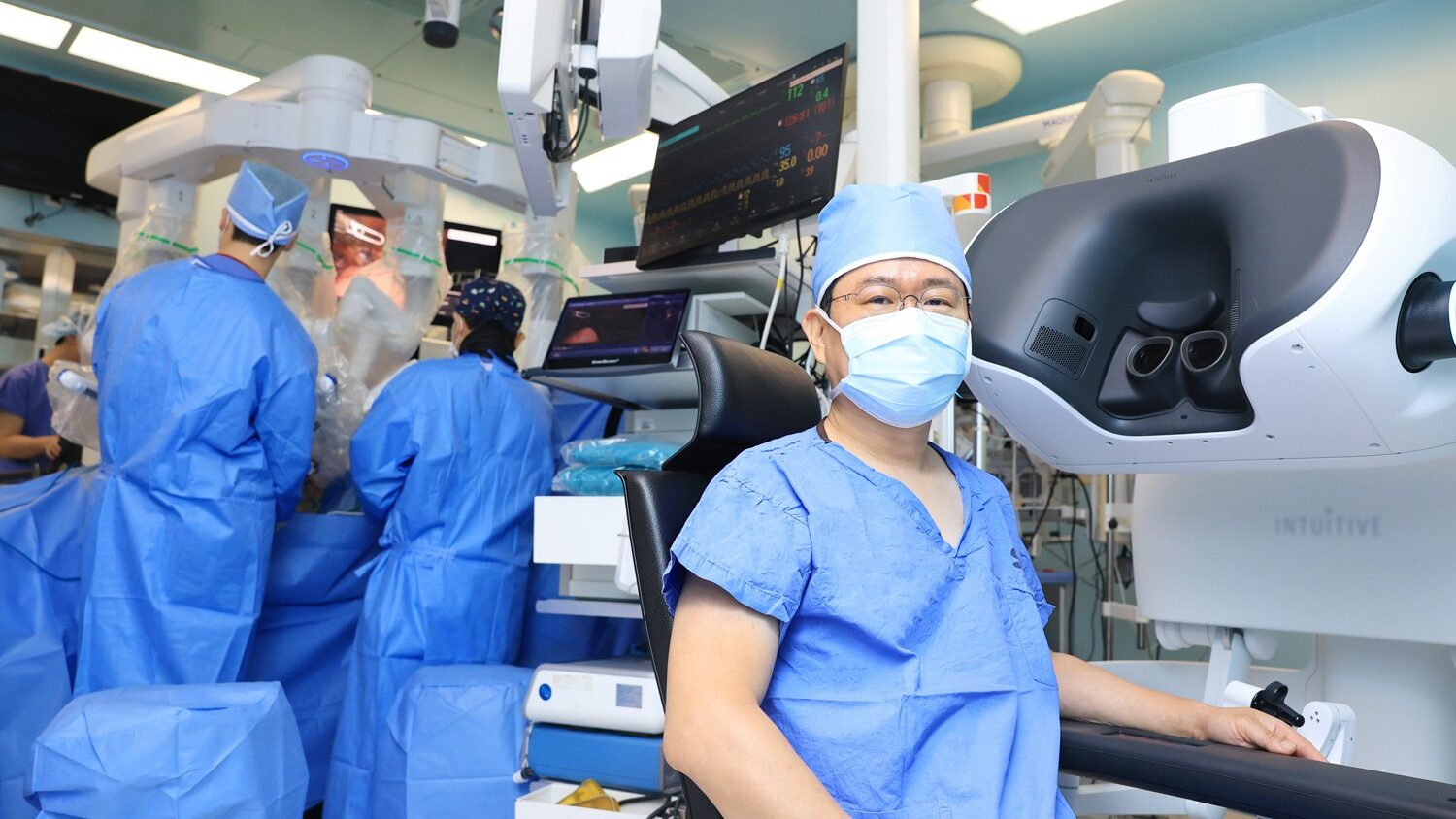
Out of approximately 1,500 lung cancer surgeries performed annually, over 90% utilize minimally invasive techniques such as video-assisted thoracoscopic surgery (VATS) or robotic systems, including the newly adopted single-port da Vinci 5 platform.
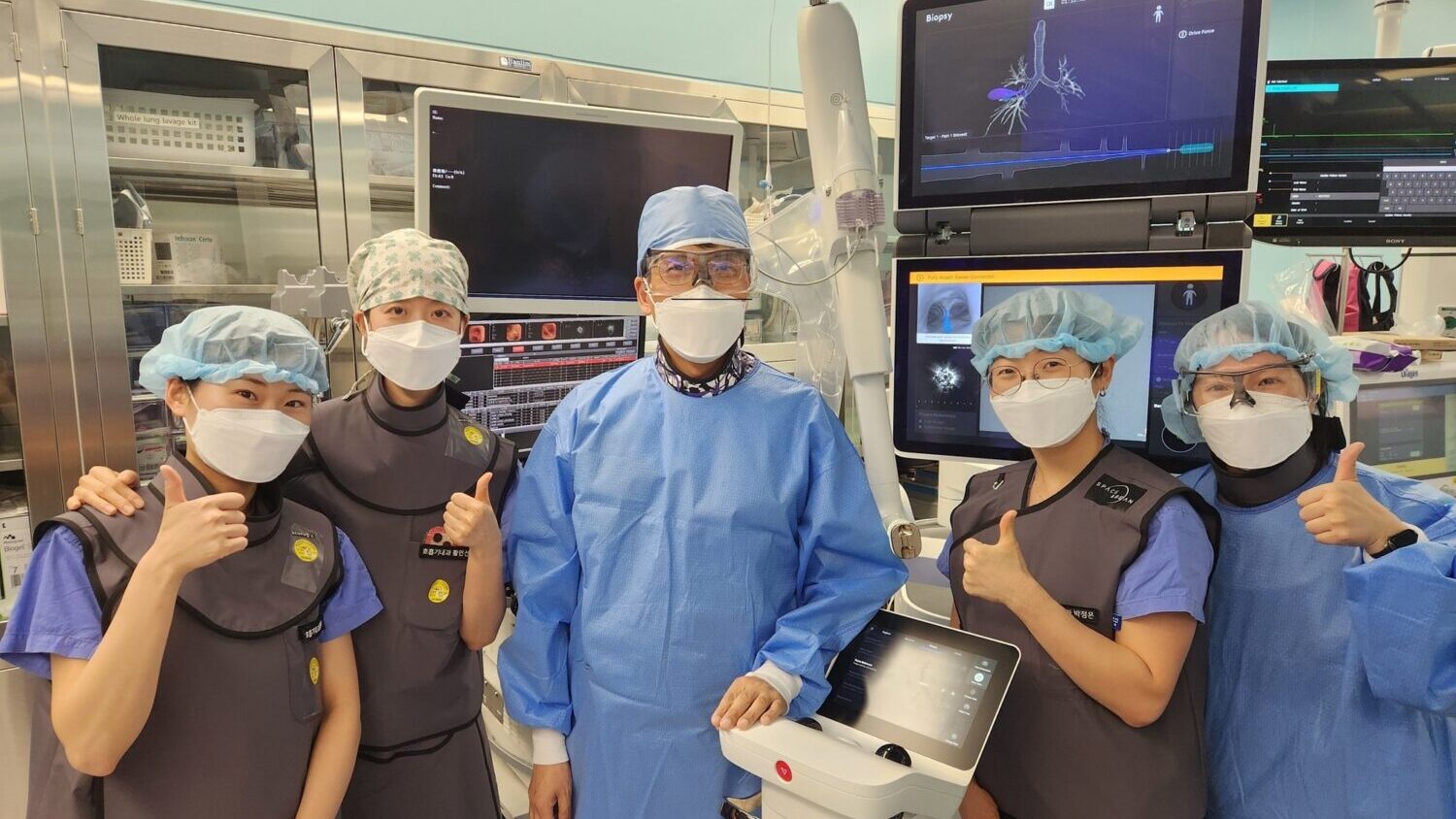
Consequently, the 30-day postoperative mortality rate for lung cancer at the hospital stands at approximately 0.1%, while its overall lung cancer survival rate reaches 65.7%—substantially higher than the South Korean national average (42.5%) and the U.S. average (28.1%). Diagnostics have also expanded following the introduction of a robotic bronchoscopy system in March, enabling safer biopsies of hard-to-reach lung nodules alongside over 200 annual therapeutic bronchial stent procedures.
At the recent World Conference on Lung Cancer, a research team led by Samsung Medical Center pulmonologists Eom Sang-won, Jeong Byeong-ho, and Kim So-yeon presented a prospective low-dose chest CT screening study evaluating non-smoking women with a first-degree family history of lung cancer. The study found detection rates comparable to those seen in heavy smokers, providing pivotal clinical evidence that could help expand national lung cancer screening guidelines in South Korea.
In addition, the hospital operates Asia's largest clinic for interstitial lung disease—conducting numerous Phase 2 and Phase 3 clinical trials—performs roughly 40 lung transplants per year, and maintains a 365-day monitoring system alongside mobile PRO tracking for severe COPD patients.