
Rimbaud’s ‘Best Sleep,’ Discovered in an Andean Valley
Arthur Rimbaud, a leading poet of French Symbolism, wrote in his poem “Bad Blood” that “the best thing is to sleep, thoroughly drunk, on the sandy flats of a beach.” The line reflects Rimbaud’s life: his fierce wanderlust and the heavy physical toll it took steadily eroded his health, ultimately leading to his death from osteosarcoma in his 30s.
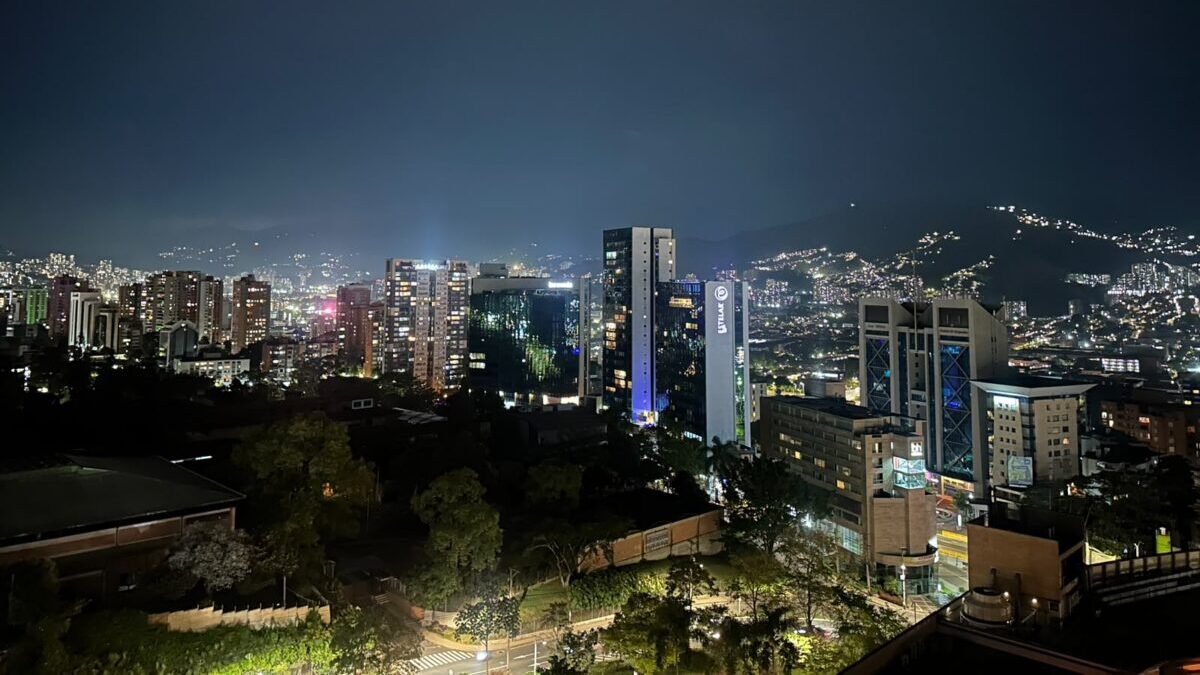
Of course, getting drunk on a beach does not guarantee quality rest for everyone. But in Medellin, Colombia’s second-largest city nestled in the legendary land of El Dorado, the narrative takes a different turn. Here, visitors find a genuine sanctuary that delivers exceptional sleep quality.
Just before landing at José María Córdova International Airport, the pilot’s announcement echoes through the cabin: “Welcome to Medellin, La Ciudad de la Eterna Primavera—the City of Eternal Spring.”
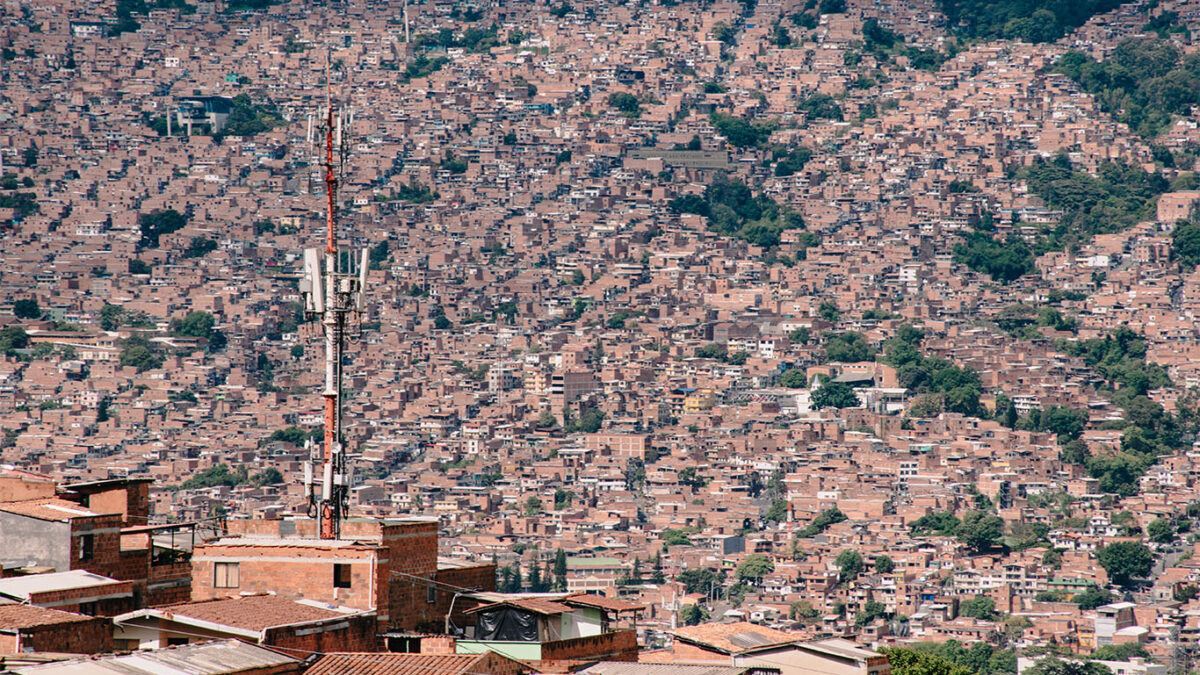
Medellin’s unique geography shapes its striking climate and year-round lush scenery, earning it this enduring nickname. Located at 6 degrees north latitude, just below the equator, the city should theoretically be oppressively hot and humid. Instead, its position in an Andean valley at an elevation of 1,500 meters yields a pleasantly cool climate. The highland elevation tempers the equatorial heat, maintaining a steady annual average temperature of 22.5°C—resembling a mild May day in South Korea all 365 days of the year.
Even when the midday sun feels sharp, stepping into the shade brings a refreshing mountain breeze. Leaving a window open allows cool Andean air to sweep through the room, making it easy to drift into a peaceful slumber anywhere in the city. If Medellin—a mountain city without a coastline—completes its ambitious "sea project" targeted for completion next year, it will satisfy even Rimbaud’s ideal conditions for the "best sleep on the beach." It is little wonder travelers often describe Medellin as a "black hole" from which it is difficult to leave once you arrive.
Naturalist Visual and Olfactory Therapy for Mind and Body
This blessed climate has nurtured Medellin’s premier global export and tourism attraction: flowers. Medellin is Colombia’s center of floriculture, serving as a primary engine for the country’s position as the world’s second-largest flower exporter after the Netherlands.
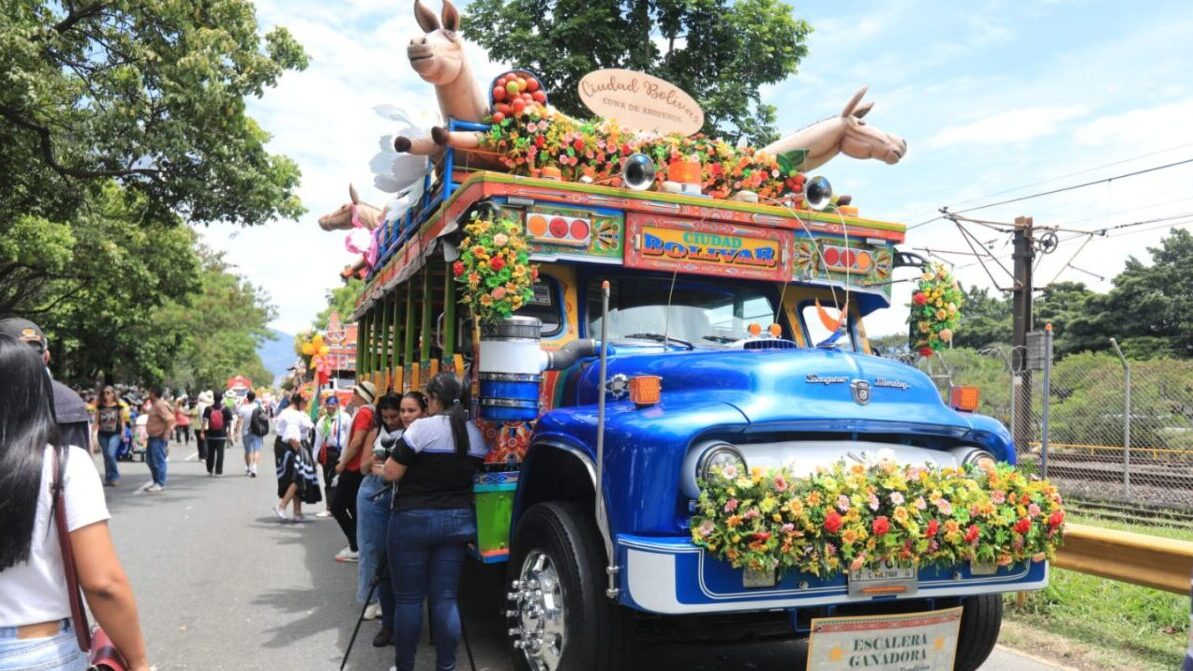
Every year from late July to early August, the city hosts the Feria de las Flores (Flower Festival), a 10-day carnival that immerses the region in vivid blooms, music, and traditional culture. The festival is more than a floral exhibition; it is a national cultural heritage event honoring the history and labor of the Silleteros—farmers who historically carried massive, flower-laden wooden frames on their backs across steep mountain trails.
During the festival, a diverse lineup of events fills the city, including the iconic Silletero parade, a pet parade, giant kite displays, and a classic car rally. International visitors arrive in droves, driving hotel rates up, making reservations scarce, and lengthening airport customs queues to four-hour waits. Yet despite the logistical hurdles, the reward is clear: immersing oneself in the sweeping waves of flowers across the city delivers a deeply restorative experience for both mind and body.
A Healing Mechanism Powered by Botanical Greenery and Natural Aromas
Modern eyes, constantly strained by the cool blue light of smartphones and digital displays, suffer from chronic visual fatigue. Medellin’s flower festival offers an ideal environment for "naturalist visual therapy." Focusing on nature’s vivid primary colors and lush greenery relaxes ocular muscles and stimulates the parasympathetic nervous system. The harmonious blend of pastel tones and rich primary hues created by thousands of fresh blossoms encourages serotonin release in the brain, easing mental tension.
Furthermore, the natural fragrance carried on the mountain breeze reaches the brain’s limbic system—the center of emotion and memory—via the olfactory nerves. Abundant terpenes found in roses, lavender, and lilies help stabilize blood pressure and suppress cortisol, the body's primary stress hormone. Medellin’s sea of flowers rests the eyes through rich colors while delivering natural therapeutic aromas with every breath, providing a complete biological reset for urban-weary visitors.
Transforming a Cartel Legacy from Stigma to Dark Tourism
Behind the floral splendor lies a dark history that once seemed impossible for residents to erase. If the "City of Eternal Spring" is Medellin’s proud identity, a far darker chapter remains etched in its history. Medellin was the birthplace of an infamous drug cartel and the home base of Pablo Escobar, the drug kingpin who ranked among Forbes’ top ten richest people in the world during the late 1980s.
Escobar’s legacy has been widely depicted in popular media, including the Netflix series Narcos and films such as Escobar: Paradise Lost and Loving Pablo. During the height of the cartel wars, Medellin was so unsafe that film crews avoided shooting on location; Escobar: Paradise Lost used downtown Panama as a stand-in for the notorious Comuna 13 neighborhood.
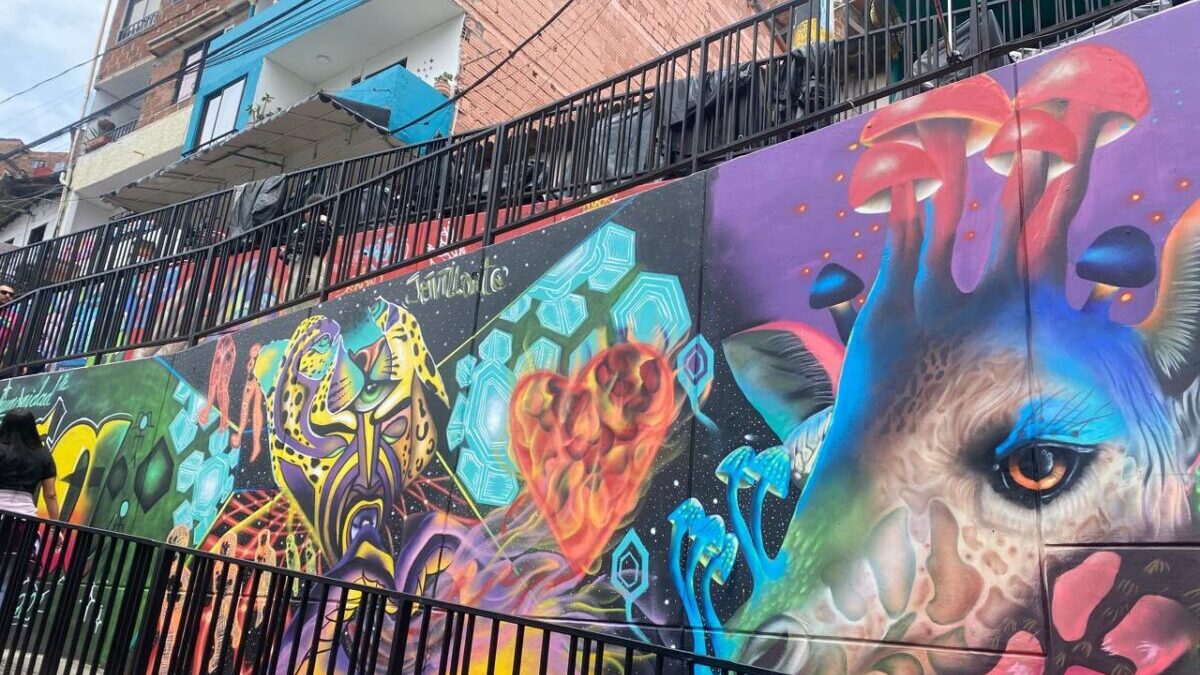
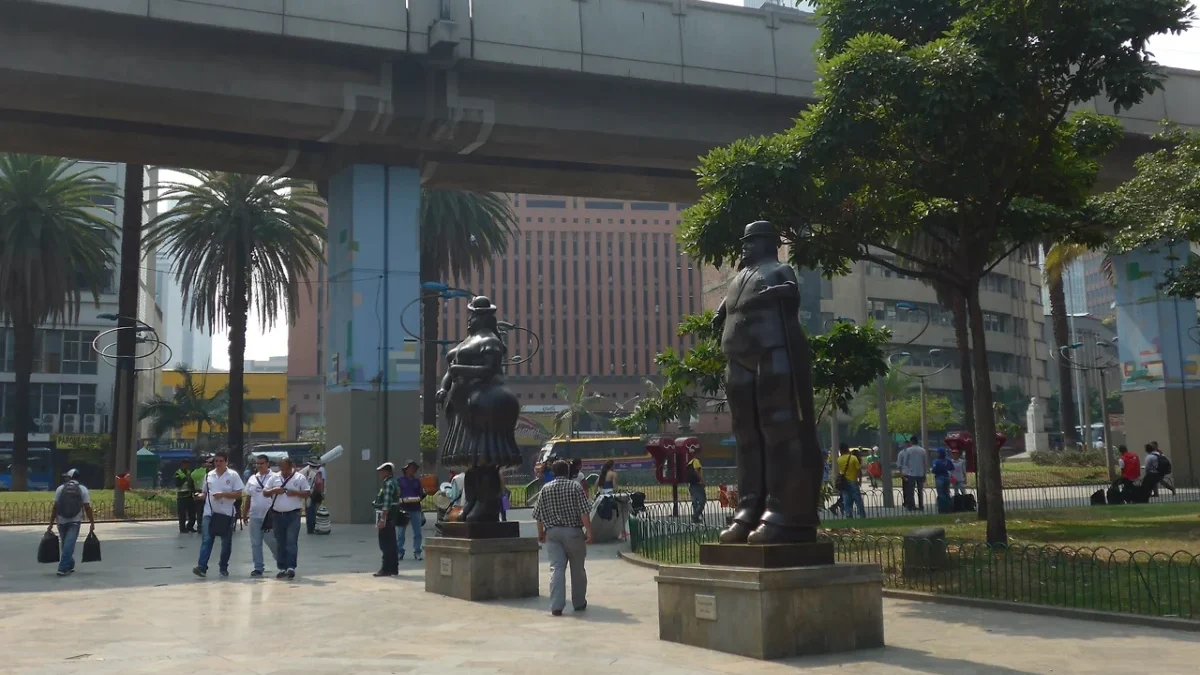
Once considered one of the world's most dangerous urban slums due to violent clashes between cartels and armed militias, Comuna 13 has undergone a remarkable urban regeneration. Today, featuring public cable cars, outdoor escalators, vibrant street art, and live performances, it stands as a major global tourist destination. Medellin’s past infamy has been reframed into a "dark tourism" offering that traces the cartel era's historical footprints.
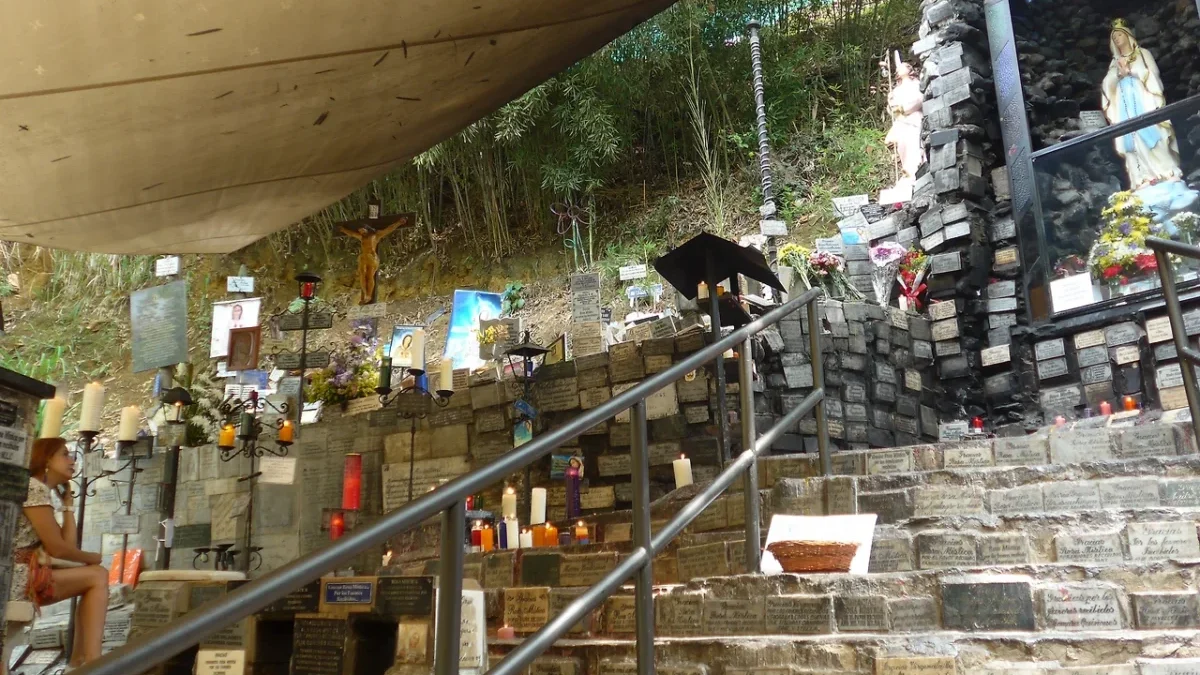
The irony of converting a violent criminal past into a modern tourism resource leaves a complex impression. Among the most striking stops on the dark tour is a statue of the Virgin Mary once frequented by cartel assassins (sicarios). Young hitmen would bless their weapons with holy water and pray for safe return before executing assassination orders. The surreal convergence of sacred devotion and extreme violence leaves a chilling impression.
Escobar systematically built these sicario networks by recruiting vulnerable teenage boys, having them trained in urban tactical warfare by former KGB instructors, and deploying them for drive-by motorcycle assassinations. The resulting wave of violence claimed countless lives, at one point prompting municipal authorities to ban two-person motorcycle travel across the city.
While Escobar cultivated a "Robin Hood" persona by funneling drug money into impoverished neighborhoods to secure a congressional seat, his escalating violence—including the assassination of a presidential candidate and the bombing of a commercial airliner that killed 107 people—ultimately triggered direct U.S. intervention. Following a massive joint manhunt involving U.S. Delta Force, Navy SEAL advisors, Colombian security forces, and rival cartel factions, Escobar was killed on a rooftop on December 2, 1993, after authorities tracked a radio signal from a phone call with his son.
The advanced signal intelligence and tracking capabilities developed by U.S. special operations during the search for Escobar in Medellin's rugged terrain subsequently became foundational assets for U.S. national security. Roughly two decades later, in 2011, the intelligence methodology refined in Medellin played a key role in locating Osama bin Laden.
Genuine Peace Blooming Above Historical Shadows
To what extent has Medellin overcome its past stigma since Escobar’s death? The reality is best described as a work in progress—vastly improved, yet continuously evolving. No resident wishes to return to that violent era, recognizing it as a tragedy that must never recur.
Yet the echoes of that era occasionally resurface. In June 2025, Miguel Uribe—a prominent politician whose mother, renowned news anchor Diana Turbay, was kidnapped and killed by the Escobar cartel in 1991—was fatally shot by a 15-year-old sicario. This cross-generational tragedy serves as a stark reminder of the enduring societal scars left by the cartel era.
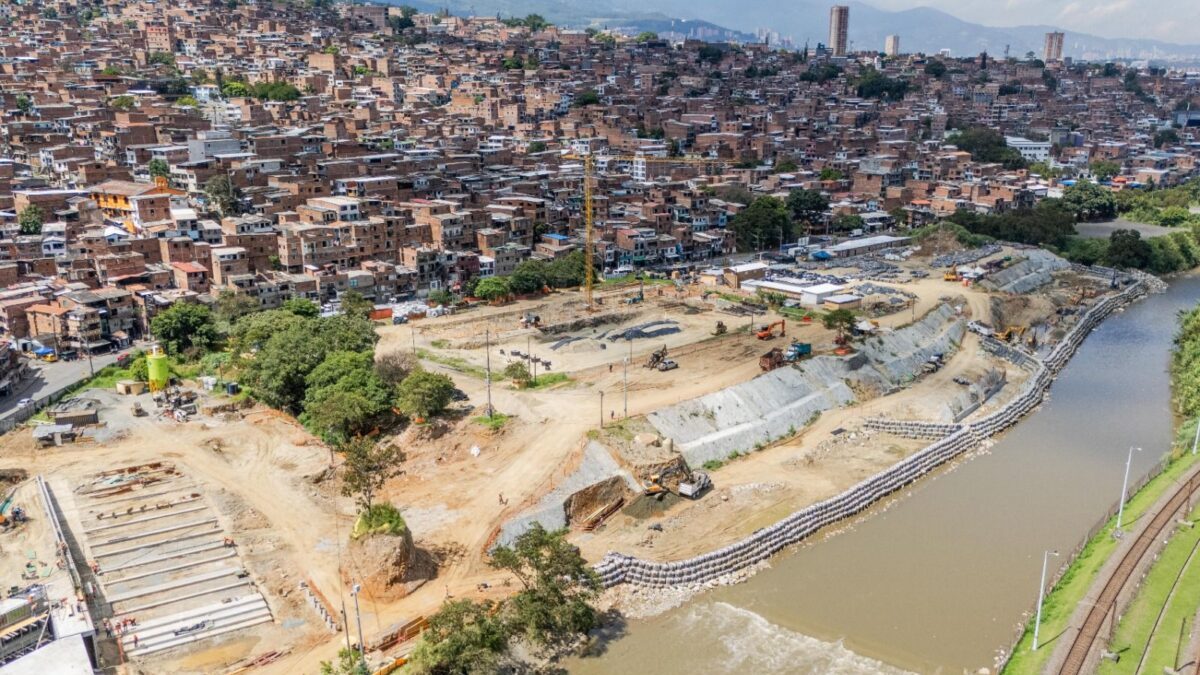
Nevertheless, Medellin refuses to remain trapped in its past. The city’s annual blanket of blossoms and the gentle Andean breezes continue to overwrite those historical shadows. Medellin’s determination to pursue renewal and healing atop a complex history demonstrates remarkable resilience. For global travelers seeking respite, this mountain city is steadily evolving into a warm, welcoming refuge where visitors can pause, set down their burdens, and enjoy a peaceful night's sleep.