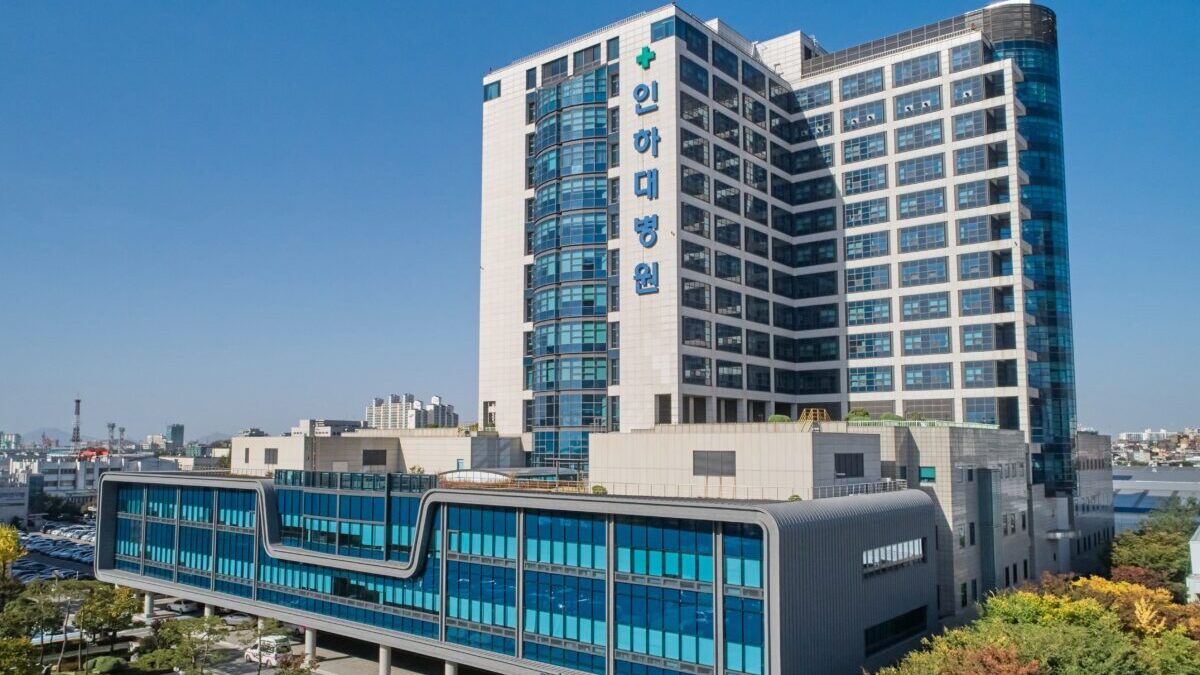
Inha University Hospital posted a perfect score of 100 in a national assessment of acute stroke care, securing the highest grade for the 11th consecutive evaluation. The hospital also earned top marks across all four indicators in a separate evaluation assessing appropriate outpatient prescribing of antibiotics and injectable medications.
Inha University Hospital announced on March 3 that it received the highest grade in both the "2024 11th Acute Stroke Adequacy Evaluation" and the "2025 Drug Benefit Adequacy Evaluation," both recently released by the Health Insurance Review and Assessment Service (HIRA).
The acute stroke evaluation assessed 268 tertiary general hospitals and general hospitals across South Korea that treated stroke patients between October 2024 and March 2025.
HIRA evaluated key operational and clinical metrics, including whether hospitals operated dedicated stroke intensive care units, how quickly thrombolysis and thrombectomy were performed upon arrival, rapid treatment protocols for subarachnoid hemorrhage, early rehabilitation assessments, in-hospital pneumonia rates, and 30-day mortality rates. Subarachnoid hemorrhage is a type of hemorrhagic stroke where a ruptured cerebral blood vessel causes blood to accumulate in the space between the brain and its surrounding membranes.
Inha University Hospital achieved a perfect score of 100 across all evaluation indicators, maintaining a top-tier rating in every evaluation from the initial assessment through this 11th round.
The hospital also houses the Incheon Regional Cardio-Cerebrovascular Disease Center, operating a 24-hour emergency response system to deliver immediate care for time-critical conditions like stroke and myocardial infarction. Beyond emergency treatment, the center provides structured early rehabilitation and long-term preventive care.
Top Marks for Outpatient Prescription Management
In the drug benefit adequacy evaluation, Inha University Hospital achieved top marks across all four indicators. The program evaluates outpatient prescribing practices to prevent unnecessary use of antibiotics and injectable medications.
Inha University Hospital recorded an antibiotic prescribing rate of 7.91% for acute upper respiratory infections, well below the overall national average of 43.54% across all medical institutions. For acute lower respiratory infections, the hospital's antibiotic prescribing rate stood at 8.92%, compared to the overall national average of 58.92%.
Upper respiratory infections include conditions affecting the nose and throat, such as the common cold or pharyngitis, while lower respiratory infections affect the bronchi and lungs, such as bronchitis. Because viral pathogens frequently cause these illnesses, antibiotics are not required for every patient.
However, because the overall national averages include primary care clinics, community hospitals, and general hospitals alongside tertiary facilities, direct comparisons across tertiary institutions alone require context.
Health officials also note that a lower antibiotic prescribing rate is not inherently superior on its own, as patients with confirmed bacterial infections require appropriate antibiotic therapy. The evaluation aims to reduce unnecessary overuse and misuse while preserving appropriate treatment.
"Earning top marks for both our acute stroke capabilities and our prescription practices reflects our medical staff's ongoing commitment to strict clinical guidelines," said Lee Taek, president of Inha University Medical Center and director of Inha University Hospital. "We will continue to provide patients with reliable, evidence-based care focused on patient safety."