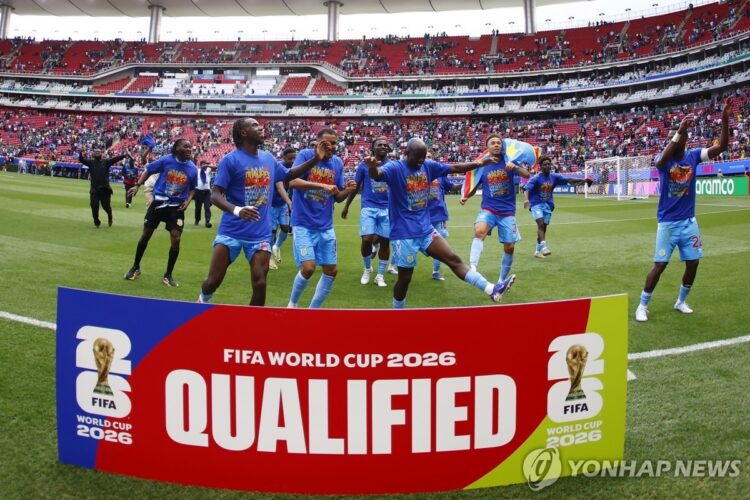
Ebola virus disease will not derail a soccer dream 52 years in the making. The Democratic Republic of the Congo (DR Congo) men’s national soccer team is set to compete as scheduled in the 2026 FIFA World Cup in North America. Although an Ebola outbreak continues in their home country, the vast majority of the players are based overseas, meaning their participation is unlikely to cause any logistical or public health disruptions. Instead, public health experts warn that common infectious diseases—such as measles, influenza, and dengue fever—pose a far more realistic threat to traveling World Cup spectators than Ebola.
DR Congo remains on high alert as Ebola continues to circulate. A high-risk infectious disease transmitted through direct contact with an infected person’s blood or bodily fluids, Ebola carries an average fatality rate of roughly 50%, according to the World Health Organization (WHO). However, it does not spread through routine airborne transmission the way COVID-19 or influenza does. As of June 8, cumulative cases in the region totaled 550 with 101 recorded deaths, and infections have crossed into neighboring Uganda. In response, the WHO and the Africa Centres for Disease Control and Prevention are launching a joint containment plan through November with a budget of approximately 800 billion won ($580 million).
Strict Entry Measures Clear the Way for DR Congo
The tournament organizers have taken proactive safeguards. The United States, one of the three host nations, instituted a strict requirement stating that all tournament participants must depart DR Congo at least 21 days prior to entering the U.S., warning that non-compliance could lead to disqualification.
Despite these measures, the team's participation remains secure. None of the players on the DR Congo national roster play in the domestic Congolese league; most are signed to European clubs. Furthermore, coaching staff and team officials who were residing in the country completed their travel last month, fulfilling all U.S. entry mandates well in advance. DR Congo, making its first World Cup appearance since competing as Zaire in the 1974 West Germany tournament, is cooperating fully with host policies, even shifting its June 9 friendly against Chile to a closed-door match to minimize public contact.
Measles and Mosquito-Borne Risks in Host Cities
The broader health concern for the millions of fans traveling to the tournament lies within the host nations themselves. The World Cup matches will be played across 16 cities in the United States, Canada, and Mexico. Among the hosts, Mexico is currently battling an ongoing measles outbreak, with case numbers roughly double those of the previous year.
Additionally, the hot, humid rainy season in southern Mexico creates ideal breeding grounds for mosquitoes. This elevates the regional risk for mosquito-borne illnesses, including malaria, dengue fever, Zika virus, and West Nile fever, which can easily spread among dense international crowds. The United States and Canada are not entirely immune to these trends either; both countries are experiencing localized measles spikes, and sporadic human infections of avian influenza have also been monitored.
In light of these conditions, the Korea Disease Control and Prevention Agency (KDCA) issued a directive to citizens living abroad or traveling to North America for the tournament. The agency stated that travelers must verify their measles vaccination history before departure and recommended a booster shot if their immunization records are unclear. The KDCA also urged fans to maintain strict personal hygiene through regular handwashing and to protect themselves from foodborne illnesses by avoiding untreated water, street food, and undercooked meals throughout the tournament.