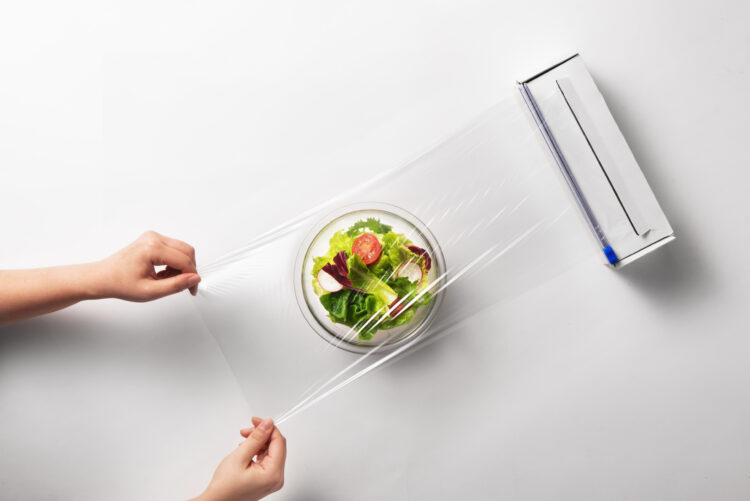
Plastic wrap is a daily staple in most kitchens, used for everything from covering leftovers to storing fresh produce. Because it is so ubiquitous, many people use it without considering potential health risks. However, experts warn that depending on the material and usage, certain substances can migrate from the wrap into food, especially when exposed to heat or grease.
The Risks of Covering Hot or Greasy Foods
A common mistake is pressing plastic wrap directly onto steaming hot food. Certain wrap materials can deform when exposed to high temperatures and oily components for extended periods. High-fat foods—such as fried dishes or oily stews—are particularly problematic, as they can accelerate the migration of chemicals from the wrap into the meal. Since heat-resistance standards vary significantly between products, it is vital to check if a wrap is specifically labeled "microwave-safe" and to adhere to its temperature limits.
Avoid Airtight Seals in the Microwave
Even when using microwave-safe wrap, it is best to avoid a completely airtight seal. If steam cannot escape, pressure builds up, which may cause the wrap to rupture or cling tightly to the food. For liquid-heavy dishes like soups, a tight seal also increases the risk of boiling over. To ensure safety, leave one side slightly open or cover the container loosely, and try to prevent the wrap from directly touching the surface of the food.
Moisture Traps and Bacterial Growth
Covering food before it has fully cooled can actually shorten its shelf life. Sealing warm food traps moisture inside, creating a humid environment where bacteria multiply more easily. This is especially true for foods with high liquid content, where condensation can lead to rapid spoilage. Journalistic standards for food safety suggest letting food cool sufficiently before sealing it for refrigerator storage.
The Dangers of Reusing Single-Use Wrap
Reusing plastic wrap is a significant hygiene concern. Even if the wrap appears clean, it often retains food oils, moisture, and bacteria. Wrap that has previously touched raw meat, fish, or unwashed vegetables poses a high risk of cross-contamination. Most plastic wraps are designed for single use; attempting to save material by reusing it can compromise safe food handling and overall kitchen hygiene.
Understanding Material Differences: PVC vs. PE
While most wraps look identical, they are manufactured from different materials such as PVC, PE, or PVDC, each with distinct heat resistance levels. Some are intended only for refrigerated storage, while others are engineered for the microwave. Experts advise consumers to move away from the habit of using wrap simply for convenience and to always check the packaging for specific usage instructions and heat-resistance labeling.