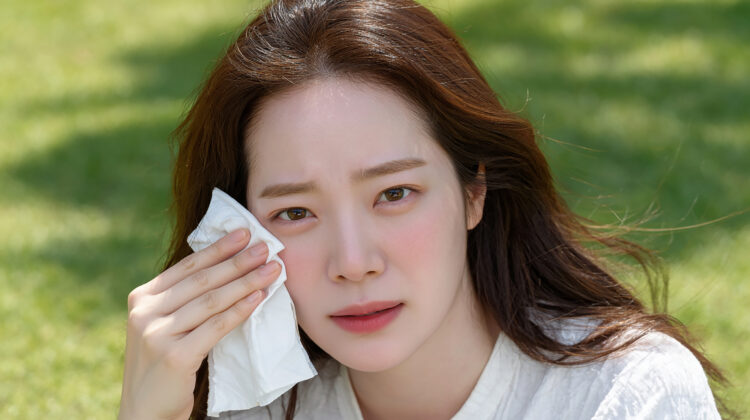
Sullyoon, a member of the K-pop group NMIXX, recently drew concern after she was seen tearing up during a high-profile public appearance. The incident occurred at the opening of the flagship store for the Chinese milk tea brand Chagee in Gangnam. As Sullyoon posed for the cameras, she suddenly began to cry, leading fans to speculate about ill-fitting contact lenses or chronic dry eye syndrome.
Sullyoon later addressed the moment via a fan communication platform, explaining that her desire for perfect photos led her to keep her eyes open for an extended period. "It was really windy, so my eyes watered," she clarified. While a "spring breeze" might seem like a minor culprit, the incident highlights how environmental factors and professional habits can impact ocular health.
Reflex Tearing: When Dry Eyes Overflow
Contrary to popular belief, tearing is not always a sign of over-hydration; it can be a reflexive response to external irritation. During a photo call, idols often suppress the urge to blink to ensure a clear shot. This lack of blinking causes the tear film to evaporate quickly. When combined with wind, the eye surface becomes vulnerable, triggering the lacrimal glands to release a sudden burst of "reflex tears" to protect the cornea.
In Sullyoon’s case, the reaction was likely a temporary response to wind and prolonged focus rather than an underlying medical condition. While fans often worry about contact lenses, reflex tearing can happen to anyone—with or without lenses—when the eye is hit head-on by wind or forced to remain open.
The Unique Challenges for Idols
K-pop idols face specific risks regarding eye fatigue. The frequent use of colored contact lenses, heavy eye makeup, and exposure to intense stage lighting can destabilize the tear film. Because contact lenses sit directly on the cornea, they can exacerbate irritation in windy or dry environments.
However, if symptoms like dryness, itching, or light sensitivity do not recur, the issue is typically environmental. In the spring, other factors such as pollen, fine dust, and yellow dust can also cause allergic conjunctivitis. If tearing is accompanied by redness or sticky discharge, a consultation with an ophthalmologist is recommended to differentiate between simple irritation and an allergy.
Tips for Maintaining Eye Health During Outdoor Activities
For those who spend significant time outdoors or in front of cameras, small habit changes can prevent irritation:
Conscious Blinking: When focused on a smartphone or a camera, make a deliberate effort to blink often to redistribute the tear film.
Strategic Positioning: If possible, avoid facing the wind directly. Standing with your back or side to the breeze can significantly reduce tear evaporation.
Proper Lubrication: Use artificial tears rather than saline to moisturize the eyes. It is best to apply these before heading outdoors to avoid smudging makeup or temporary blurred vision during an event.
Hygiene First: Avoid rubbing your eyes, which can damage the cornea or introduce bacteria. On days with heavy makeup—especially glitter or mascara—ensure thorough cleansing after the shoot to prevent particles from sticking to the lens or eyelid margin.
By managing the environment and maintaining a steady blink rate, it is possible to achieve flawless photos without the discomfort of sudden "springtime tears."