Nutrient-rich and versatile, in-season tomatoes are a staple in everything from salads to snacks. However, the nutritional benefits you reap depend heavily on how they are prepared and what they are paired with. Even with a high-quality tomato, the body’s response and nutrient absorption can vary significantly based on your plate's composition. Here is a look at the food combinations and habits that could be undermining your health goals.
Tomatoes and cucumbers: The timing of the cut matters
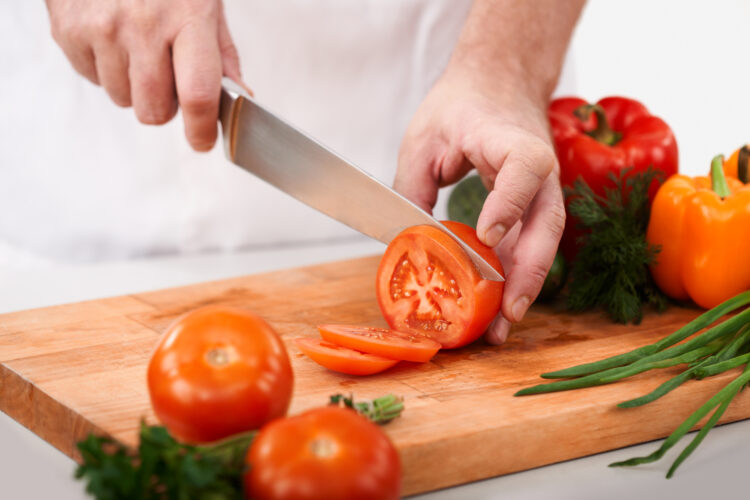
There is no inherent danger in eating tomatoes and cucumbers together, but the method of preparation is critical. Cucumbers contain enzymes that promote the oxidation of Vitamin C when exposed to air. If you finely chop both ingredients, mix them well in advance, and leave them in the refrigerator, the loss of Vitamin C increases over time. Additionally, moisture tends to seep out, compromising the texture. To minimize these losses, the key is to slice both ingredients immediately before serving and consume them promptly.
The sweet potato pairing: A surprising cause of bloating
Even when two healthy foods like sweet potatoes and tomatoes are combined, they can cause digestive discomfort if consumed in large quantities. The abundant fiber and starch in sweet potatoes promote fermentation in the gut; when paired with the natural acidity of tomatoes, this can lead to an increase in gas production. For those with sensitive digestion, eating this combination on an empty stomach often results in abdominal bloating or a heavy, uncomfortable sensation. A more practical approach is to moderate portion sizes and allow time between consuming these two foods.
Why sugar turns a health food into a dessert
Sprinkling sugar on tomatoes is a common way to mask their tartness, but it fundamentally alters their nutritional profile. While the vitamins and antioxidants do not vanish, the added sugar increases caloric intake and triggers larger blood sugar swings. If this becomes a frequent habit, it can interfere with weight management and metabolic health. Adapting to the tomato's natural sweetness is a better long-term strategy for those looking to maintain the food’s status as a "health food."
Tomatoes and vinegar: A recipe for heartburn
Combining tomatoes with vinegar—often in the form of a dressing—is common, but because both are highly acidic, they can irritate the stomach lining. Using heavy, acidic dressings on an empty stomach may trigger heartburn or acid reflux, particularly in individuals with gastritis or gastroesophageal reflux disease (GERD). While a small amount during a balanced meal is rarely an issue, it is best to avoid stacking multiple acidic ingredients if you are prone to digestive sensitivity.
The "Golden Combo" for maximizing nutrition
To truly unlock a tomato's potential, look to its signature compound: lycopene. This powerful antioxidant is fat-soluble, meaning it is absorbed far more efficiently when consumed with healthy fats.
Pair with Olive Oil: Drizzling tomatoes with olive oil or sautéing them is highly effective.
Apply Heat: Lightly cooking tomatoes softens their cell walls, releasing more nutrients than when eaten raw.
Prioritize Bioavailability: Research suggests that the bioavailability of lycopene is significantly higher after heating.
Ultimately, maximizing the benefits of tomatoes is less about avoiding specific foods and more about adopting preparation methods that help your body absorb their vital nutrients.