

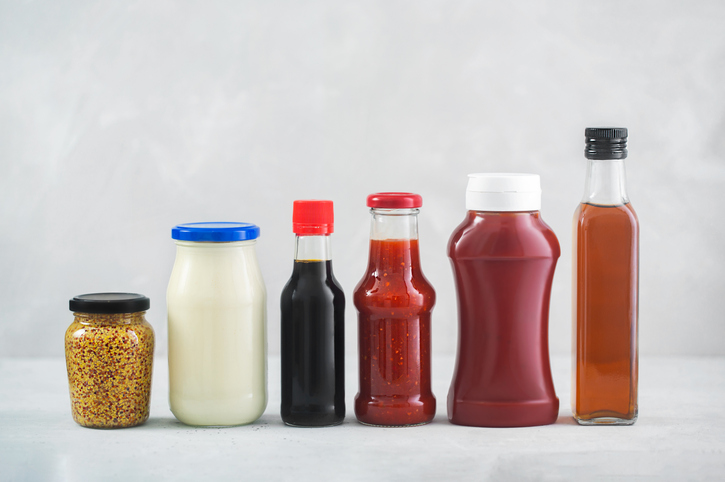
Many home cooks are uncertain about the best way to store common kitchen staples. Because fermented and salted products like vinegar and soy sauce are often perceived as shelf-stable, they are frequently left in the pantry. However, the shelf life and quality of certain condiments depend heavily on their environment. Understanding these specific requirements is key to maintaining both safety and flavor.
Soy Sauce: Refrigerate to Preserve Peak Freshness
Storage requirements vary significantly from one condiment to the next. For soy sauce, a staple in braises and dipping sauces, refrigeration is highly recommended after opening. According to Kikkoman, the world’s leading soy sauce manufacturer, the product begins to lose its freshness immediately upon exposure to air. To preserve the nuanced flavor profile and prevent oxidation, the refrigerator is the ideal environment.
For those who cook at home infrequently, refrigeration is even more critical. Expert culinary researchers suggest that if you use soy sauce sparingly, it should remain in the cold. Conversely, if it is a daily tabletop staple, it is more practical to pour a small amount into a dispenser for immediate use while keeping the main bottle chilled.
Vinegar: Room Temperature vs. Refrigeration
The storage of vinegar depends largely on its acidity and ingredients. Standard white vinegar, which contains 5–8% acetic acid, is naturally resistant to the growth of mold and bacteria. It can be safely stored at room temperature without losing its clarity or aroma, provided the lid is tightly sealed and the bottle is kept in a cool, dark place away from direct sunlight.
However, specialty vinegars like balsamic or apple cider vinegar—which contain natural grape concentrates or fruit pulps—are better suited for the refrigerator. Over time, these natural components can oxidize, leading to a darker color and a change in aroma. While they may still be safe to consume, refrigeration ensures the highest quality control.
Fermented Pastes: Guarding Against Air and Moisture
Traditional fermented pastes, such as Korean gochujang (red pepper paste) and doenjang (soybean paste), must be stored in the refrigerator. Leaving these products at room temperature can cause microorganisms to multiply rapidly, particularly in modern varieties produced without added preservatives. Refrigeration is essential to maintain their characteristic color and prevent the formation of off-flavors.
Hygienic use is also vital for these products. Gochujang, which has a high moisture and sugar content, is particularly susceptible to mold. To prevent contamination, never use utensils that have food residue or saliva on them, and ensure all spoons or ladles are completely dry. Furthermore, it is helpful to press the paste down to minimize the surface area exposed to air, as oxidation can cause the surface to dry out and darken.











