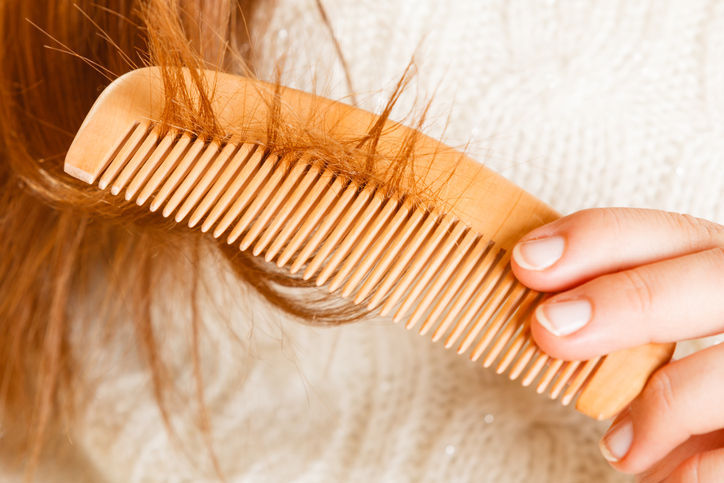
A hairbrush is an essential tool used daily, yet its cleanliness is frequently overlooked. Over time, a brush accumulates shed hair, skin flakes, dust, sebum, and residue from styling products. Brushing with a contaminated tool essentially spreads these impurities back onto the scalp, potentially leading to persistent dermatological issues. Understanding how to maintain a hairbrush based on its material is vital for scalp health.
The Link Between Dirty Brushes and Scalp Conditions
Because a hairbrush comes into direct contact with the skin, it acts as a primary vehicle for transferring contaminants. This is particularly true for individuals who brush frequently—before and after washing or after applying hairspray and oils—as these products accelerate the buildup of debris.
When bacteria and residue clog the scalp’s pores, inflammation and small bumps can develop. If you experience persistent itching even after shampooing, or if your hair becomes oily unusually fast, scalp inflammation may be the culprit. Furthermore, continuing to use a dirty brush when the scalp is already irritated or has minor abrasions can lead to more serious conditions, such as folliculitis.
Cleaning Techniques and Frequency
To maintain a hygienic brush, start by removing tangled hair using a toothpick or scissors. The cleaning process itself mimics a standard hair-washing routine:
Soak: Dissolve shampoo or baking soda in lukewarm water to create a lather. Soak the brush for 10 to 20 minutes to loosen oils and product buildup.
Scrub: Gently clean between the bristles using a dedicated toothbrush to reach the base of the brush.
Rinse: Thoroughly rinse the brush under cool, running water.
As a general rule, hairbrushes should be cleaned at least once every two weeks. However, for those who use styling products daily, a weekly cleaning is recommended to prevent excessive accumulation.
Material-Specific Care and Drying
The construction of the brush dictates how it should be handled. Wooden and natural-bristle brushes should never be soaked in water, as these materials are highly porous. Excessive moisture can cause wood to rot and natural bristles to warp, lose their shape, or fall out. For these types, a quick scrub and immediate rinse are best.
Regardless of the material, proper drying is the final and most important step. After washing, wipe away excess moisture and place the brush in a well-ventilated, shaded area to dry completely. Storing a damp brush in a closed drawer creates an ideal environment for bacteria to multiply. Additionally, avoid drying brushes in direct sunlight, as UV radiation can cause bristles to become brittle or discolored.