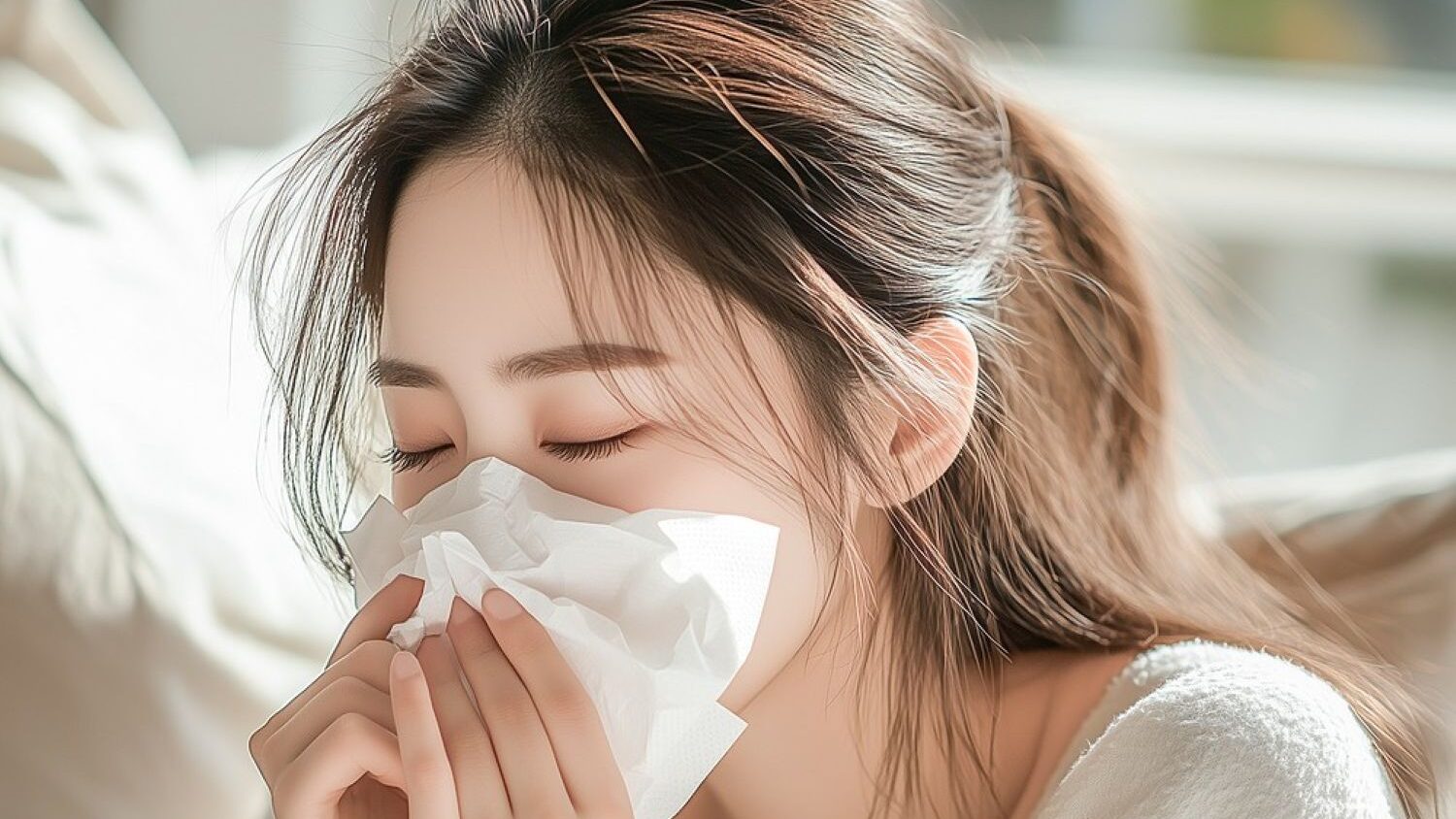
As spring temperatures climb, many people find themselves battling persistent sneezing and a runny nose. The combination of increased pollen and fine dust levels during this season frequently aggravates allergic rhinitis. Furthermore, large fluctuations between daytime and nighttime temperatures, combined with drier air, can make the nasal lining significantly more sensitive.
While medication is a common solution, experts emphasize that managing daily habits is equally important in mitigating symptoms and preventing flare-ups.
The Power of Nasal Irrigation After Outdoor Activity
The most critical step in managing springtime rhinitis is the immediate removal of external irritants. Pollen, dust, and urban pollutants can lodge in the nasal passages; if they are not rinsed away promptly, they can cause ongoing inflammation.
Nasal irrigation using a normal saline solution effectively flushes out these allergy-triggering substances. Even performing this once before bed can significantly reduce nighttime congestion and morning sneezing.
Strategic Ventilation: Avoid the Early Morning Window
While circulating fresh air is generally healthy, the timing of ventilation is vital for allergy sufferers. In the spring, pollen concentrations are typically at their highest between 5 a.m. and 10 a.m. Opening windows during this window can allow a surge of allergens into the home, worsening symptoms. Instead, it is best to ventilate briefly during the midday or afternoon hours, ideally when fine-dust levels are at their lowest.
Hygiene Beyond the Face: Hair and Clothing
Pollen is a tenacious allergen that clings easily to skin, clothing, and hair. If you only wash your face after being outdoors, leftover allergens on your hair can transfer to your pillow and bedding, causing symptoms to persist throughout the night. To break this cycle, experts recommend a full shower and a change of clothes immediately after returning home from outdoor activities.
Humidity Control to Protect the Nasal Mucosa
When indoor air is dry, the nasal lining becomes brittle and more susceptible to irritants. Maintaining an indoor humidity level between 40% and 60% helps protect the mucosa and its natural filtering function. While humidifiers or damp towels can help achieve this balance, it is important to avoid excessive humidity, which can encourage the growth of mold—another common allergen.
Masks: The Most Reliable First-Line Defense
The simplest and most effective way to reduce the inhalation of pollen and fine dust is to wear a mask while outdoors. This is especially crucial on windy days or when local pollen counts are high. With the wide availability of thin, breathable functional masks, maintaining this barrier has become a practical and low-effort way to manage respiratory health during the spring transition.