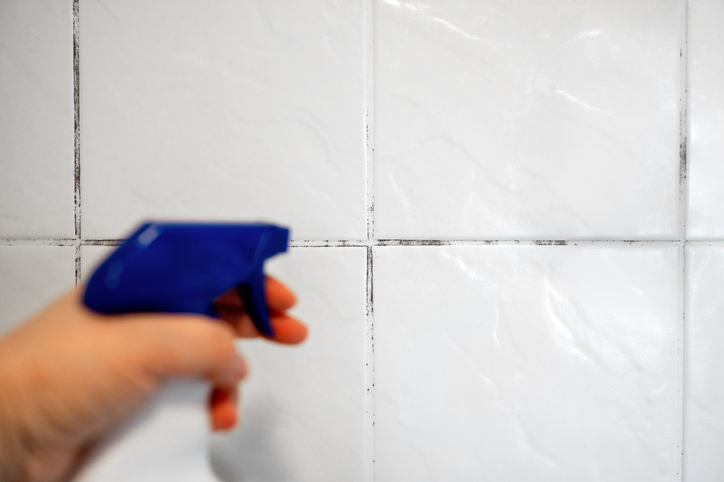
Bathrooms are notoriously difficult to maintain due to the constant humidity from showers and hair washing. If left unchecked, mold and bacteria multiply rapidly, leading to unpleasant odors from drains and toilets. However, you don’t always need specialized chemical cleaners to achieve a deep clean. Surprisingly effective solutions are often sitting right in your freezer, medicine cabinet, or pantry.
Repurposing Ice Packs as Deodorizers
Many households have a surplus of gel ice packs from food deliveries sitting unused in the freezer. If these packs feel squishy, they likely contain a superabsorbent polymer—a material capable of absorbing both moisture and fragrance.
To create a custom air freshener, simply cut open the ice pack and transfer the gel into a glass container. Add a few drops of your favorite perfume or essential oil to the mix. This DIY deodorizer is perfect for placing on a toilet tank or inside a shoe cabinet, as the scent lasts significantly longer than traditional sprays.
Note: When the gel eventually dries out, dispose of it in a standard trash bag. Never pour it down the drain, as it can cause severe pipe clogs and environmental pollution.
Using 3% Hydrogen Peroxide for Pristine Grout
The grout between tiles is the most common site for mold growth because its porous surface traps soap residue, oils, and dead skin cells. To clean deep within these pores, 3% hydrogen peroxide is remarkably effective. It is important to stick to a 3% concentration, as higher levels may bleach or discolor the grout.
When applied, the hydrogen peroxide penetrates the grout and creates an effervescent reaction. These bubbles physically break down mold and stains. Unlike bleach, it is non-toxic—breaking down into only water and oxygen—and does not damage tile coatings.
How to Apply:
Thoroughly dry the tiles and grout with a towel.
Spray undiluted 3% hydrogen peroxide onto the grout.
Cover the area with a paper towel to prevent evaporation and let it sit for 20–30 minutes.
Scrub with a cleaning brush and rinse with water.
Banishing Mirror Spots with Vinegar and Potatoes
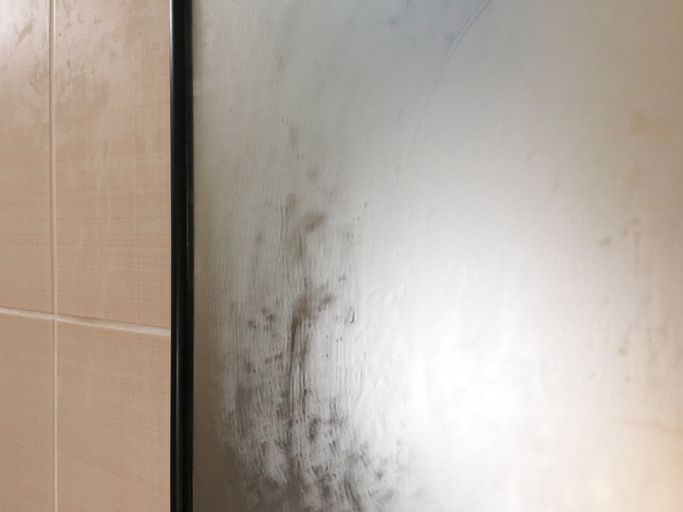
The stubborn white spots on bathroom mirrors are typically limescale deposits from tap water. Because limescale is alkaline, neutral detergents often fail to remove it.
To break down these deposits, use the acidity of vinegar. Mix vinegar and water in a 1:1 ratio in a spray bottle, apply it to the mirror, and let it sit for 2–3 minutes before wiping with a dry towel.
To prevent future spots and fogging, you can apply a natural starch coating using a potato. Simply rub the cut side of a raw potato over a clean mirror. Once a faint white film of starch appears, buff it away with a dry cloth. This starch layer acts as a protective barrier that repels oils and reduces the amount of steam that clings to the glass.