


“Plastic surgery fails the moment you follow trends.” This recent warning from singer Baek Ji-young on her YouTube channel has sparked significant discussion. Reflecting on her own experiences, she cautioned that chasing current fads almost guarantees an "awkward" appearance in the future. As a plastic surgeon, I find this confession both honest and vital; I frequently treat patients who are suffering the consequences of prioritizing what is "hot" over what is medically sound.
The Anatomy of a Trend
Trends in plastic surgery often follow a predictable pattern. A celebrity’s transformation goes viral, before-and-after photos saturate social media, and aggressive hospital promotions follow. For clinics, "trendy" surgeries are lucrative; they allow providers to command higher fees and showcase unique technical skills to stand out in a fiercely competitive market.
However, the standard for successful surgery should never be popularity. Instead, it must be based on whether the results remain stable over time, whether they are predictable, and—most importantly—whether the procedure actually addresses the specific anatomical needs of the individual patient.
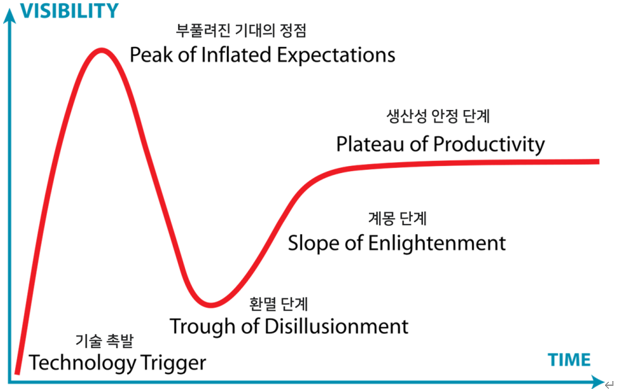
The Dangers of the ‘Hype Cycle’
The evolution of cosmetic procedures often mirrors the "Hype Cycle" seen in emerging technologies. When a new method appears, public expectation skyrockets, creating a massive "boom." This is where the danger begins. Once a surgery starts trending, its "indications"—the specific conditions under which a surgery should be performed—are often recklessly expanded.
A procedure that initially showed excellent results on a specific face type is suddenly applied to everyone, regardless of their unique bone structure or skin elasticity. This leads to the "uncanny valley" effect: the unnatural, overdone look that becomes the hallmark of a faded trend.
When Fads Fade into Side Effects
As these procedures are performed inappropriately on unsuitable candidates, side effects inevitably increase. Eventually, disappointing long-term results emerge, and the public’s perception shifts. The "trendy" look solidifies into a dated, "obviously operated-on" appearance.
We have seen this cycle repeat many times. There was a period when facial fat grafting exploded in popularity, leading to an era of excessively inflated foreheads and cheeks. Later, thread lifting was marketed as a miracle "simple" anti-aging fix. Both received immense initial interest, but as their limitations and long-term drawbacks became clear, their frequency in clinical practice dropped significantly.
Structural Validity vs. Fleeting Popularity
Conversely, some procedures survived their initial "boom" to become staples of modern surgery. For instance, lower eyelid fat repositioning gained widespread fame through celebrity endorsements but continues to be performed steadily today. This longevity is not due to a trend, but because the surgery is rooted in structural validity—it solves a specific anatomical problem with long-term stability.
Ultimately, the excellence of any surgical method is revealed not during its peak popularity, but after the hype has subsided. A truly "good" surgery is one that remains medically appropriate long after the trend has passed. Before going under the knife, remember that the goal of plastic surgery is to solve your specific problem, not to replicate a fleeting moment in pop culture.











