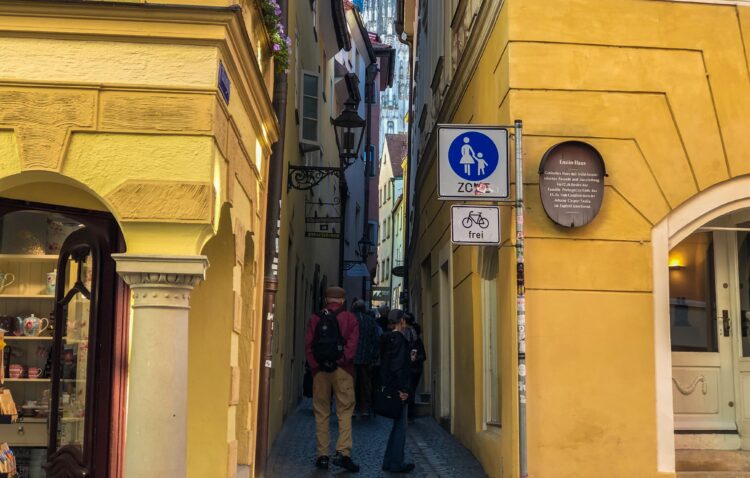
You may have experienced it: that moment of a deeper, longer breath when stepping from a wide, bustling thoroughfare into a quiet side street. It isn’t just the sudden drop in decibels. According to environmental psychology, the sense of stability found in a narrow but unobstructed path is far from coincidental.
The secret lies in spatial structure rather than sheer size. While an excessively wide area can leave a person feeling uncomfortably exposed, a completely enclosed space often triggers anxiety. In contrast, a path flanked by walls but open at the front and back provides a "Goldilocks" zone of urban design. It offers a sense of protection and situational control simultaneously, effectively neutralizing perceived environmental threats.
This phenomenon is best explained by Prospect-Refuge Theory. The theory suggests that humans feel most secure when they have both a "prospect"—a clear view to observe their surroundings—and a "refuge"—a place to hide or withdraw their body. Alleys are the architectural embodiment of this balance, providing sturdy walls for cover and a linear vantage point to monitor what lies ahead.
Recent data supports this instinct. A 2024 study published in the Journal of Environmental Psychology by Gaby N. Akcelik’s research team at the University of Chicago quantified these spatial characteristics. The findings confirmed that urban environments with strong "refuge" traits are consistently rated as more comfortable. This explains why a narrow, clear alleyway feels like a psychological sanctuary.
Because these spaces naturally encourage people to linger, many cities have embraced narrow paths as premier attractions rather than inconveniences. In Italy, the town of Ripatransone boasts an alleyway just 40 cm wide that draws tourists from around the world. Similarly, Kyoto, Japan, maintains approximately 13,000 residential roads less than four meters wide. These "human-scale" spaces prioritize the walking speed of people over the flow of vehicular traffic.
Similar examples are staples of the Korean urban landscape. In neighborhoods like Bukchon Hanok Village or Ikseon-dong, the combination of traditional eaves and winding paths creates a cozy, "wrapped" sensation for pedestrians while keeping the line of sight clear. These characteristics become even more pronounced in areas where cars are restricted.
As modern cities grow, we are increasingly exposed to sprawling infrastructure. While six-to-eight-lane boulevards maximize efficiency, they also contribute to psychological fatigue. Alleys do the opposite; they dictate a slower pace and invite observation, turning a simple walk into a restorative act.
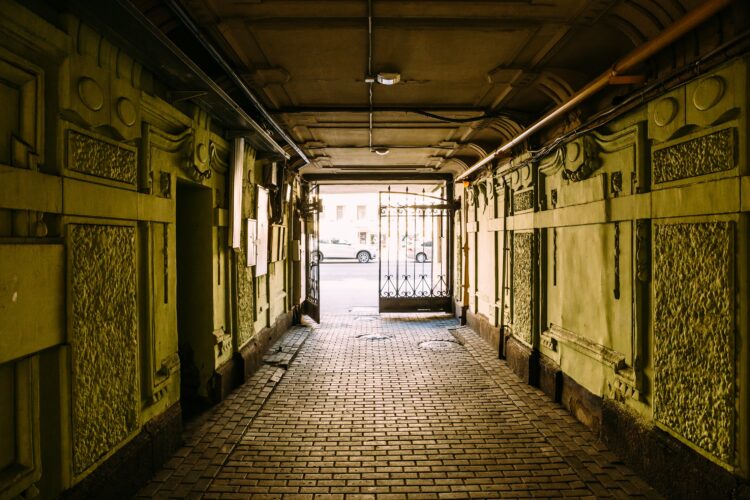
With winter fading and daytime temperatures climbing toward 15°C, there is no need for a grand trek to find peace. Simply stepping one block away from the main road near your home can be enough. When you encounter a narrow, unobstructed path that seems to wrap around you, you may feel your physical tension release before you even realize why.
However, context matters. At night, limited visibility can flip the script, turning a refuge into a source of anxiety. For the best psychological "reset," a daytime stroll is ideal—it is the time when the brain most easily recognizes these hidden corridors as safe, restorative havens.