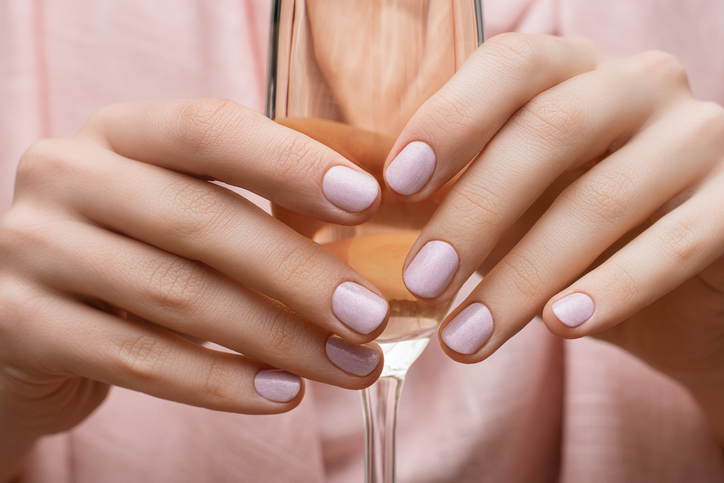
Research suggests that a person’s relationship with alcohol may be written in the palm of their hand—specifically in the length of their fingers. According to a study published in the American Journal of Human Biology, there is a documented correlation between excessive alcohol consumption and a "digit ratio" where the ring finger is significantly longer than the index finger. This biological marker, often referred to as the 2D:4D ratio, is increasingly viewed by scientists as a window into a person’s prenatal development and future behavioral tendencies.
A research team from Swansea University in the UK analyzed alcohol consumption patterns among 258 participants to understand why men typically consume more alcohol and face higher mortality rates from alcohol abuse than women. The researchers concluded that these patterns are heavily influenced by sex hormones, such as testosterone and estrogen. The relative length of the second finger (index finger) compared to the fourth finger (ring finger) serves as a reliable indicator of the testosterone levels a fetus was exposed to in the womb. Individuals with alcohol dependence frequently possess a much longer fourth finger, suggesting high prenatal testosterone exposure relative to estrogen—a correlation that remains stronger in men than in women.
The biological root of this phenomenon begins during fetal development. While male fetuses secrete testosterone from their testes, both male and female fetuses receive varying amounts of testosterone and estrogen from the mother’s bloodstream. Typically, males are exposed to higher testosterone levels during this stage, which triggers structural changes in the brain and other organs. These hormonal effects become even more pronounced during puberty. Because the development of finger length is also tied to these specific hormonal balances, a longer ring finger becomes a physical record of higher testosterone and lower estrogen levels during gestation.
The Swansea University team noted that their findings align with previous studies conducted across Europe and Asia, which also identified a link between a longer ring finger and alcohol dependence. However, this new research highlights that the phenomenon is not limited to those with clinical addiction; the correlation between digit ratios and drinking habits exists even among casual drinkers. By understanding these early biological markers, researchers hope to gain better insight into the complex intersection of hormones, genetics, and the risk of substance abuse.